





MagnaCut: Everything You Need to Know in 2026


In this Article
- What is MagnaCut?
- How Good is MagnaCut, Really?
- Is MagnaCut Expensive?
- Is MagnaCut Stainless?
- Is MagnaCut Easy to Sharpen?
- Is MagnaCut the "Best" Blade Steel?
- How does MagnaCut compare to MagnaMax?
- Where is MagnaCut Made?
- Why Buy a MagnaCut Knife?
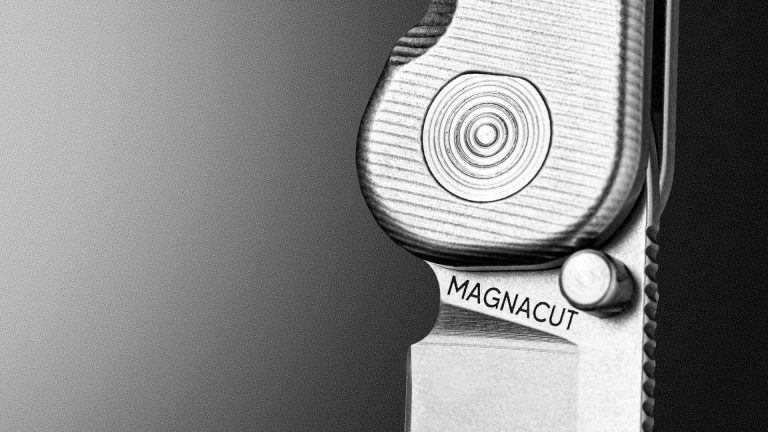
MagnaCut took the knife world by storm when it was revealed in 2021. It was the dream steel manifest in reality, the impossible made real. Every knifemaker wanted some.
Today, MagnaCut remains a hot commodity, and the wizardry behind its revolutionary genesis is less arcane.
We know why MagnaCut is awesome. We know the recipe Dr. Larrin Thomas, the mind behind knifesteelnerds.com, used to make it, and we know why it works.
Most significantly, we’ve put it to the test and know how it performs. We’re not alone: countless others have put MagnaCut through its paces.
It isn’t the ultimate steel (there’s no such thing), but it’s a strong contender.
And we’re here to tell you all about it.
What is MagnaCut?
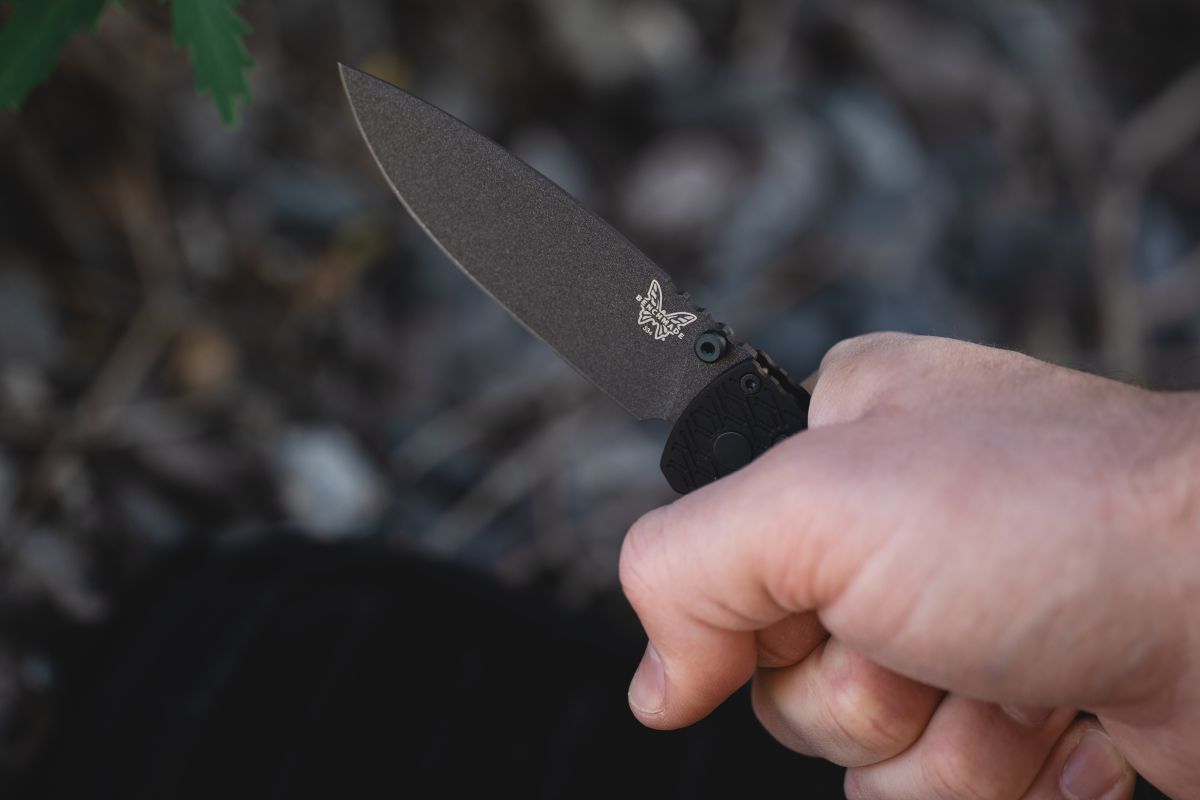
CPM MagnaCut is a steel that offers admirable performance in all categories: It has great toughness, great edge retention, and exceptional corrosion resistance.
Many knife steels settle for a tradeoff, like more toughness at the expense of wear resistance. But Dr. Thomas employed some clever tricks to make MagnaCut score high in all categories. (More on those "tricks" below.)
It has the toughness of CPM 4V (a hard-use steel found on high-end fixed blades) with the stainlessness of CPM 20CV (a tried-and-true premium steel used primarily in folders).
Impressive indeed!
How Good is MagnaCut, Really?
It’s great. Here’s why:
As alluded to above, there are three main features to a blade steel:
- Edge retention (how long it stays sharp for)
- Toughness (how resistant it is to chipping/breaking)
- Corrosion resistance (how likely it is to rust)
Frustratingly, Nature herself has dictated that it’s impossible to have 100% in each category. Hard steels hold their edge but chip and crack more easily. Tough steels don’t crack but are more prone to rust and will dull faster.
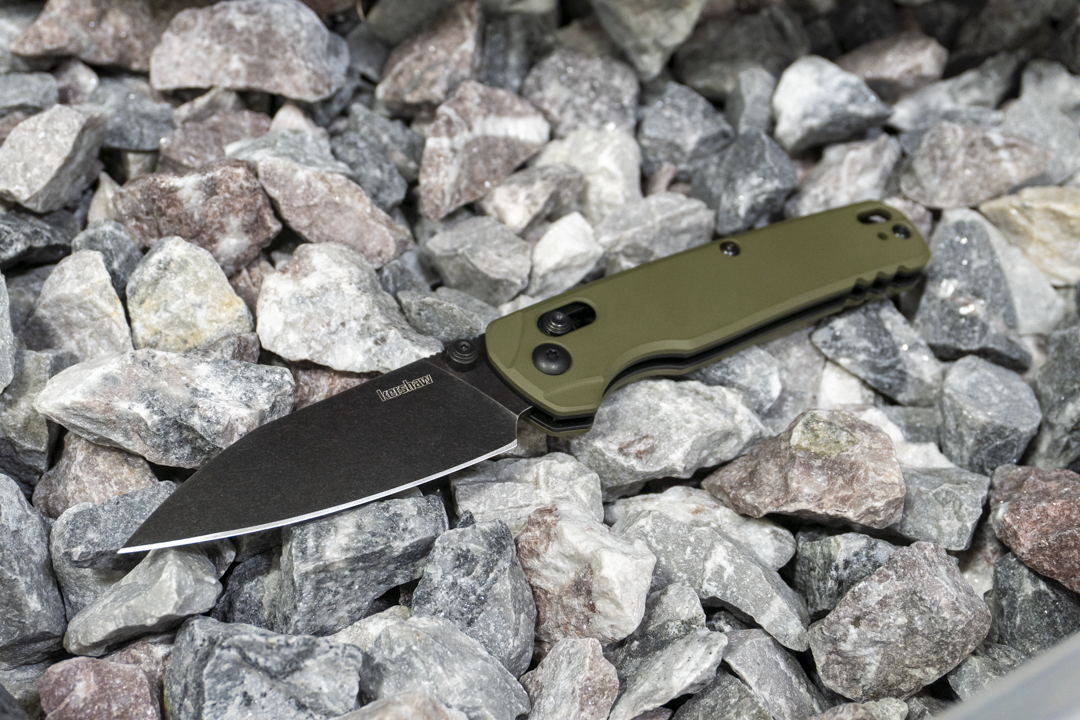
MagnaCut is special because it scores high in all three aspects, with special excellence in corrosion resistance. Its high marks make it a perfect fit for everyday folders and beefy fixed blades alike.
MagnaCut isn’t just good for knife users: knifemakers love it, too, for its fine, consistent grain, which makes grinding and polishing easier.
Is MagnaCut Expensive?
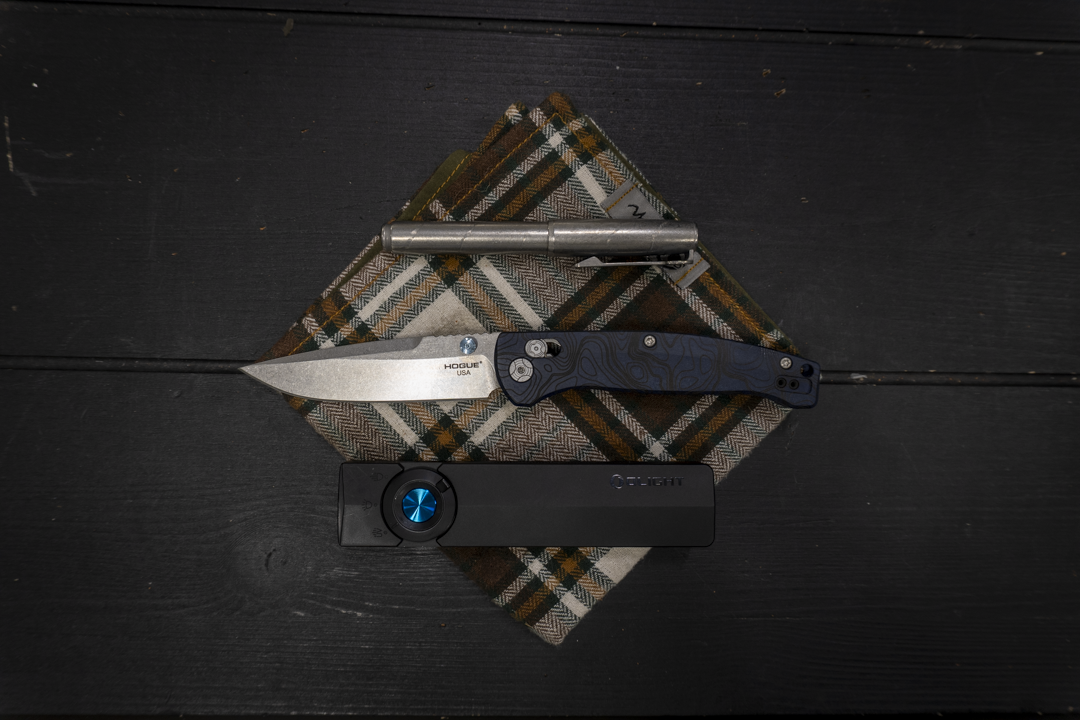
MagnaCut is more expensive than many blade steels, but not more expensive than other powder steels (like 20CV and S30V).
Most of a knife’s price is determined by design, brand, maker, country of origin, size, and mechanism. Blade steel is a factor, but less of one than you might think.
This is why you could pay over $500 or under $50 for knives with the same blade steel.
Even so, I do enjoy MagnaCut, and I’m happy to pay a small premium for it. To me, it’s worth it.
Is MagnaCut Stainless?
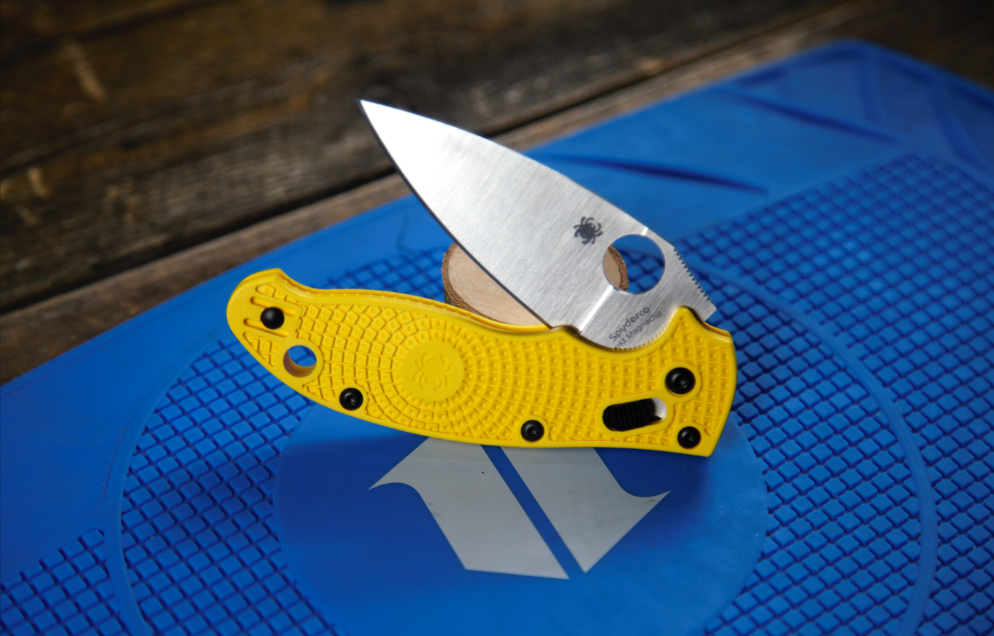
Chromium is the element responsible for stainlessness in steel. It protects a blade from rust by forming a micro-barrier between the iron in the steel and the oxygen in the air.
But not all chromium in a steel does its job: a portion of it combines with carbon to form carbides (which you can learn more about in our Super Steel article). Chromium carbides don’t contribute toward stainlessness.
To ensure the needed 10-12% chromium "shows up to work," conventional stainless steels add up to 15-20% chromium; that way, when a bunch of it plays hooky, the blade still won’t rust easily.
MagnaCut has only 10.7% chromium, but you can bet your boots that you’ll see less rust on your MagnaCut blade than on your other "stainless" blades.
The reason why is the real magic behind MagnaCut. It uses its 10.7% chromium almost perfectly—almost all of it goes toward keeping the blade rust-free (goodbye chromium carbides).
How does it do this? Simply put, it has vanadium and niobium form the carbides instead. If this interests you, you can read all about it from Dr. Thomas at Knifesteelnerds.com.
In short, Dr. Thomas figured out how to make MagnaCut about as stainless as stainless gets, despite its lower chromium content.
Is MagnaCut Easy to Sharpen?
MagnaCut, like many powder steels, can be a bit challenging to sharpen—if you’re using conventional whetstones.
MagnaCut’s high wear resistance means you’ll have to spend a long time holding your knife at a very precise angle to make it sharp. Which can take a lot of practice.
"Easy mode" for sharpening MagnaCut is to use a diamond plate. Because diamonds are extremely hard, it removes material from the edge easier and faster. Even the hardest knife steel is like butter compared to the hardness of diamond.
Some of the best advice I can give new knife enthusiasts is to invest in a good diamond sharpener. You won’t regret it.
If you’re looking for something that’s affordable, portable, and helps you maintain a consistent angle, look no further than the Work Sharp Guided Field Sharpener.
If you want to take your sharpening to the next level, the Work Sharp Pro PA will make quick work of a dull edge, whether it’s MagnaCut or any other steel. It’s easy to use and yields exceptional results!
Is MagnaCut the "Best" Blade Steel?
No, because there’s no such thing as a "best" blade steel.
CPM MagnaCut is a very good blade steel, but it will be outshone by some steels in other areas:
- CPM S90V has superior edge retention.
- CPM 3V has superior toughness.
- Vanax has superior corrosion resistance.
But MagnaCut is a very good steel that balances edge retention, toughness, and corrosion resistance extremely well. Its balanced performance makes it a safe choice for all kinds of knives.
If I could only have one knife for the rest of my life, I’d want something with MagnaCut.
But that’s just me. There are people smarter than me who would choose other steels.
If you’d like to see how MagnaCut fairs against other steels, check out our Knife Steel Guide to compare the stats.
How does MagnaCut compare to MagnaMax?
First, to clear up any confusion, MagnaMax steel is not a "maxed-out" version of MagnaCut. Though MagnaMax is the shiny new toy in knifemaker town, it wasn’t made to replace MagnaCut.
The main difference between MagnaCut and MagnaMax is that the former was designed to be a "balanced" steel, and the latter has a focus on edge retention. Both steels are super stainless and have generally high marks across the board, but they serve different functions.
To learn more, check out our MagnaMax – Everything You Need to Know article, or watch this video:
Where is MagnaCut Made?
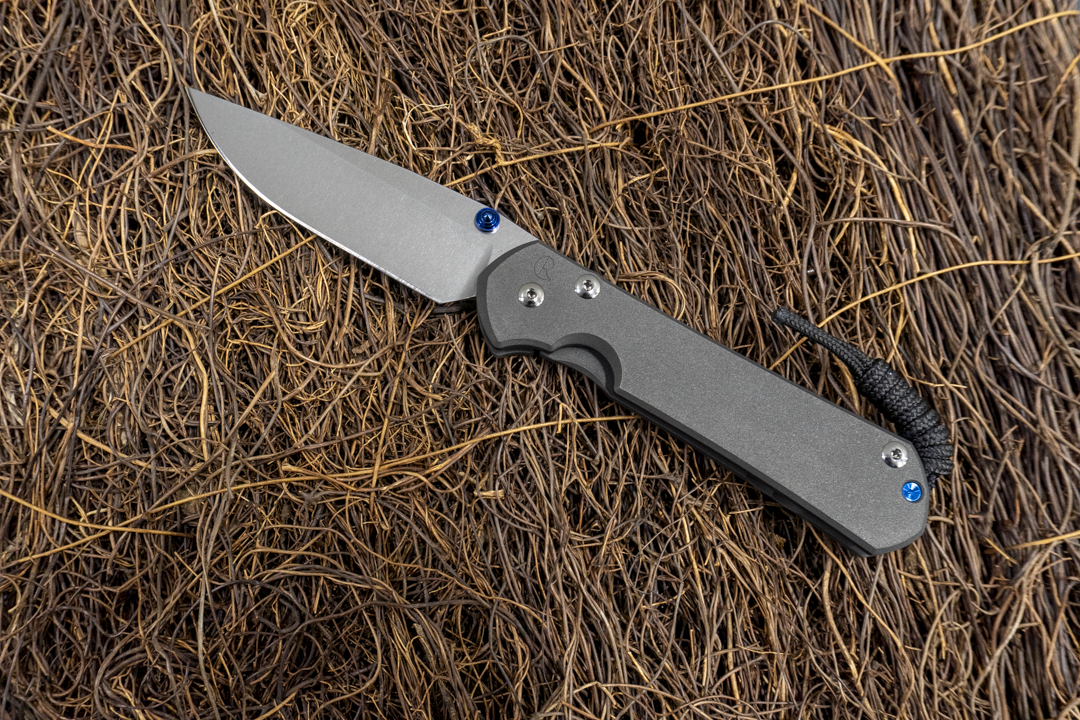
MagnaCut was originally made by Crucible Industries in Syracuse, New York, USA. Unfortunately, in 2025, Crucible filed for bankruptcy and closed its doors.
At present, MagnaCut is being produced in Sweden by Erasteel, which purchased all of Crucible’s intellectual property and trademarks.
If your curious how Crucible’s MagnaCut compares to Erasteel’s, we recommend you read Dr. Thomas’s findings in his Testing Erasteel MagnaCut (vs Crucible Original) article.
Why Buy a MagnaCut Knife?
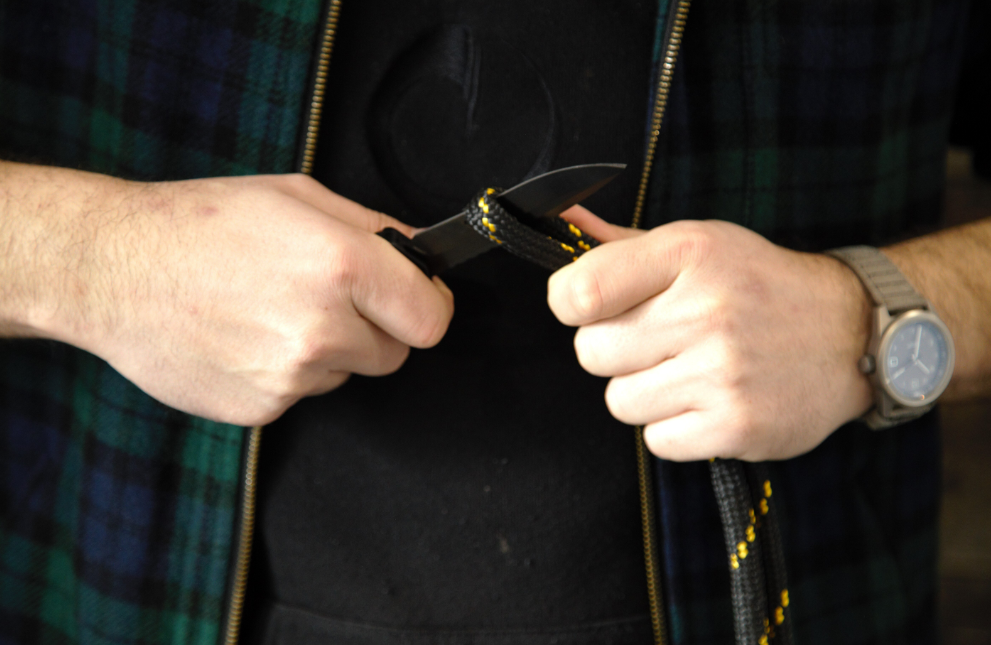
You can count on a MagnaCut blade to stay sharp for a long time, hold up to hard use, and remain rust-free while doing it.
If you’re looking for a a good steel type for your first (or hundredth) knife, MagnaCut is an easy recommendation.
It’s not a perfect steel (if there even is one), but it’s a dang good one—and that’s a fact. If you think it will fit your needs, check out the MagnaCut knives we have for sale! From OTFs to fixed blades to folders, you’re bound to find something you love.


 Copyright © 2026 Blade HQ. All rights reserved