What Is Micarta


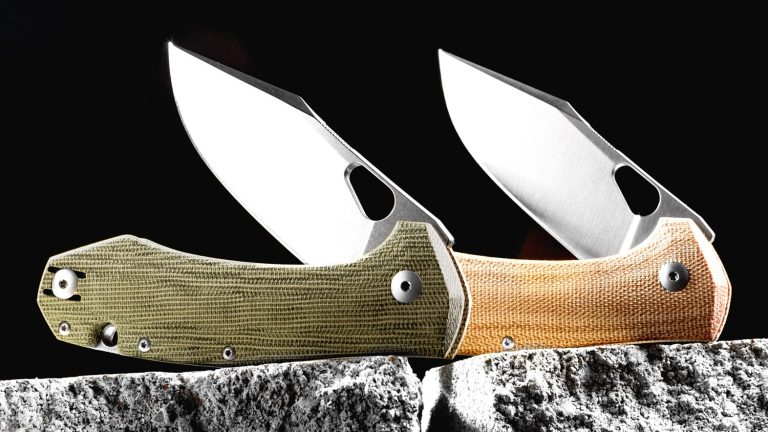
Of all the knife handle materials I own, Micarta is the one that by far the least non-initiated knife people have heard of. That’s a crying shame if you ask me! Micarta is awesome, and I think the world ought to know about it. To that end, I’m writing this article, and I hope that by the time it’s over, you’ll be as excited about micarta as I am!
What is Micarta?
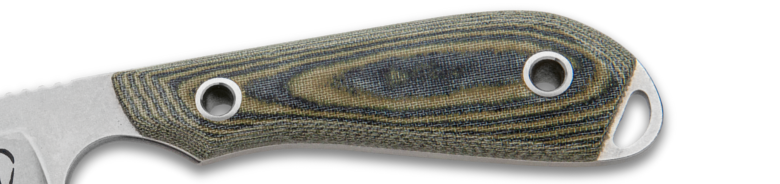
Micarta is a composite made by laminating fibrous materials with a hardening resin. That sounds complicated, but it really isn’t. In most cases you see with knives, that means layers of fabric soaked in epoxy and left to cure. It feels warm and clothy, kind of like rough-sanded wood or like jeans with a phone underneath.
You should also be aware that Micarta is an active trademark owned by Norplex-Micarta. While most of the what you see around is genuine, circled-R Micarta, there are a lot of laminates out there that use the name erroneously. Even here on Blade HQ (Gasp)! If you’re an IP attorney from Norplex-Micarta, this article is also for you. We’re trying to set the record straight, so please don’t sue!
What Micarta is NOT
There are many other laminates that have similar manufacturing and appearance to Micarta that are not.
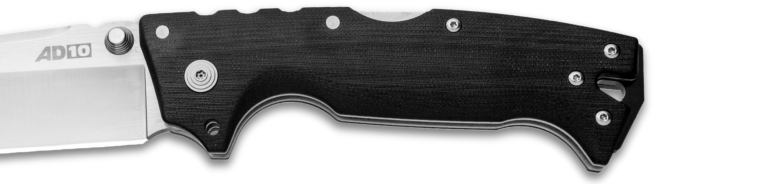
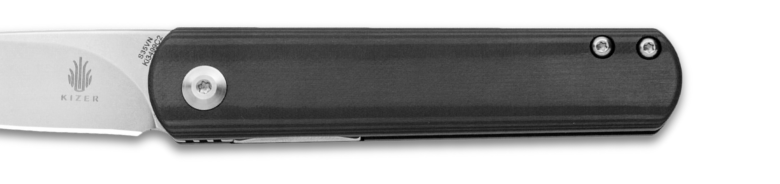
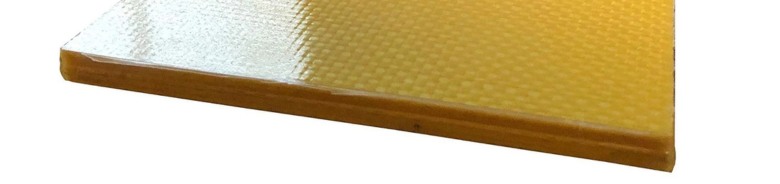
- G-10 – It’s made the same way, but instead of fabrics, it uses fiberglass sheeting and a special resin. It’s a very interesting material and is probably worthy of its own article someday.
- Unidirectional carbon fiber – Looks similar, but it’s made with carbon fibers and a special resin. Cool, but different in properties!
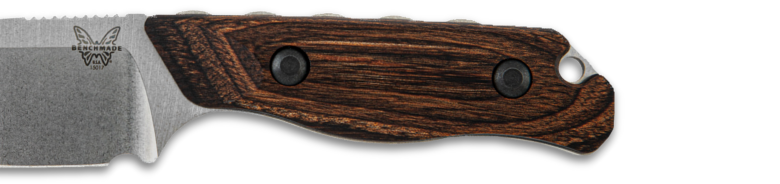
- Wood – Especially when layered or stabilized with colored resin, wood can look like Micarta and vice versa.
- Kevlar Plate – This is the stuff some bulletproof vests are made with, and it looks a lot like Micarta, but it’s different in materials and properties. And since I know you’re curious, yes, Micarta does have surprisingly decent bullet-resistant performance (but I certainly wouldn’t trust it).
But if you find one of these materials in a knife you like, use it. All of them make a great handle, just with different performance!
Where did Micarta come from?
This is a really long story that involves the industrial revolution, a dispute over electrical current, a dead elephant, and two world wars. It could make a really cool book, honestly. But I’ll trim it to a three-paragraph TL;DR. Here you go! You’re welcome!
In the early 1900’s, electricity was spreading fast, and experts debated whether alternating current (AC) or direct current (DC) was best for the grid. Thomas Edison, DC’s biggest proponent, staged public animal electrocutions to show the dangers of AC. But in the end, AC won out thanks to visionary Nikola Tesla and inventor George Westinghouse and is now used in power grids worldwide.
But Edison was right about one thing: AC is DANGEROUS. That’s why it was used in the electric chair and in the electrocution of Topsy the Elephant a decade later (in Edison’s defense, he wasn’t involved in either). To make power safe, someone needed to come up with a sturdy, simple, customizable, and portable electrical insulator.
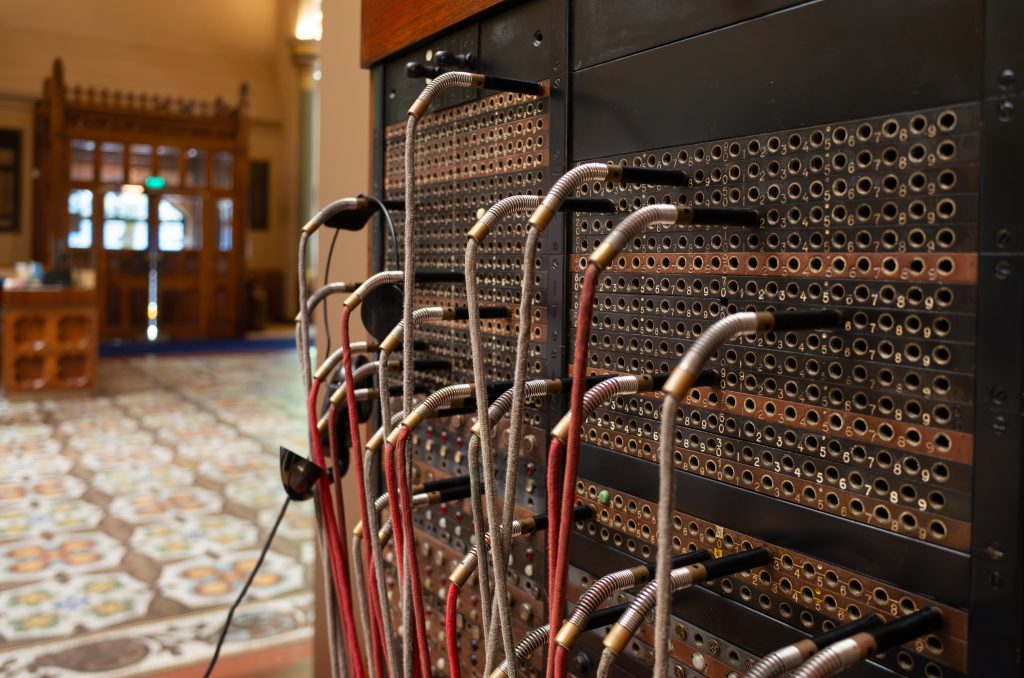
For that purpose, Westinghouse Electric developed Micarta. With nothing more than a roll of fabric and a bucket of resin, a low-skill worker could safely insulate a deadly hazard into a meeting point for neighborhood kids (you know, the steel transformer box on the park strip?). Genius!
During the World Wars, Micarta was often used as a replacement for metal to save material for tanks and planes. It’s unclear who was the first to use it on knives. The oldest example I can find is the spacer in the guard on the Buck 119. But wherever it started, Micarta’s comfortable texture has made it a staple in knives, so much so that when you google "Micarta," you get more knife stuff than electrical insulation stuff. I call that a win!
Why Choose a Micarta Handle?
- It’s very comfy in the hand. Its gentle texture is pleasing to touch and plenty grippy.
- It looks awesome. The layers look kind of like wood on a cross-section, but it comes in earthier colors and takes a lovely patina over time.
- It loves water. Water makes many handle materials slippery, but not Micarta. The outermost fibers swell up when wet and make the handle even grippier!
Why You Might NOT Want a Micarta Handle
- Changes in humidity and temperature can make Micarta warp or crack, especially when thin. On folders, this can seize lockbars and cause other problems. On fixed blades, scales are thicker and bolted to a piece of steel, so it’s less of an issue.
- Micarta can absorb water. While I’ve never experienced this, I’ve heard horror stories of people not letting their Micarta handle dry, and it start growing mold. Gross! That’s a big reason you don’t see Micarta on kitchen knives.
- Micarta dust is dangerous to breathe. If you’re a knifemaker, you should be prepared with ventilation and a respirator before machining, cutting, or filing Micarta. Don’t take my word for it, ask your pulmonologist. And if you don’t have a pulmonologist, I know a great way for you to need one!
How to Care for Micarta Handles
Micarta is a very resilient material, so you don’t need to do much.
- If it’s too dirty for your liking, give it a good scrub with a brush and warm, soapy water and it will look brand-new in no time.
- Let it dry completely before storing it. Be careful, it might look dry before it fully is!
- If it’s looking a little bone-dry, either take it out and carve with it to infuse it with hand oils or give it a quick coat of mineral oil or wax. That will prevent over-drying, cracking, and warping.
Types of Micarta
This paragraph is for those IP lawyers I shouted out earlier: I fully understand that Micarta is a brand name, and there aren’t "types" of it – there is just Micarta and not Micarta. But below, you will find some of the varieties of laminates commonly found in knives. Yes, many of them misappropriate the trademark, but I have keywords to rank for!
Canvas, Linen, Burlap, [OTHER MATERIAL] Micarta
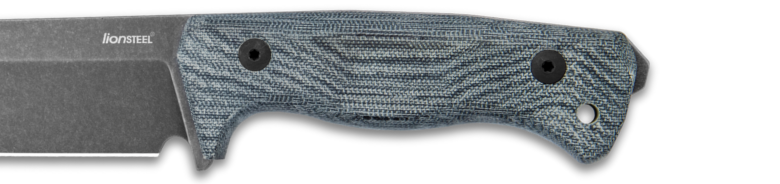
These are made just like I described above, just with whatever material is in the name being the fibrous filler (the pros call it a substrate). The courser the substrate, the courser the micarta.
G-Carta, Damascus Micarta
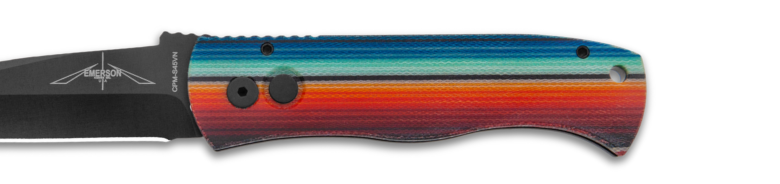
These are laminates made by arranging the substrate randomly or in a pattern instead of flat. They look super pretty and are common on custom knives. They perform just like normal Micarta, but sexier!
Richlite, Ebanol, Paper Micarta
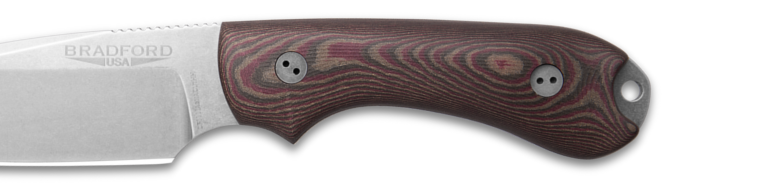
These are much like Micarta, except instead of using fabric, they use paper. They behave much like wood. So much so that in many musical instruments, these laminates replace endangered tonewoods for certain parts. Each of them makes a great knife handle, although they tend to be harder and less supple than micarta.
Should You Choose a Micarta Handle?
Just like blade steels, there is no such thing as a perfect handle material. Some materials are lighter than Micarta, others are stronger, and others are still better for certain traits. Ultimately the choice is up to you. For me, I gravitate to Micarta handles for fixed blades and large, overbuilt folders, where I can enjoy its benefits of comfort and grip. When picking a smaller folder, I prefer plastics and metals, or maybe G-10. But smarter people than me prefer different traits, and that’s great!
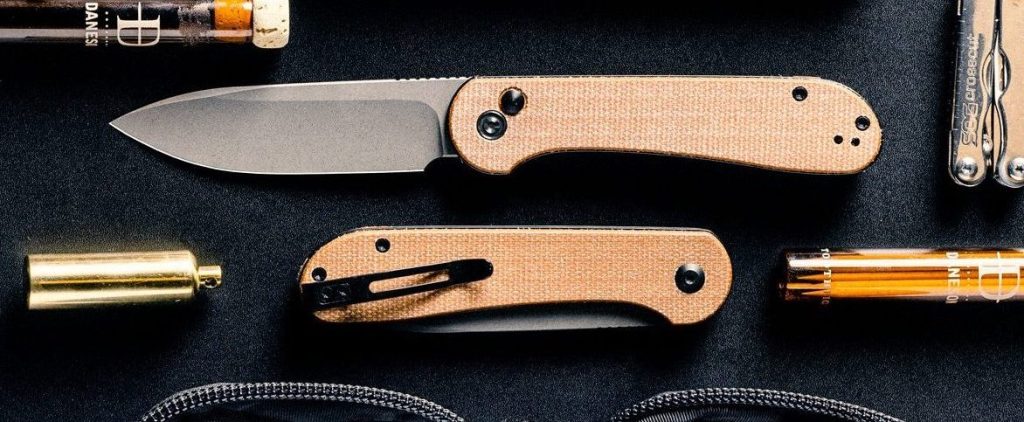
But this much I can tell you for sure: Micarta is a really cool material, and it’s absolutely worthy of its place on knives. With the tiniest bit of care, it will provide you with a comfortable and sure grip for years to come. If you’ve never felt it, try it out sometime! I’ll bet your hand will like it!


 Copyright © 2026 Blade HQ. All rights reserved