



Best Kitchen Knives by Budget, Steel, Style & More


Perhaps you’ve wondered, "What are the best kitchen knives?"
There’s no definitive answer—what is best to one person is sometimes mediocre to another.
But that didn’t stop us from making a list.
Below, we’ve curated some of the best professional kitchen knives as well as superb culinary cutlery for the layperson.
Rather than a top ten listicle, this article covers the top kitchen knife brands/series in each of ten separate categories.
Let’s jump in!
In This Article
- Best Budget Kitchen Knives
- Best Premium Kitchen Knives
- Best Stainless Steel Kitchen Knives
- Best Carbon Steel Kitchen Knives
- Best Damascus Steel Kitchen Knives
- Best Kitchen Knife Set
- Best American-Made Kitchen Knives
- Best Japanese-Style Kitchen Knives
- Best Serrated Kitchen Knives
- Learn More
- FAQ
Best Budget Kitchen Knives
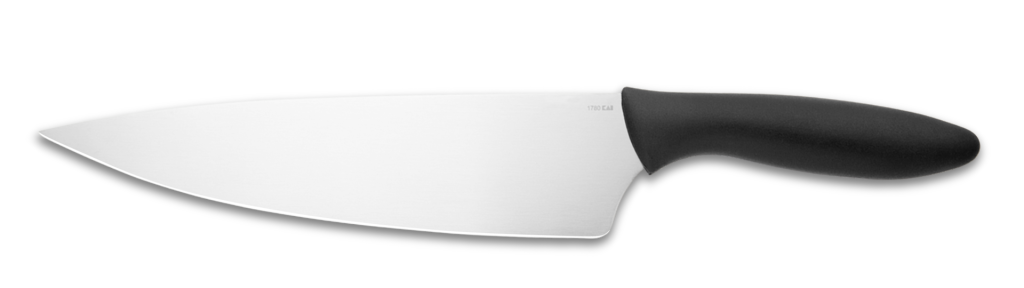
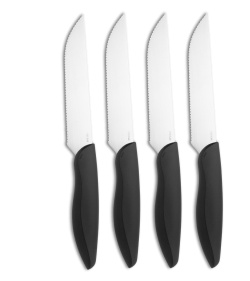
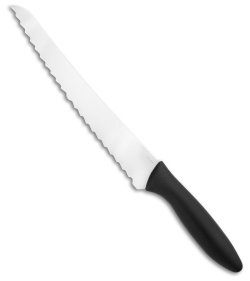
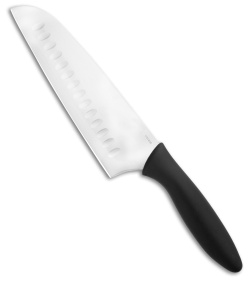
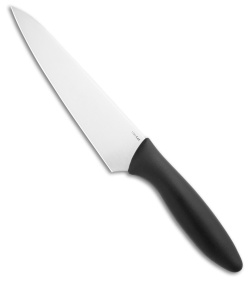
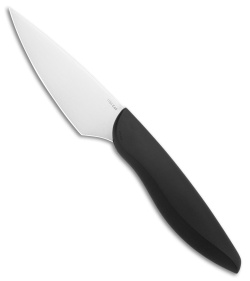
Kershaw offers a line of remarkably affordable kitchen knives, including a paring knife, utility knife, chef’s knife, Santoku, and others.
While these knives are a far cry from premium, they’re exceptionally functional and will make quick work of your culinary cutting tasks.
Kershaw knows that sometimes simplicity is where true value lies: a molded polymer handle and a stamped stainless steel blade.
Turns out, that’s all many people need.
That’s why Kershaw gets the trophy for having the best affordable kitchen knives.
Shop Kershaw Kitchen Knives
Carousel
Carousel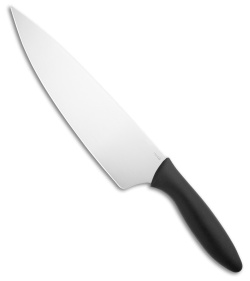
Donut Kitchen Knives
If you like what Kershaw has to offer, but want something with a little more color (and sugar), you’ll love this Dessert Warrior edition knife set:
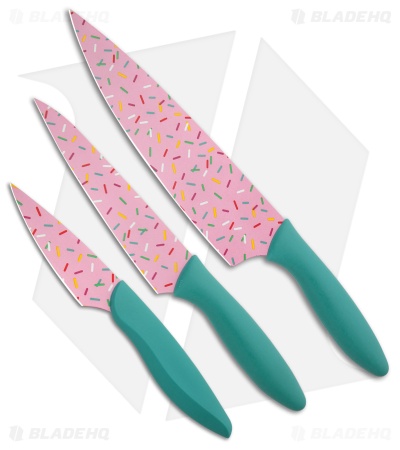
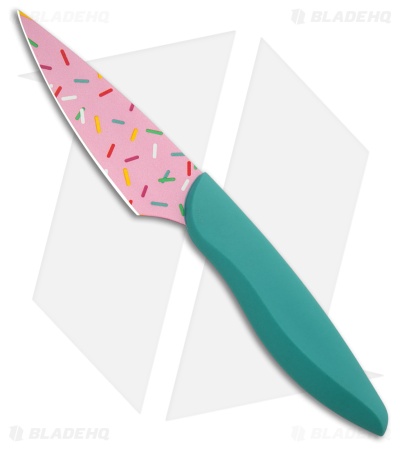
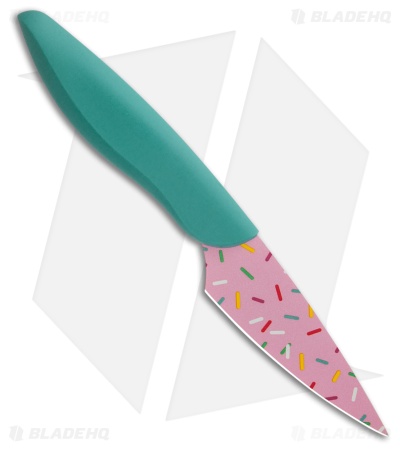
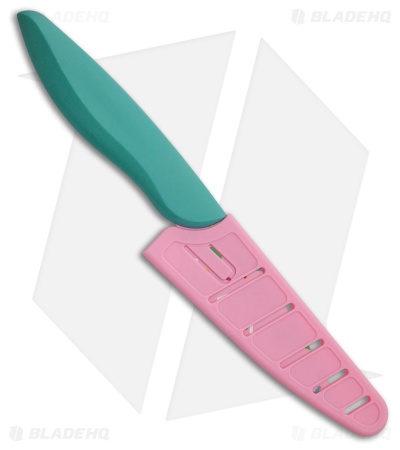
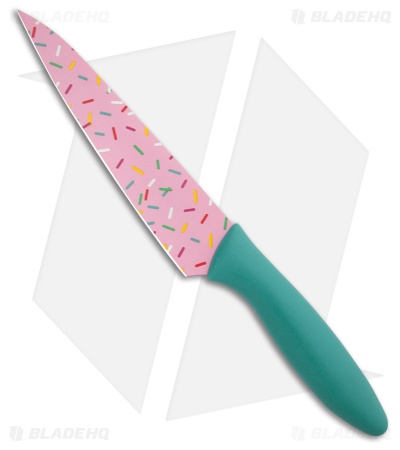
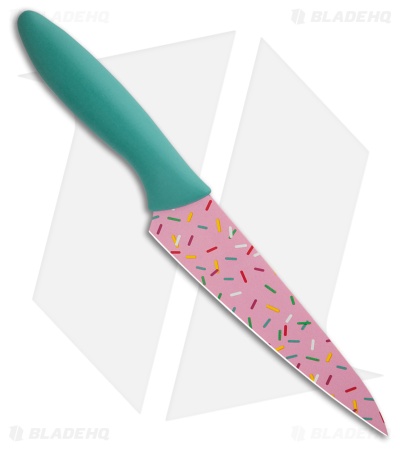
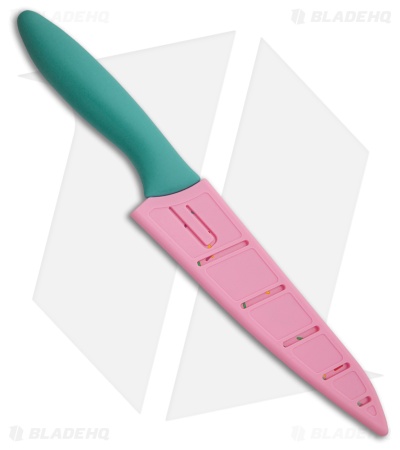
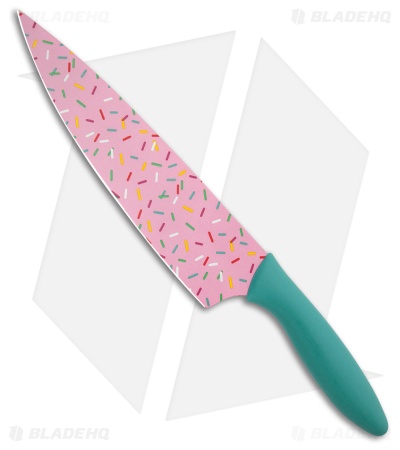
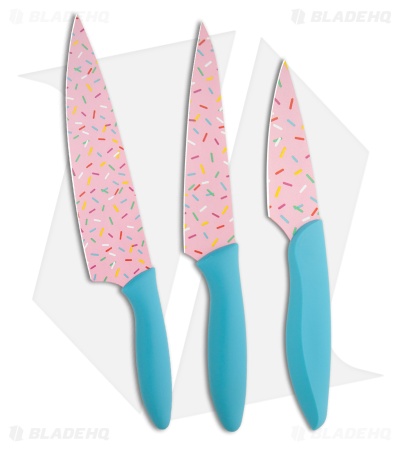
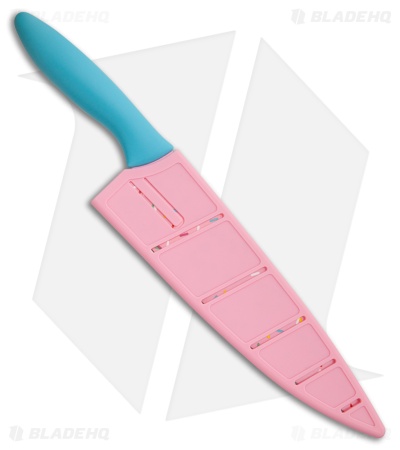
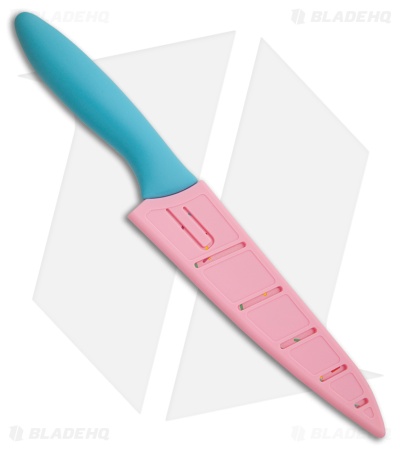
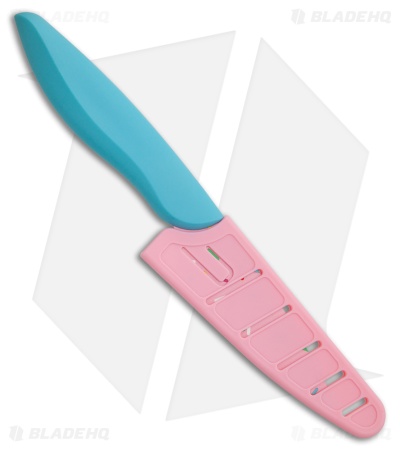
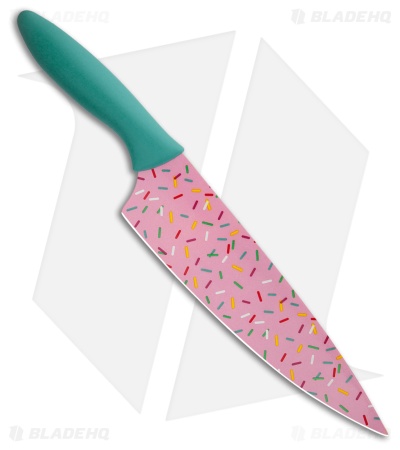
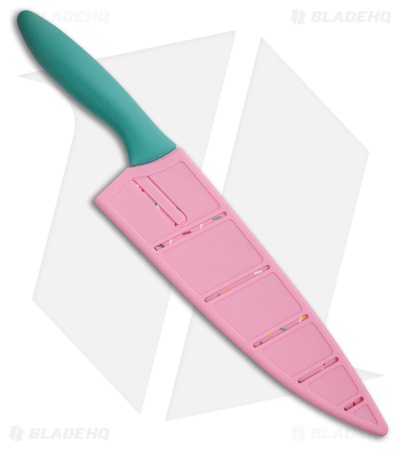
Add a sweet flair to your kitchen with the Dessert Warrior kitchen knife set by Kershaw! Each blade has a food-safe pink sprinkle coating and a blue polymer handle. This tasty-looking cutlery set is a Blade HQ exclusive product.
- Blade Material: 1.4116
Best Premium Kitchen Knives
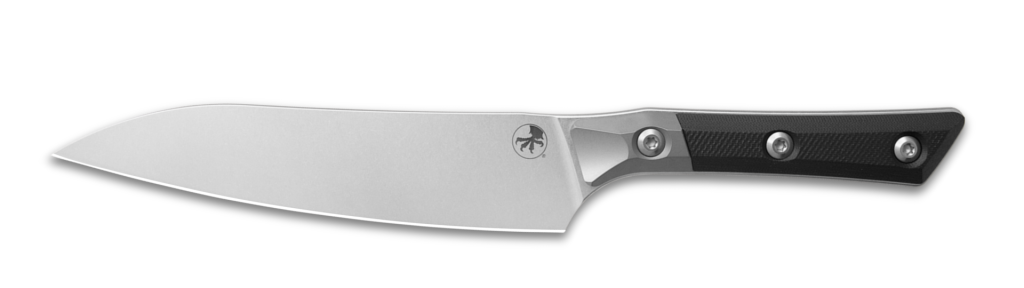
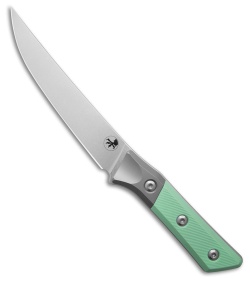
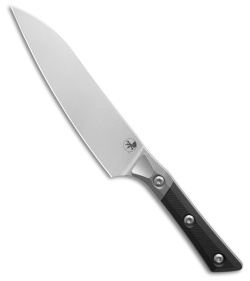
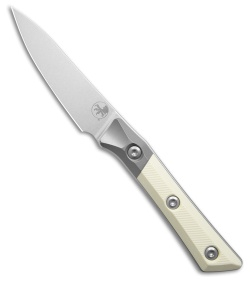
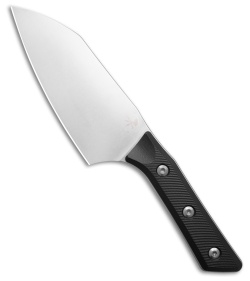
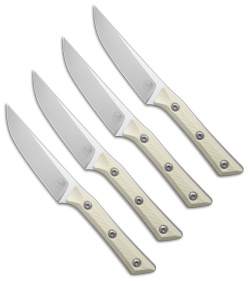
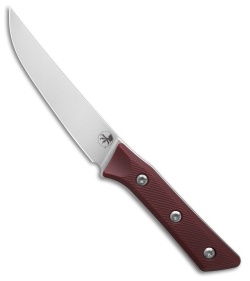
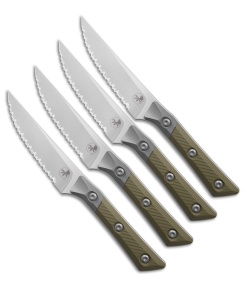
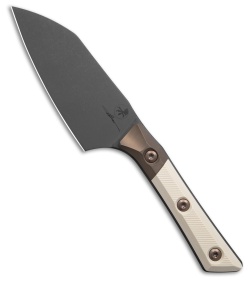
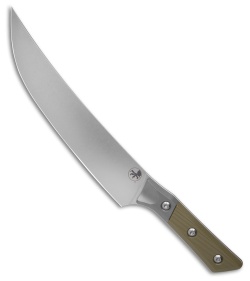
If you’re a fan of knives, you’ve likely heard of Microtech, and the name probably invokes the image of a premium OTF (out-the-front) knife.
Turns out Microtech also makes high-end kitchen knives.
Each has a thin blade, fine edge, distinct profile, and ergonomic handle. Every one is made in the USA.
The blade steel is Microtech’s proprietary M390MK steel, which will stay sharp for a good long while.
And the best part? For all you get, these high-quality knives come in at a relatively low price compared to the competition.
Shop Microtech Kitchen Knives
Carousel
Carousel
Best Stainless Steel Kitchen Knives
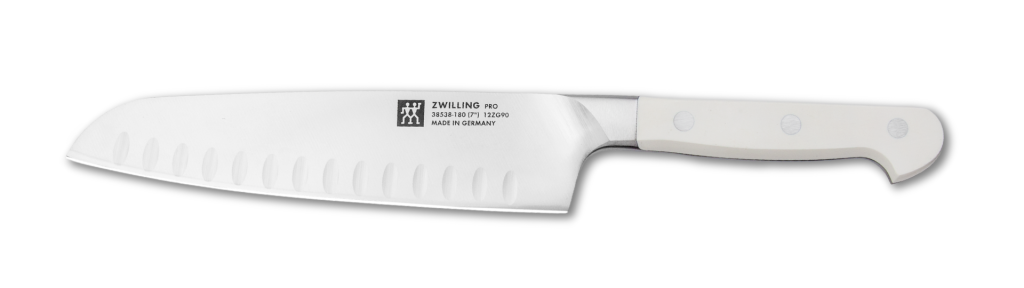
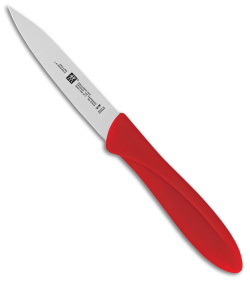
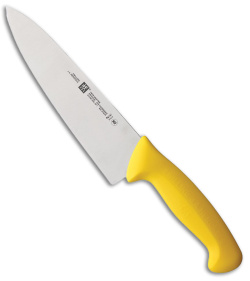
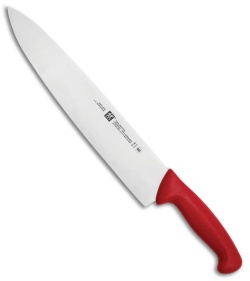
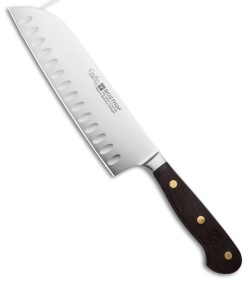
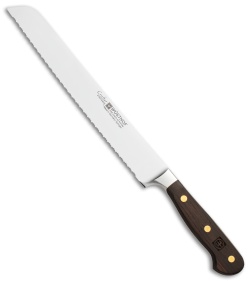
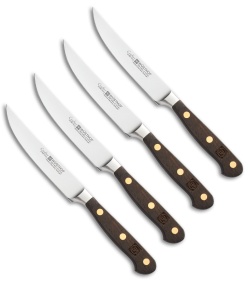
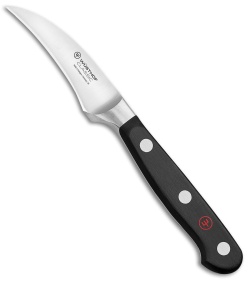
For a fantastic stainless steel blade, look no further than Germany’s own Zwilling and Wusthof kitchen knives.
Both companies have roots in Germany’s City of Blades: Solingen. Zwilling began there in the early 1700s, while Wusthof came around roughly a hundred years later.
These companies have a lot in common:
- Both still produce knives in Solingen, Germany today
- Both provide knives to professionals and home chefs worldwide
- Both primarily use German X50CrMoV15 stainless steel for their knife blades
Zwilling knives lean toward premium, especially the Pro series, while sub-brand J.A. Henckels knives are more budget-friendly.
Wusthof also offers both premium and more affordable options.
No matter which brand you choose, you’re bound to find a quality-built, razor-sharp, stainless steel kitchen knife that will serve your needs.
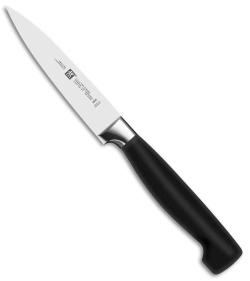
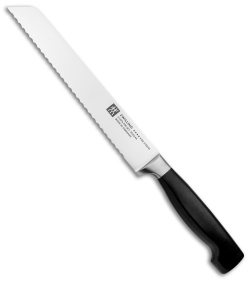
Shop Zwilling J.A. Henckels
Carousel
Carousel-
-
-
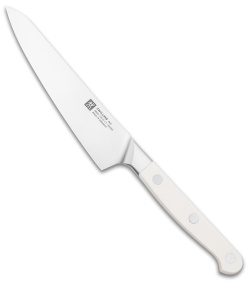 Zwilling Pro Le Blanc 5.5" Utility Prep Kitchen Knife White Three PinMSRP: $125.00Our Price: $99.99
 -
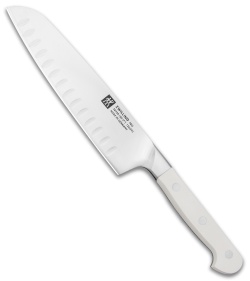 Zwilling Pro Le Blanc 7" Hollow Edge Santoku Kitchen Knife White Three PinMSRP: $170.00Our Price: $139.99
 -
-
Shop Wusthof
Carousel
Carousel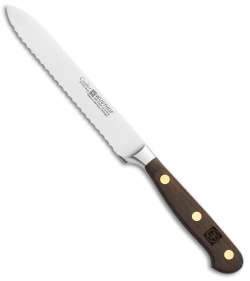
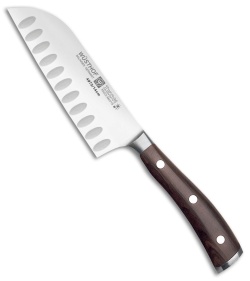
Why choose stainless steel?
Many cooks prefer stainless steel because it, well, stains less.
Most stainless steel knives will still rust or patina in the right conditions, but generally not during regular use in a regular kitchen.
Thus, you typically have less to worry about.
In short, stainless translates to worry less for many of us.
Best Carbon Steel Kitchen Knives
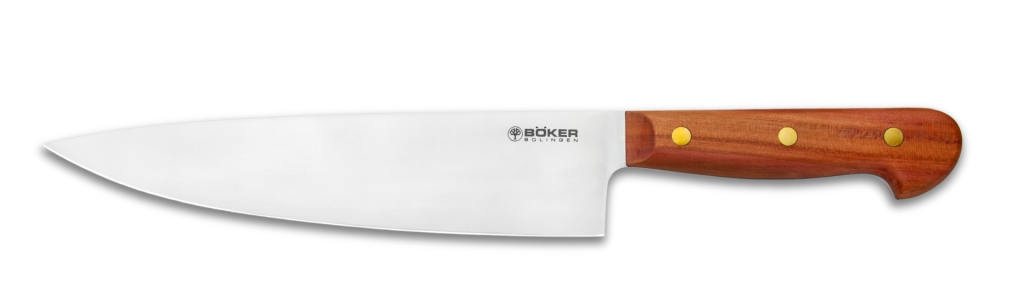
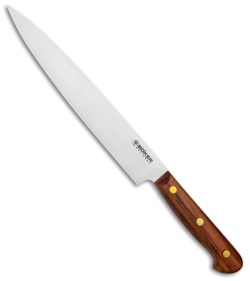
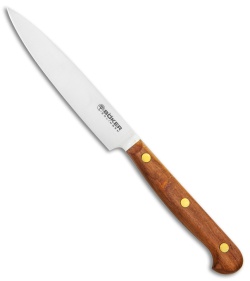
We think the Boker Cottage Craft series is a hot contender for the best high-carbon steel kitchen knives on the market.
Boker, like Zilling and Wusthof, is a German knife brand that began in Solingen, Germany.
While these days it’s known more for its pocket knives, Boker’s kitchen knives are nothing short of fantastic.
The Boker Cottage Craft series uses vibrant plum wood for the handles and high-carbon C75 steel for the blades.
For being premium German-made knives, they come at a comparably low price (around $100 cheaper than their contemporaries).
If carbon steel kitchen knives are what you want, Boker Cottage Craft will meet your needs—and then some!
Shop Boker Cottage Craft
Carousel
Carousel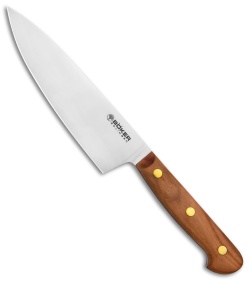
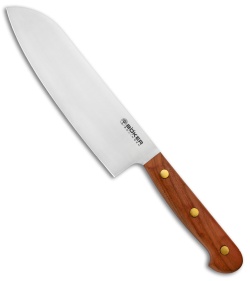
Why choose carbon steel?
Carbon steel tends to be softer and tougher compared to many stainless steels, meaning it’s less likely to chip and easier to sharpen.
For kitchen knives, easy sharpening is especially nice, as you can quickly hone your edge back to razor-sharp.
Carbon steel is more vulnerable to rust. Always keep blades made from it dry and clean.
Lastly, carbon steel will patina from the things you cut, causing the blade to gradually color, each mark a faint impression of your culinary efforts.
Best Damascus Steel Kitchen Knives
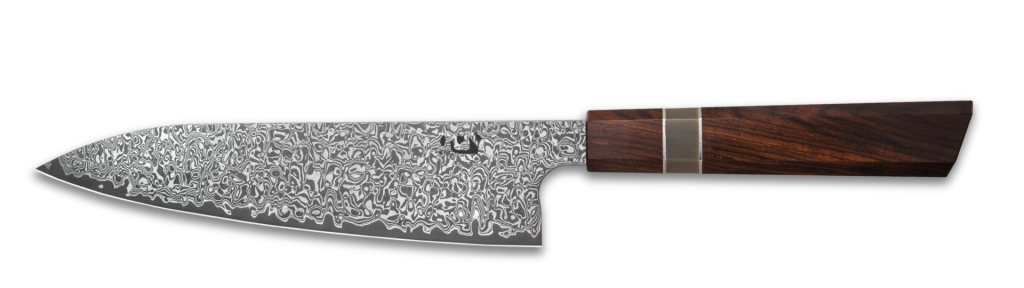
For beautiful, highly functional Damascus steel kitchen knives, Xin Cutlery has you covered.
Xin collaborates with Grzegorz Grabarski and Ostap Hel—both renowned Polish knifemakers and designers.
Together with Chinses craftsman with decades of knifemaking experience, Xin ensures its offerings cut just as great as they look.
Shop Xin Damascus Knives
Carousel
Carousel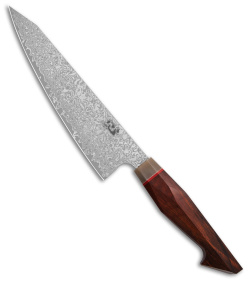
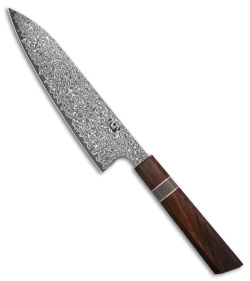
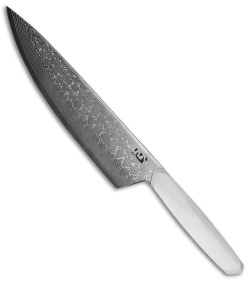
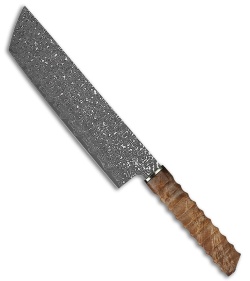
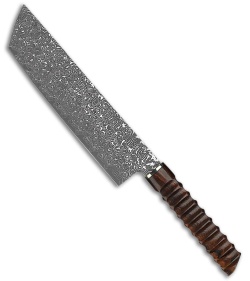
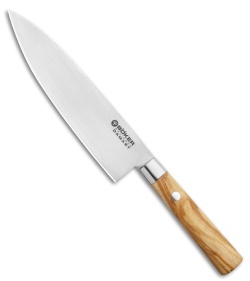
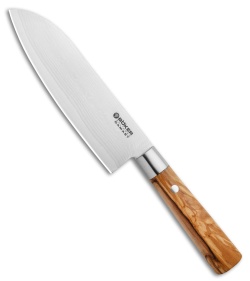
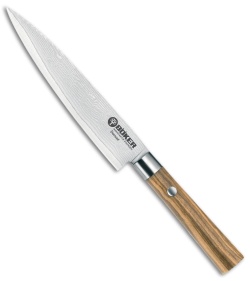
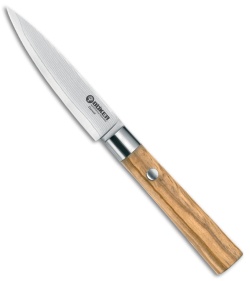
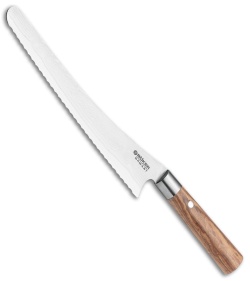
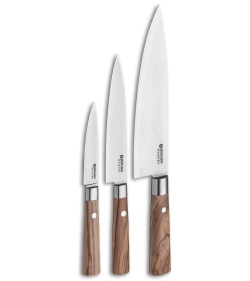
If you’re in the market for a whole Damascus knife set, though, or just something smaller (like a Damascus paring knife), we recommend you check out the Boker Olive series.
Boker Olive boasts—you guessed it—olive wood handles to go with their stunning blades.
Boker uses Damascus on the outside of the blade with a VG-10 steel core. VG-10 is a Japanese stainless steel specially designed for kitchen knives.
Shop Boker Olive Damascus Knives
Carousel
Carousel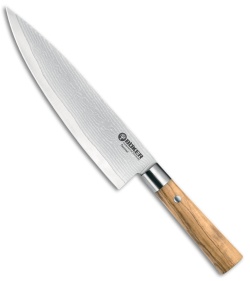
Is Damascus steel better than conventional steel?
No, though it undoubtedly looks better.
The performance of Damascus steel comes down to the types of steel pattern-welded to make it.
If the two steels are great, odds are the Damascus steel will perform well.
Typically, Damascus is made from carbon steel, which etches dark when dunked in acid.
One exception to this is Damasteel, a notable high-performer that’s stainless. It’s found on high-end folders, premium chef’s knives, and other luxury items.
Best Kitchen Knife Set
While there are countless good options out there, we went with the Swiss-made Victorinox Fibrox 8-Piece Kitchen Knife Set.
Victorinox has a long history of making very high-quality products, whether it’s a watch, a multi-tool, or a kitchen knife.
Victorinox knows that simplicity, reliability, and usability are what matter most to the average food preparer.
There aren’t any non-functional aspects to this product, and it covers all the bases: sturdy knives ranging from large to small, kitchen scissors, a honing rod, and a classy block to store it all in.
The best kitchen knives set you up for success without prerequisites, and this set has none: anyone can use it, and it can handle the wear and tear of any cooking space.
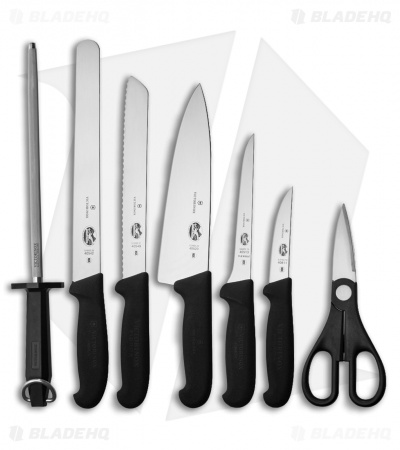
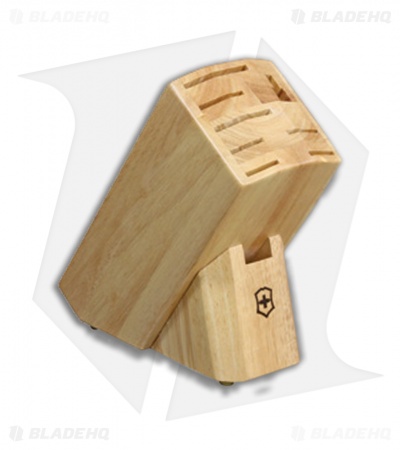
The Victorinox Fibrox series features blades stamped from cold-rolled steel and a bolsterless edge for full blade use and easier sharpening. This set includes a paring knife, boning knife, chef's knife, bread knife, slicing knife, scissors, honing rod, and an oak wood storage block. Made in Switzerland.
- Handle Material: Polymer
Best American-Made Kitchen Knives
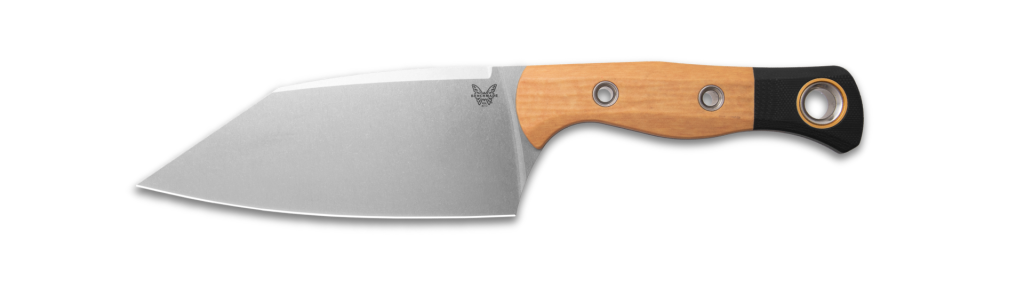
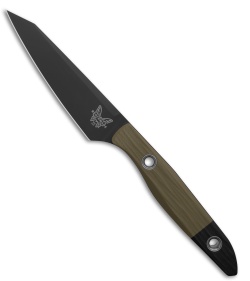
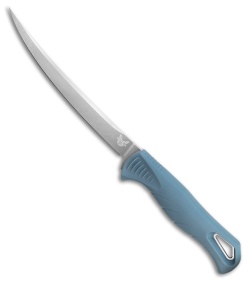
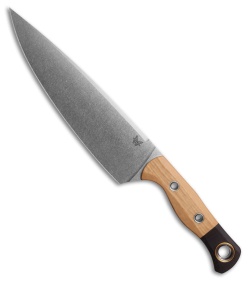
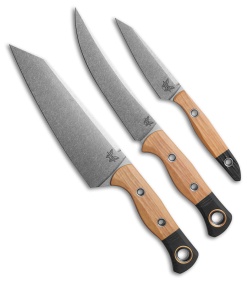
When it comes to American-made knives, Benchmade is the first brand that comes to many of our minds.
But you might not immediately think of Benchmade when you think of kitchen knives.
It’s time for that to change.
Benchmade kitchen knives are extremely well-made and use premium materials for both blade and handle.
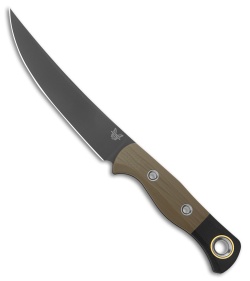
Whether it’s the 8" chef’s knife, the paring knife with the black blade, or the Meatcrafter slicing knife, you’re looking at heirloom quality.
Mix in Benchmade’s LifeSharp sharpening service and limited warranty, and you may never need to buy another kitchen knife again.
Shop Benchmade Kitchen Knives
Carousel
Carousel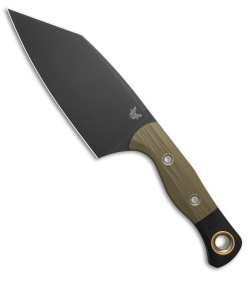
USA-Made On a Budget
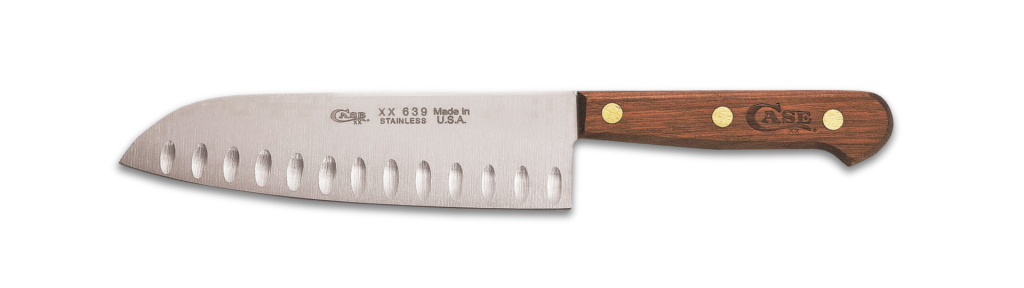
It may be that you want American-made kitchen knives but need something without a premium price tag.
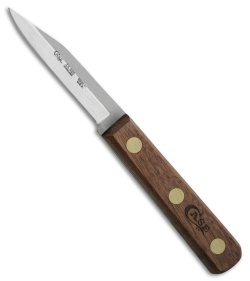
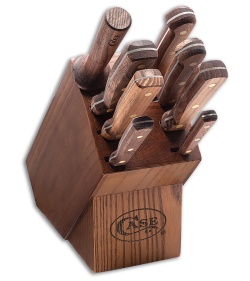
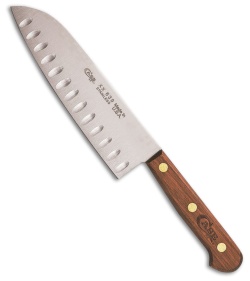
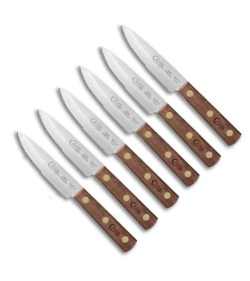
To those of you in this boat, we recommend Case Kitchen knives.
Case has been making knives on American soil for generations, and its culinary offerings are built to last.
Shop Case Kitchen Knives
Carousel
Carousel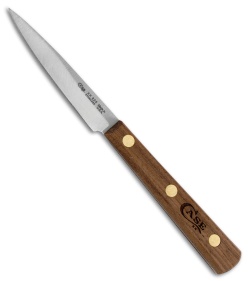
Best Japanese-Style Kitchen Knives
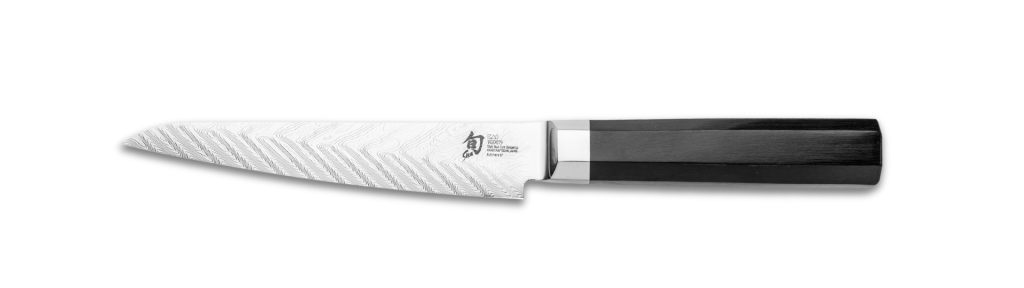
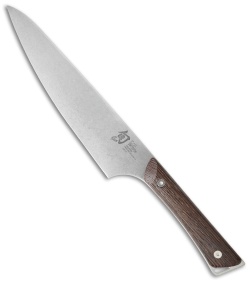
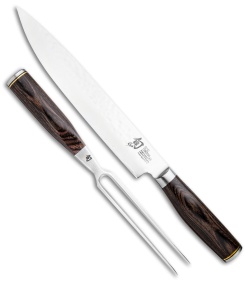
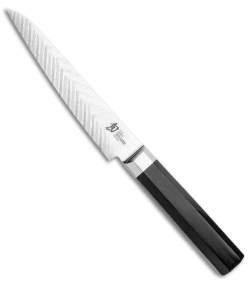
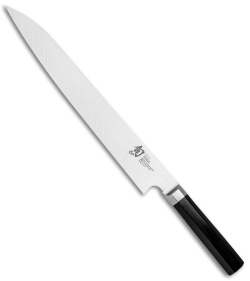
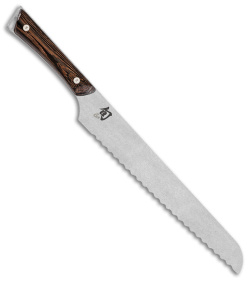
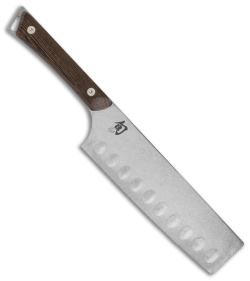
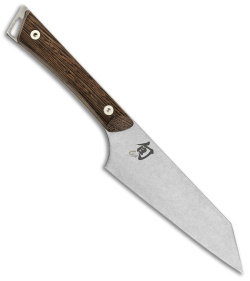
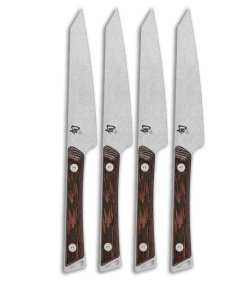
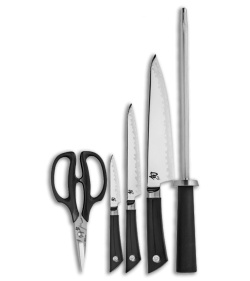
Our pick for the best brand offering Japanese kitchen knives is Shun.
Shun knives are designed and made in Japan, honoring traditional Japanese cooking knife styles, such as the Gyuto, Santoku, and Nakiri.
Shun offers premium Damascus steel knives with its Dual Core and Classic lines, as well as more affordable options with its Kanso and Sora lines.
Shop Shun
Carousel
Carousel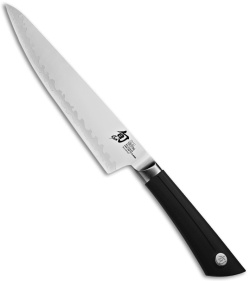
Not feeling Shun? Give Spyderco’s Murray Carter Minarai knives a look!
Their super thin blades and traditional octagonal handles are a joy to work with.
Fittingly, they’re also made in Japan.
Shop Spyderco Japanese Kitchen Knives
Carousel
Carousel-
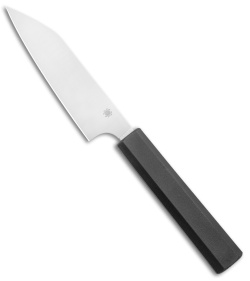 Spyderco Murray Carter Minarai 4.5" Petty Paring Kitchen Knife Black K15PBKMSRP: $108.00Our Price: $81.00
 -
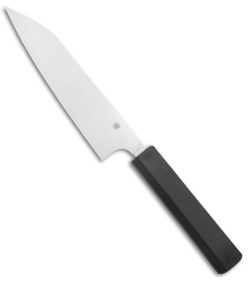 Spyderco Murray Carter Minarai 6" Funayuki Utility Kitchen Knife Black K16PBKMSRP: $144.00Our Price: $108.00
 -
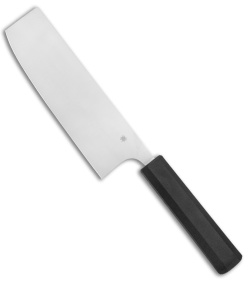 Spyderco Murray Carter Minarai 7" Nakiri Kitchen Knife Black K17PBKMSRP: $198.00Our Price: $148.50
 -
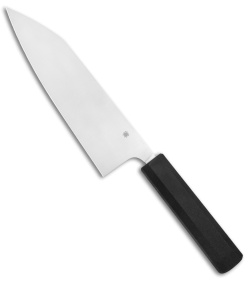 Spyderco Murray Carter Minarai 8" Bunka Bocho Kitchen Knife Black K18PBKMSRP: $210.00Our Price: $157.50
 -
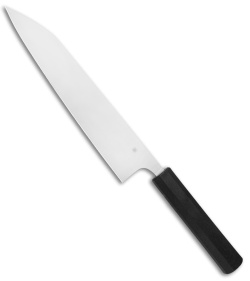 Spyderco Murray Carter Minarai 10" Gyuto Chef's Kitchen Knife Black K19PBKMSRP: $240.00Our Price: $180.00
Best Serrated Kitchen Knives
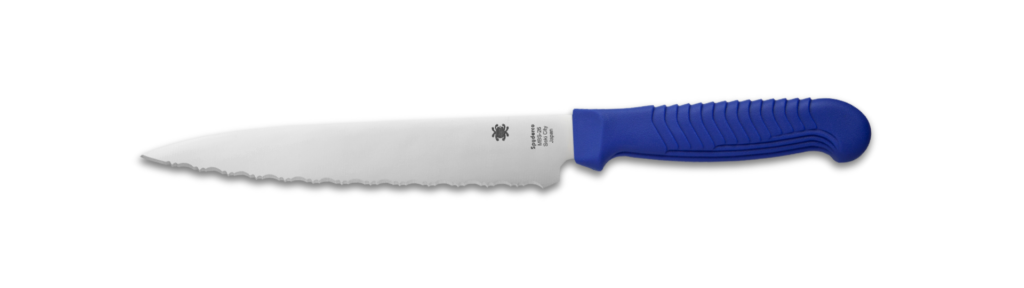
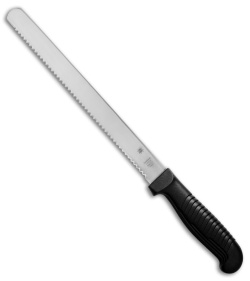
Most serrated kitchen knives are bread knives, but serrations can be handy on other culinary blades, too.
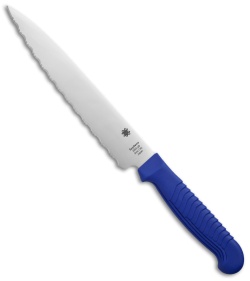
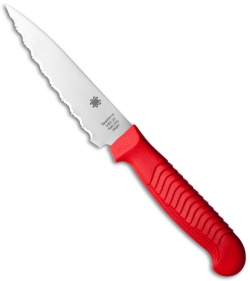
Few companies offer a wider selection of serrated kitchen knives than Spyderco: from serrated paring knives to serrated utility knives to bread knives and more.
Shop Spyderco Serrated Kitchen Knives
Carousel
Carousel-
-
-
-
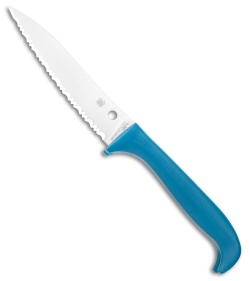 Spyderco Counter Puppy Kitchen Knife Blue (3.4" Satin Full Serr) K20SBLMSRP: $37.00Our Price: $27.75
 -
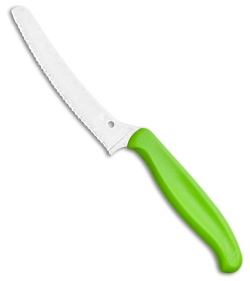 Spyderco Z-Cut Lightweight Green Blunt Tip Blunt Tip (4.5" Satin Serr) K13SGNDiscontinuedMSRP: $30.00Our Price: $23.50
 -
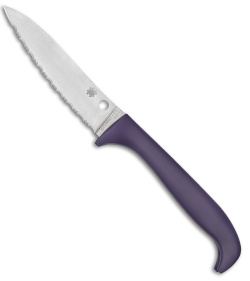 Spyderco Counter Critter Kitchen Knife Purple (3.4" Satin Serrated) K21SPRMSRP: $49.00Our Price: $36.75
Why choose a serrated blade?
There are two main reasons:
- Serrated edges usually still perform well even after much dulling, as their teeth make them less reliant on a razor-fine cutting edge.
- There’s no hope for cleanly slicing a tomato without a sharper-than-sharp knife, or a blade with serrations. Serrations are a tomato’s Kryptonite.
Learn More
How to Sharpen a Kitchen Knife
We wrote a whole article on kitchen knife sharpening. Click the link to check it out!
How to Clean a Kitchen Knife
First off, please don’t put it in your dishwasher. A dishwasher will wreck fine handle materials and cause your blade to dull and scratch as it bumps against other utensils and dishes.
It’s almost always best to hand-wash your kitchen knives. Simply apply a drop of soap to the blade, then rinse, scrub it, dry it, and store it.
What’s the Best Steel for Kitchen Knives?
There are many good options when it comes to blade steels for kitchen cutlery. But once you break it down, there are two main things to consider:
- Do you want carbon or stainless steel?
and - Do you want a blade that’s easy to maintain or that requires less maintenance?
We looked at some of the pros and cons of stainless steel and carbon steels above (click the links to fast travel).
As for point number two, softer steels will dull more quickly, but you can put a razor edge back on them lickety-split.
Conversely, high edge retention steels will take longer before you need to touch up their edge, but sharpening can be a chore.
Here are a few recommendations for both cases:
Great Easy to Sharpen Steels
- 14C28N
- AEB-L
- VG-10
- CPM 154
Great High Edge Retention Steels
- M390
- MagnaCut
- CPM S35VN
- COM S30V
Types of Kitchen Knives
There are many different types of kitchen knives. Here’s an index of common Western and Japanese styles:
Western
- Chef’s knife: The all-purpose knife for chopping, slicing, and mincing meat, vegetables, and herbs. Has a curved edge to support rocking cuts.
- Paring knife: Small knife for peeling, trimming, and detailed work, especially while holding food in your other hand.
- Utility knife: Between a paring and chef’s knife in size. Used for smaller produce, sandwiches, and everyday slicing.
- Bread knife: Long, serrated blade for cutting bread and other foods with firm exteriors and soft interiors.
- Boning knife: Narrow blade for separating meat from bones and trimming connective tissue.
- Fillet knife: Thin, usually flexible blade for filleting fish.
- Carving/Slicing knife: Long, narrow blade for cleanly slicing cooked meat. Carving knives often have pointed tips while slicers usually have rounded tips.
- Cleaver: Thick, heavy blade without a point that’s capable of cleaving through joints and bones in meat. Often has a hole near the top of the blade.
- Steak knife: Table knife for cutting individual portions of cooked meat.
Japanese
- Gyuto: Japanese counterpart to the Western chef’s knife; versatile for meat, vegetables, and general preparation.
- Santoku: General-purpose knife with a relatively flat edge that’s well-suited to slicing, dicing, and chopping. Commonly found in Western knife sets.
- Bunka: Multipurpose knife similar to a santoku, with an angular, pointed tip for detailed cuts.
- Petty: Small utility knife for trimming, peeling, and preparing smaller ingredients. Like a Western paring knfie.
- Nakiri: Thin, rectangular, double-bevel vegetable knife for chopping and slicing. Not intended for bones.
- Usuba: Traditional single-bevel vegetable knife for precise cuts and specialized peeling techniques.
- Sujihiki: Long, narrow, double-bevel slicer for meat and boneless fish.
- Yanagiba: Long, single-bevel knife for slicing fish for sashimi and sushi.
- Kiritsuke: Traditionally a single-bevel knife combining vegetable and fish-slicing duties. Many modern versions are double-bevel, multipurpose "kiritsuke gyutos." The master chef’s knife.
Frequently Asked Questions
Which kitchen knives do I actually need?
Start with a chef’s knife, a paring knife, and a serrated bread knife. These cover most everyday kitchen tasks.
Can kitchen knives go in the dishwasher?
Handwashing is best, even for dishwasher-safe knives. Wash with mild soap, dry immediately, and store with the edge protected (usually in a block or sheath).
How often should I sharpen kitchen knives?
Sharpen when cutting requires more pressure or the blade slips on tomato skins. Frequency depends on use, steel, and cutting surface.
Is it better to buy a knife set or individual knives?
Individual knives let you choose exactly what you need. A set can offer better value if you’ll use all the included pieces.
Are expensive kitchen knives worth it?
They can be, especially for better cutting performance, comfort, or edge retention. However, higher prices sometimes reflect decorative details rather than better performance.
Are Japanese or German kitchen knives better?
Japanese knives often favor thin blades for precise slicing. German knives often favor sturdier edges for forgiving everyday use. The better choice depends on the specific knife and your preferences.
Is carbon steel or stainless steel better for kitchen knives?
Stainless steel resists rust and requires less care. Carbon steel develops a patina and needs more attention to prevent rust. Either can deliver excellent cutting performance.


 Copyright © 2026 Blade HQ. All rights reserved