Demko Shark-Lock: Everything You Need to Know in 2026


In this Article
- What is the Shark Lock?
- Shark Lock Pros and Cons
- How Strong is the Shark Lock?
- How Does the Shark Lock Compare to the Tri-Ad Lock?
- What’s the Difference Between the Shark-Lock and the Snecx SuperLock?
- Compare the Shark Lock to other Lock Types
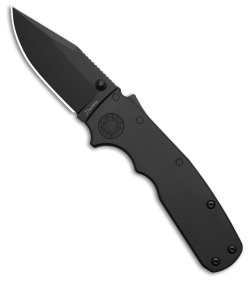
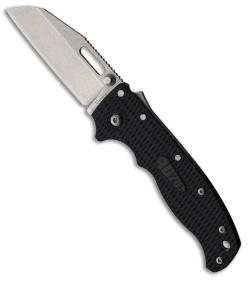
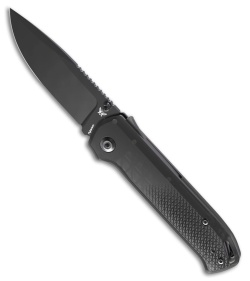
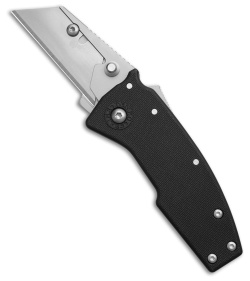
- What Knives Have the Shark Lock?
- Why Buy a Shark Lock?
- FAQ
Andrew Demko has been one of the biggest names in knives for decades. Many of the most popular Cold Steel knives are his designs.
Heck, my favorite knife ever made, the Cold Steel AD-10, is a production version of his custom design.
A couple years ago, Andrew Demko created Demko Knives, with the new and innovative Shark-Lock at the forefront.
Today, I’m going to tell you everything you need to know about the Shark-Lock!
What is the Shark-Lock?
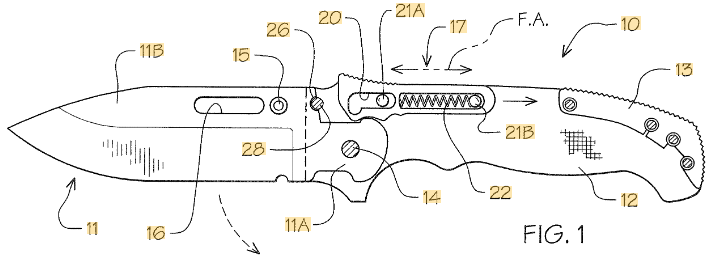
The Shark-Lock is a spine-actuated locking mechanism for folding knives. It’s extremely strong, fidget-freindly, and 100% ambidextrous.
The Shark-Lock’s most distinctive feature is the protrusion at the top that resembles a shark’s dorsal fin (hence its name). By pulling down on this protrusion, you’ll disengage the lock.
Not every spine-actuated lock is a Shark-Lock; under the proverbial hood, this lock has some significant differences from other similar locks (more on that later).
Shark-Lock Pros and Cons
Pros
- Very, very strong.
- Ambidextrous
- Fidget-Friendly
Cons
- The "fin" can sometimes get in the way of your grip
- Requires full disassembly to clean
- If the blade is only partially opened, it can snap closed suddenly
How Strong is the Shark-Lock?
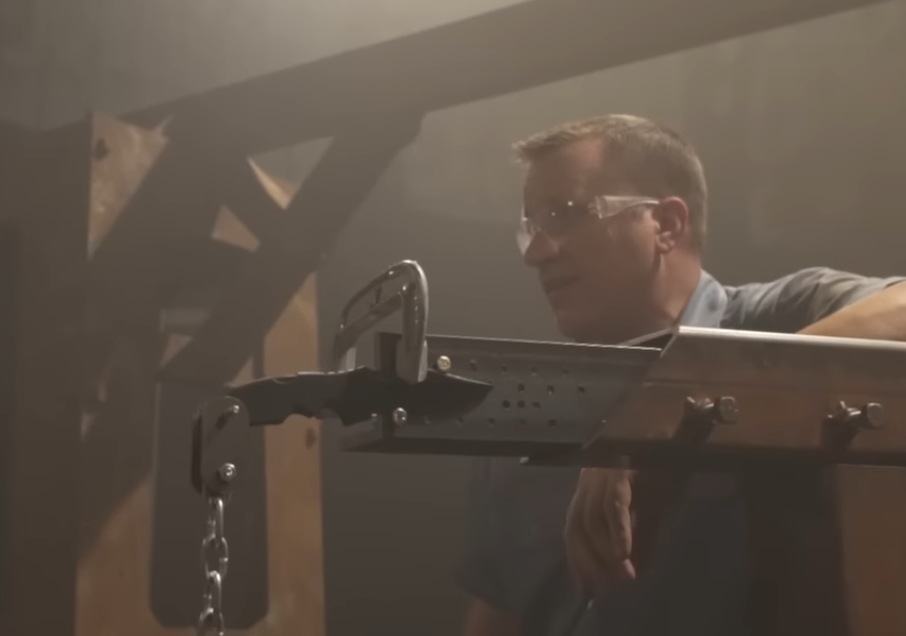
Andrew Demko is known for pushing his knives to the break point to prove his claims. He pushed the little 3.5 oz. AD20.5 to an absurd 875 inch-pounds of torque before it broke.
With strength like that, you should worry more about breaking your blade than your lock.
Some locks have a much lower break strength than the Shark-Lock.
For example, most adults could probably break the average liner lock with just their hands, although it wouldn’t be easy and would likely end in injury.
But then there are locks like the Shark-Lock, the crossbar lock, the lockback, the Tri-Ad Lock, and many others. These are far stronger than you could ever need them to be.
How Does the Shark-Lock Compare to the Tri-Ad Lock?
The strongest knife lock to date is the Tri-Ad Lock, which was also invented by Andrew Demko.
The genius of that lock is also in the Shark-Lock: a pin sandwiched between the blade tanh and the lockbar.
Most knife locks interface directly with the blade, which puts all bending pressure on the lock itself.
If you sandwich a pin between the lock and the blade, that all changes. The pin joins the lock, sharing the pressure and distributing it into the knife’s frame. This seriously boosts the knife’s strength.
All in all, the Shark Lock offers similar strength to the Tri-Ad lock, but offers it with a smooth, one-hand operable mechanism.
What’s the Difference Between the Shark-Lock and the Snecx SuperLock?
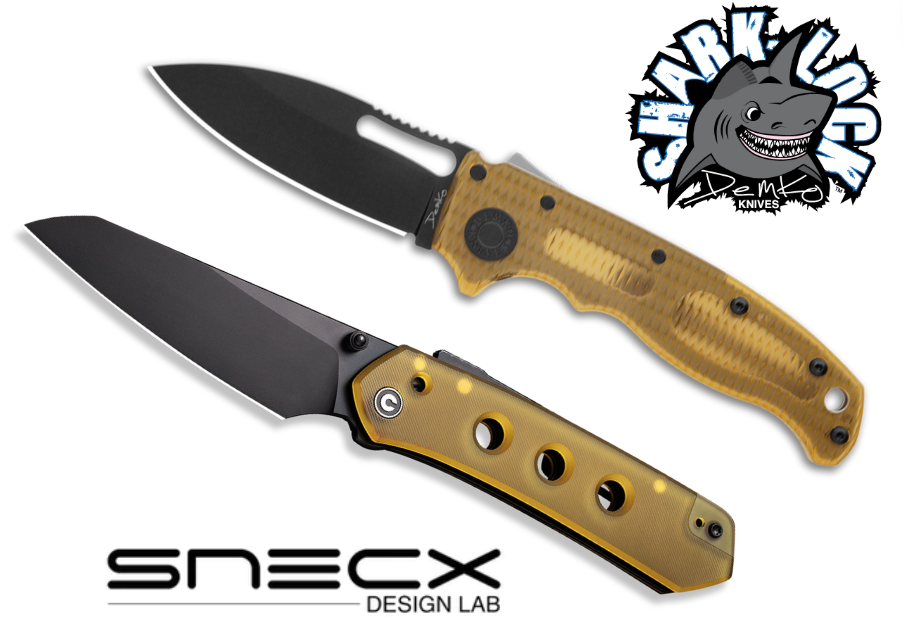
At first glance (and maybe even second), the Shark-Lock looks a lot like the SuperLock, designed by Snecx, a Malaysian knife genius.
Knife nerds will wage digital warfare over these locks as though the SuperLock and the Shark-Lock were really trying to compete.
The reality is that they are simply different mechanisms trying to do different things.
For starters, the SuperLock is a fully open mechanism, and the entire lockbar can be pulled out without disassembly.
Snecx is renowned for his custom knives that hold together with detents and switches and require no tools to fully disassemble. His lock follows suit, even on his production designs.
The Shark-Lock is secured with two pins and requires full disassembly for cleaning. The SuperLock wedges between the tang of the blade and the stop pin, but the Shark-Lock introduces a third pin into the equation for locking purposes only.
To make a long story short, they have similar user interfaces, but they’re functionally different.
Both are great locks invented by renowned knifemakers. Both locks will serve you well. There is no need to type vitriol at strangers on the internet over this!
Compare the Shark-Lock to other Lock Types
This table compares the Shark-Lock to some of the more common lock types featured in our main article on knife lock types.
| Lock Strength | Ease of Use | Fingers in Blade Path | One-Handed Close | Fidget Factor | |
| Shark-Lock | 10 | 8 | No | Yes | 9 |
| Liner Lock | 7 | 7 | Yes | Yes | 7 |
| Frame Lock | 8 | 7 | Yes | Yes | 7 |
| Button Lock | 7 | 10 | No | Yes | 10 |
| Crossbar Lock | 8 | 9 | No | Yes | 10 |
| Top Liner Lock | 9 | 8 | No | Yes | 9 |
| Lockback | 8 | 6 | Yes | No | 4 |
| Tri-Ad Lock | 10 | 6 | Yes | No | 4 |
What Knives Have the Shark-Lock?
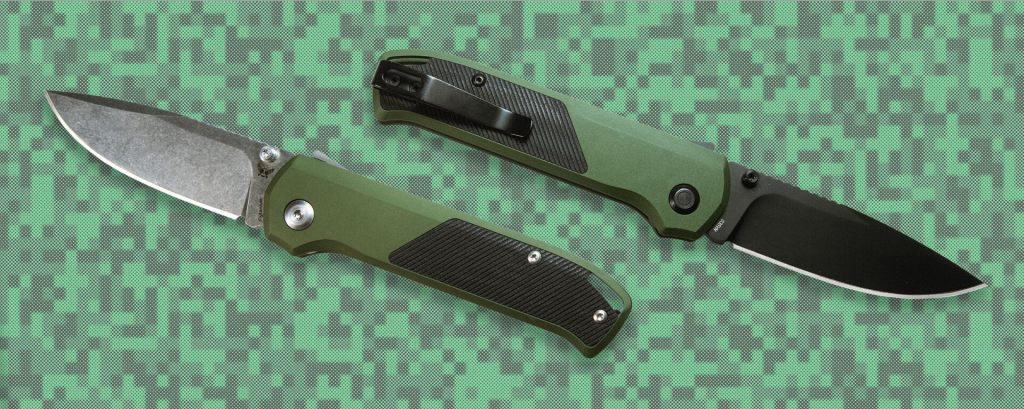
As of 2026, here’s the up-to-date list:
Demko Models
Licensed Models
We’ll see what other tricks Demko has up his sleeve in the future, but for now, this is the full Shark-Lock repertoire!
Why Buy a Shark-Lock?
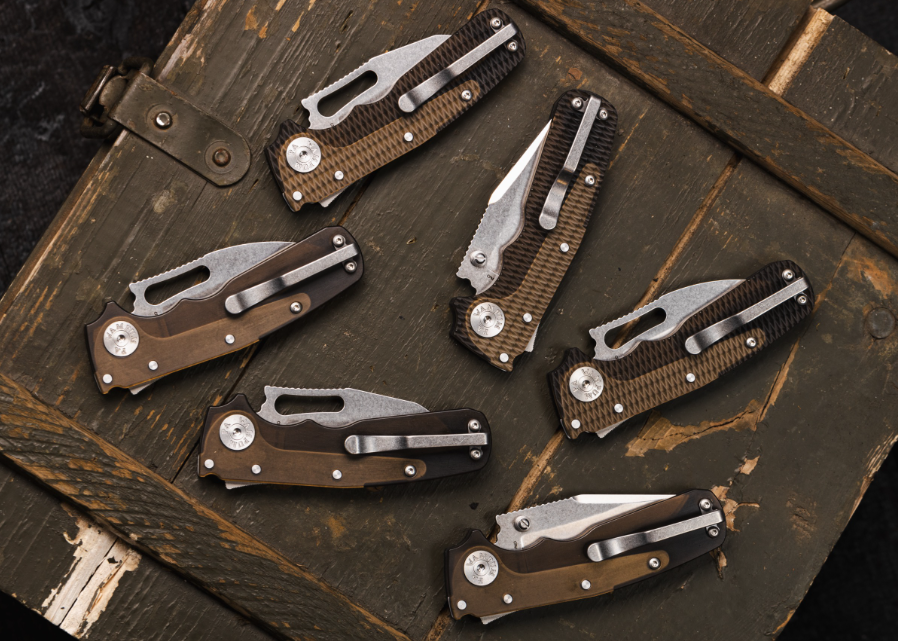
Blade HQ’s Take
After handling thousands of knives, we consider the Shark-Lock one of the easiest high-strength locking mechanisms to learn and use.
It’s the perfect lock type for people who prioritize strength in their folders but still want something EDC-friendly.
With a Shark-Lock knife by your side, you can confidently dismiss any worries about your lock failing and enjoy smooth one-handed operation.
Shop Shark-Lock Knives!
Carousel
Carousel
FAQ
Who invented the Shark-Lock?
Andrew Demko invented the Shark Lock. He’s an American custom knifemaker and designer.
How does the Shark-Lock work?
The Shark-Lock uses a spine-mounted lockbar that slides on two steel guide pins and engages the blade tang when opened. Pulling the rear lock tab retracts the bar, disengaging the lock and allowing the blade to close.
Is the Shark-Lock stronger than the Tri-Ad Lock?
No. But it’s a close game. The Shark-Lock is extremely strong and shouldn’t fail in any normal (and most extreme) use cases.
Is the Shark-Lock stronger than a Crossbar Lock?
Both lock types are very strong, but we have to give the edge to the Shark-Lock.
Is the Shark-Lock ambidextrous?
Yes. Whether you’re right-or left-handed, you’ll be able to use this lock without issue. Most Shark-Lock knives even include a left-side carry pocket clip that you can install should you desire.


 Copyright © 2026 Blade HQ. All rights reserved