After perusing the various rankings, you may have noticed that steels with high edge retention tend toward equally low ease of sharpening.
Take CPM S110V and O1 carbon steel for example:
CPM S110V
Edge Retention – 8.5
Toughness – 3
Ease of Sharpening – 2.5
Corrosion Resistance – 9
O1Carbon Steel
Edge Retention – 2
Toughness – 4.5
Ease of Sharpening – 9
Corrosion Resistance – 0.5
As you can see, when edge retention is high, ease of sharpening is low, and vice versa. A more prolonged pursual of the Knife Steel Guide will reveal that this is common across the board.
This, of course, makes perfect sense:
Edge Retention refers to how wear-resistant a steel is—how much abrasion it takes to wear down the edge, making it duller.
Ease of Sharpening refers to how wear-resistant a steel is—how much abrasion it takes to file-down the edge, making it sharper.
Thus we have arrived at the question that began this article: Doesn’t that just make them…the same thing?
Carbides Make the Difference
Edge retention and ease of sharpening are not the same thing—but they have a lot in common.
Part of the answer comes down to carbides: extremely small, extremely hard particles within the steel.
Carbide type, hardness, and volume help determine how strongly a steel resists wear. (You can learn all about carbides in our What Do We Mean by "Super Steel?" article.)
A steel containing many carbides generally holds its edge longer during abrasive cutting; those carbides also resist the abrasives on your sharpening stone.
Which explain why a steels like CPM S110V can hold an edge for so long but take considerably more effort to sharpen.
In addition to carbide types, hardness, and volume, carbide size matters too. Fine, evenly distributed carbides generally improve toughness and edge stability, allowing a knife to support a thinner, finer edge.
Powder metallurgy often produces a finer carbide structure in highly alloyed steels. That said, not all powder steels are easy to sharpen (like CPM S110V).
CPM MagnaCut is a perfect example of a steel designed for balance. Its fine structure and carefully controlled composition give it strong toughness and edge stability alongside good wear resistance.
Why Sharpening Matters
Edge retention describes how long that finished edge keeps cutting. Notably, a knife can dull for all of the following reasons: gradual wear and the loss of carbides in the edge, having its edge roll or otherwise deform, and chipping—a much longer list than we see for ease of sharpening.
Ease of sharpening describes how readily you can remove steel, form an edge, and cleanly remove the burr (a burr the excess flakes of steel left on an edge after the first sharpening pass). It comes down to how resistant the steel is to your sharpener.
In short, edge retention and ease of sharpening are closely related because both involve abrasion. The main difference is that they measure what happens under different conditions.
One measures how long an edge lasts; the other measures how easily you can rebuild it.
More of a visual learner? Check out the following video where we collaborated with Jerad Neeve!
Which Sharpeners Are Best?
How easy a steel is to sharpen fluctuates tremendously based on the sharpener you’re using.
For softer steels with high marks in ease of sharpening, really any sharpener will do.
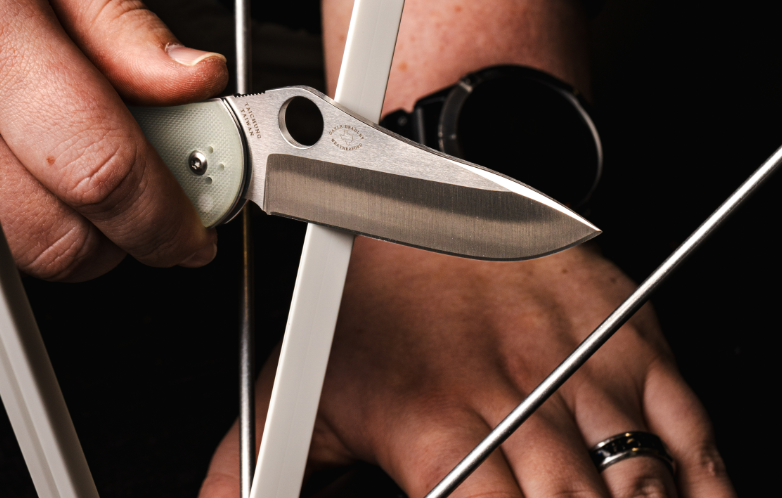
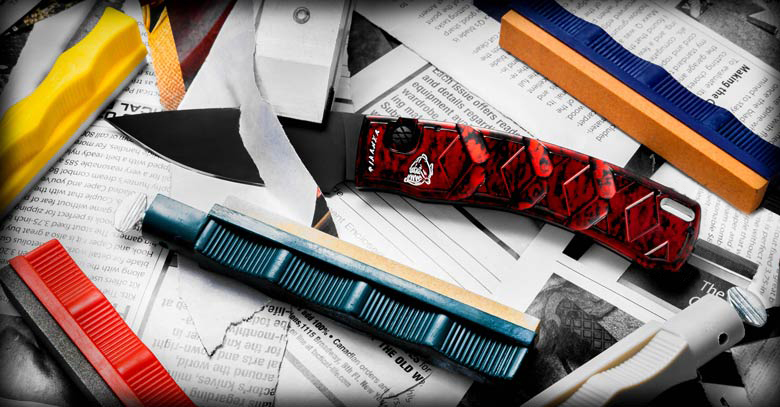
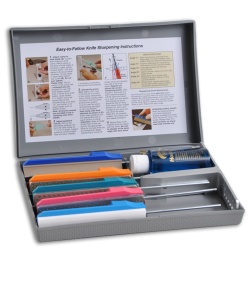
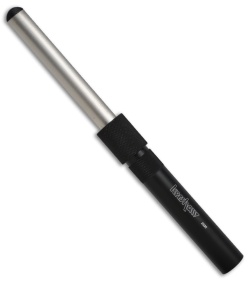
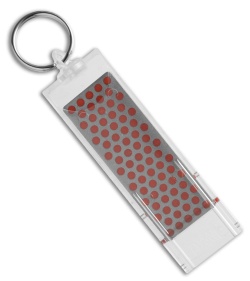
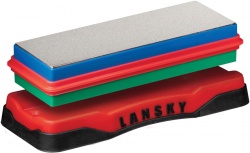
But if you have a very high edge retention steel, you’ll want to sharpen that thing with diamond. Diamond abrasives are so hard they chew through even the hardest steel types.
That’s not to say a diamond sharpener will make ease of sharpening a negligible factor—it won’t!









 Copyright © 2026 Blade HQ. All rights reserved