



Pocket Knives
The humble pocket knife. We think everyone should own one (or more). Browse our vast selection below, shop by brand, or scroll to the bottom for help finding the perfect folder for your needs.


The humble pocket knife. We think everyone should own one (or more). Browse our vast selection below, shop by brand, or scroll to the bottom for help finding the perfect folder for your needs.
The first pocket knives were manual folders with simple designs. But modern pocket knives come in many sophisticated forms, and it can be overwhelming to find the right fit for you.
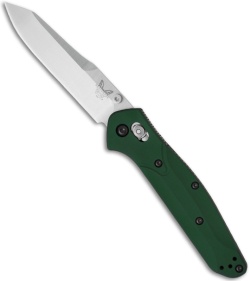
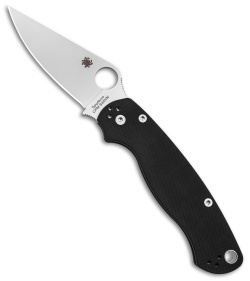
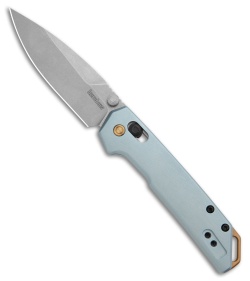
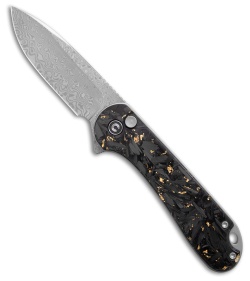
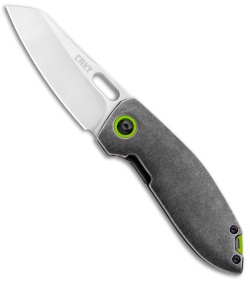
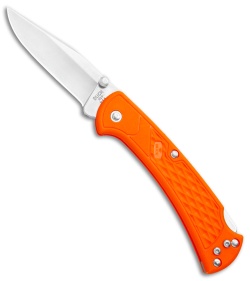
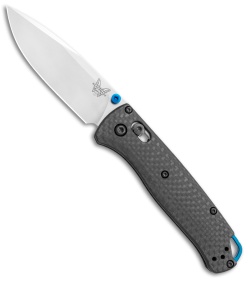
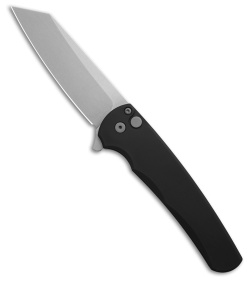
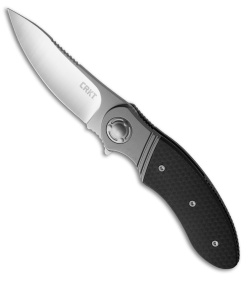
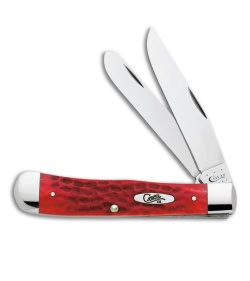
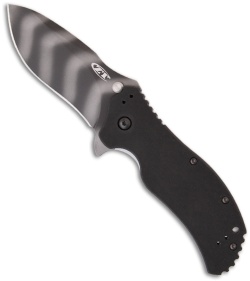
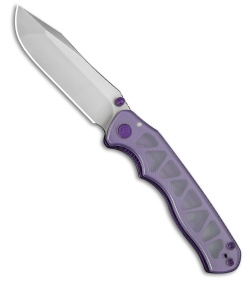
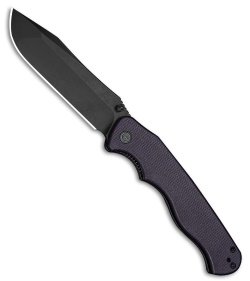
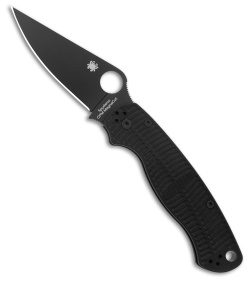
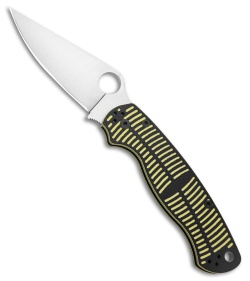
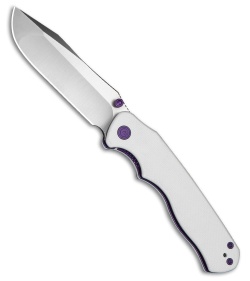
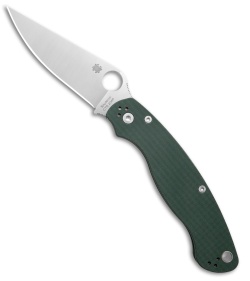
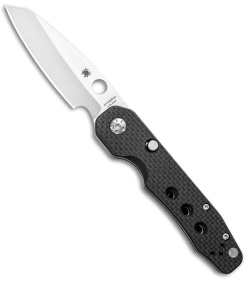
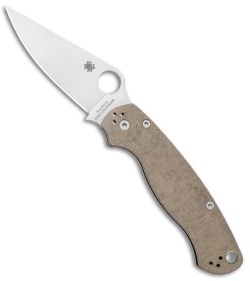
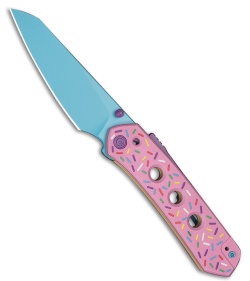
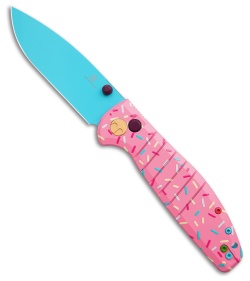
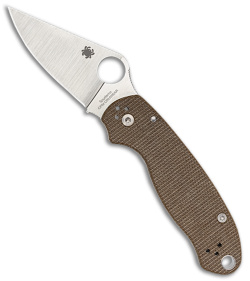
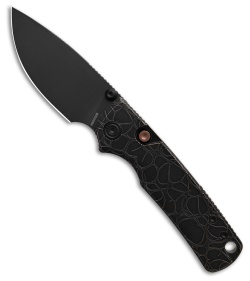
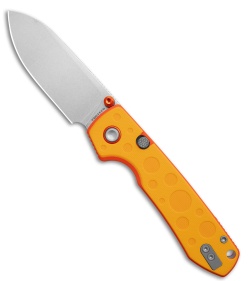
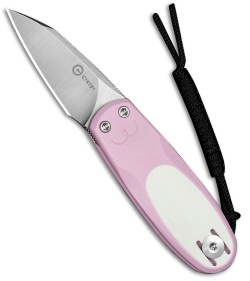
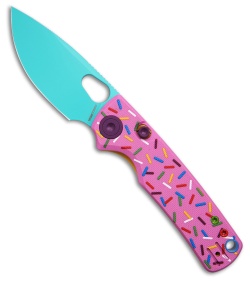
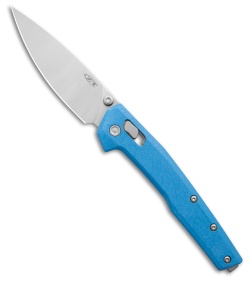
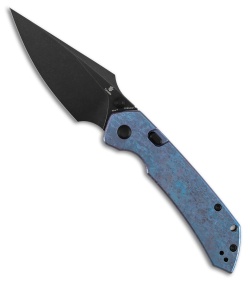
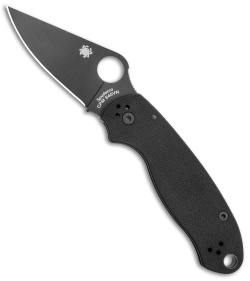
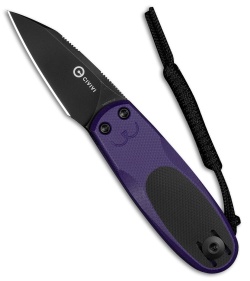
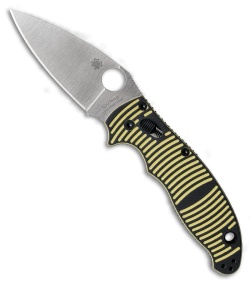
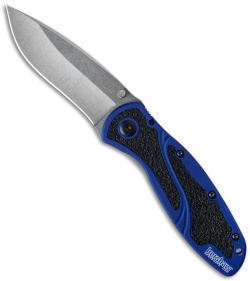
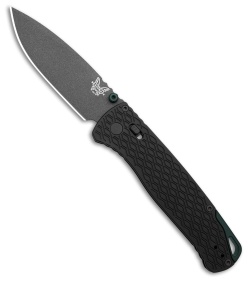
Most pocket knives are manual folders (like those seen above). If you want simple and reliable, this is the best choice.
You can narrow your search with filters, selecting the brand, lock type, blade steel, etc., that you're after.
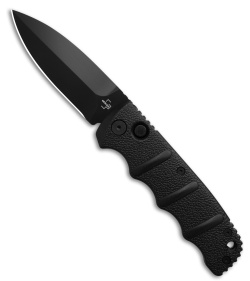
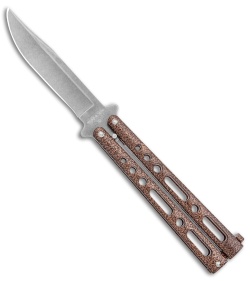
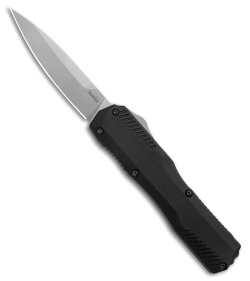
For other pocket knives like automatics, multi-tools, butterfly knives, or something else, click on one of the following categories:
To make an informed decision, you need information. You may not know which blade steel you want or which lock type is best for your situation.
To polish off your cutlery know-how and know-what, browse the following topics. Click the one that interests you to go to an article on the topic.
$100-$200 is about the sweet spot, but you can get exceptional pocket knives for as low as $50; at that price, though, you'll be making trade-offs in materials, build quality, etc.
No, you probably don't. Some knives are advertised as left-handed, and these are great for left-handed users. However, many pocket knives are perfectly operable using either hand (though you may simply need to interface with the opener/locking mechanism differently). There are, of course, some exceptions (like single-side thumb studs), so don't buy blindly!
A locking blade is usually the optimal option. Locking blades are both stronger and safer, and there's a larger variety to choose from. However, some places restrict locking blades, making non-locking knives ideal in those cases (and if you simply prefer not to have a lock).
Most people prefer a plain edge as it allows for a clean cut and simple sharpening experience. Serrations are extremely useful for cutting rope and other fibrous materials, though. Ultimately, it comes down to your personal preference.



 Copyright © 2026 Blade HQ. All rights reserved