Button Lock Knives Explained: How They Work, Pros, Cons, and Types



In This Article
Button or plunge lock knives aren’t new, but they are more popular than ever.
In this article, we’ll explain what they are, how they work, and go over some pros and cons.
What Is a Button Lock Knife
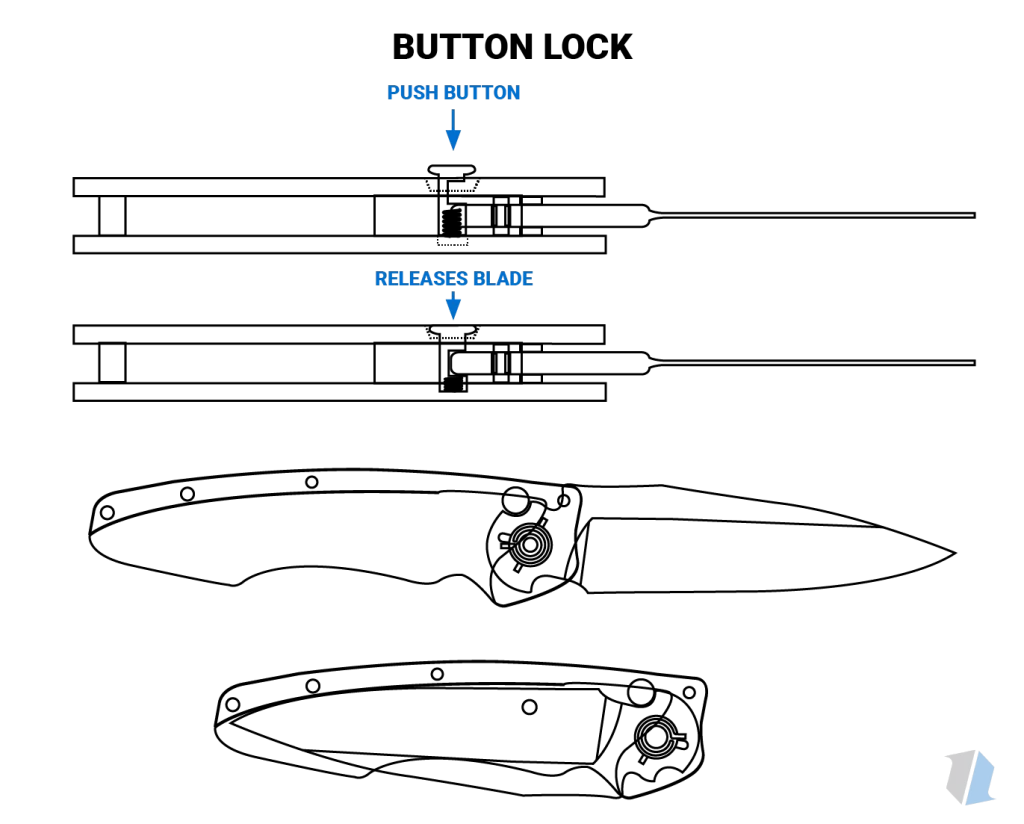
A button lock (also called a "plunge lock") is a mechanism inside some folding knives that locks the blade open during use.
The button on a button lock knife is connected to a plug-like plunger (which is where "plunge lock" comes from).
When the blade is open, a spring pushes the plunger into a notch in the blade tang, securing the knife open.
Push the button, and the plunger disengages, and the knife can close.
Types of Button Lock Knives
Manual Button Lock Knives
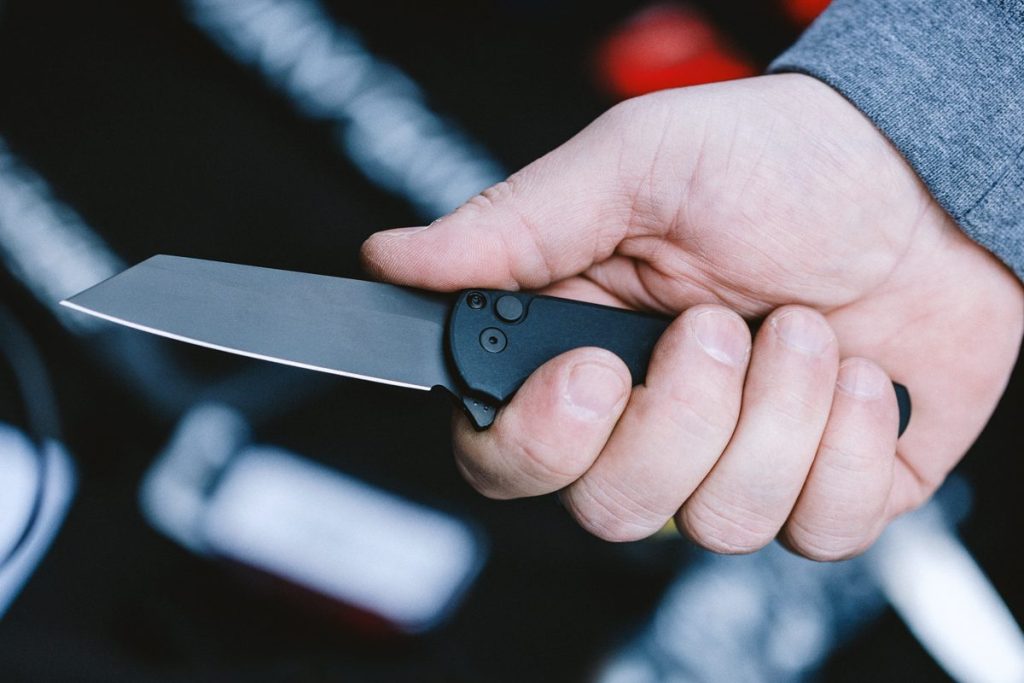
The manual button lock knife was popularized by the Pro-Tech Malibu and the CIVIVI Elementum II, though a few models came first (like the Hogue EX-01).
The Malibu was an instant success, marrying Pro-Tech‘s simple, clean design language with an extremely accessible lock.
It’s so simple: Push the button, close the blade. Anyone can do it, it’s one-hand-friendly, and a fidgeter’s dream.
Come 2020, the button lock firmly in the knife-world zeitgeist, many companies jumped on the trend, bringing countless high-quality manual button lock knives to the market.
Pros:
- Intuitive to use
- Fidget-friendly
Cons:
- Not the strongest lock type (see our knife lock types guide)
Shop Manual Button Lock Knives
Carousel
Carousel-
4.75
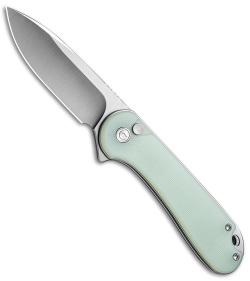 CIVIVI Elementum II Button Lock Knife Natural Jade G-10 (3" Satin) C18062P-2MSRP: $76.50Our Price: $69.99
 -
-
5
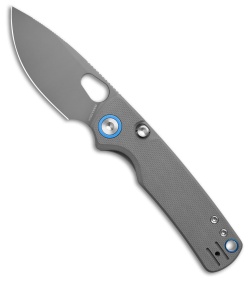
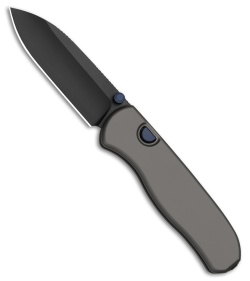 Kizer Drop Bear Zero Button Liner Lock Knife Dark Gray Al (3.1" Matte DLC Elmax)MSRP: $152.88Our Price: $129.95
Automatic Button Lock Knives
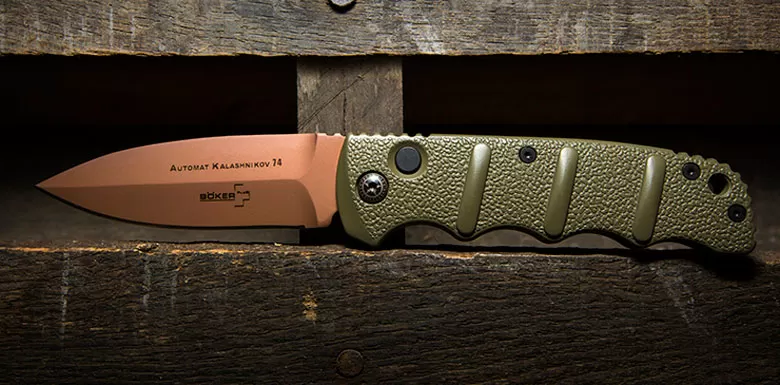
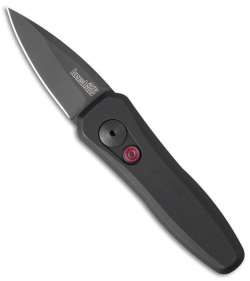
Though manual button lock knives have been all the rage for a few years, it all started with automatic knives.
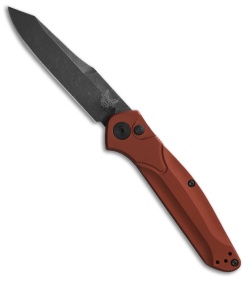
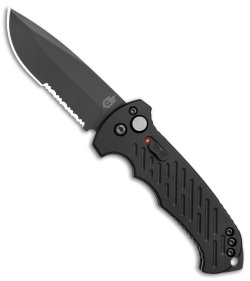
For automatic button lock knives, the lock secures the blade open and closed, since the blade is spring-loaded.
Push the button, and the blade opens automatically; to close it, you’ll have to fight the blade spring until the lock re-engages.
Pros:
- Intuitive to use
- Opens reliably
Cons:
- Requires a strong grip
- More difficult to close
- Not the strongest lock type (see our knife lock types guide)
Shop Automatic Button Lock Knives
Carousel
Carousel-
4.5
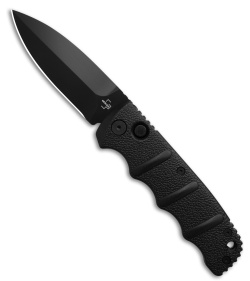 Boker Kalashnikov Dagger Automatic Knife Black Aluminum (3.25" Black D2)MSRP: $79.95Our Price: $54.95
 -
4.5
-
4.75
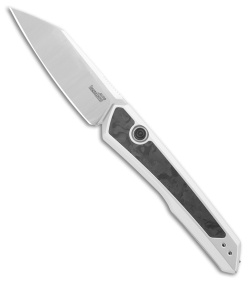 Kershaw Launch 20 MagnaCut Automatic Knife Raw Aluminum + CF (3" Satin) 7050MSRP: $239.99Our Sale Price: $124.99!
 -
4.75
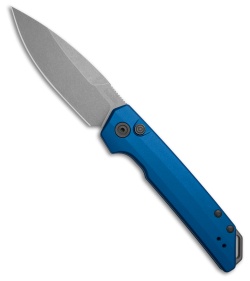 Kershaw Launch Iridium MagnaCut Automatic Knife Blue Aluminum (3.5" SW)MSRP: $279.99Our Price: $179.95
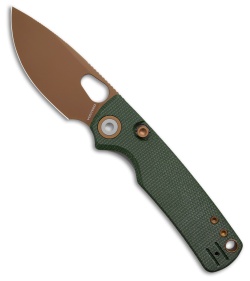
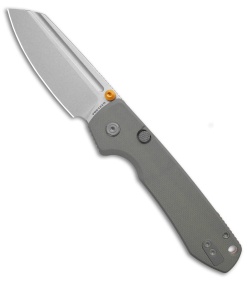
Button-Actuated Top Liner Lock Knives
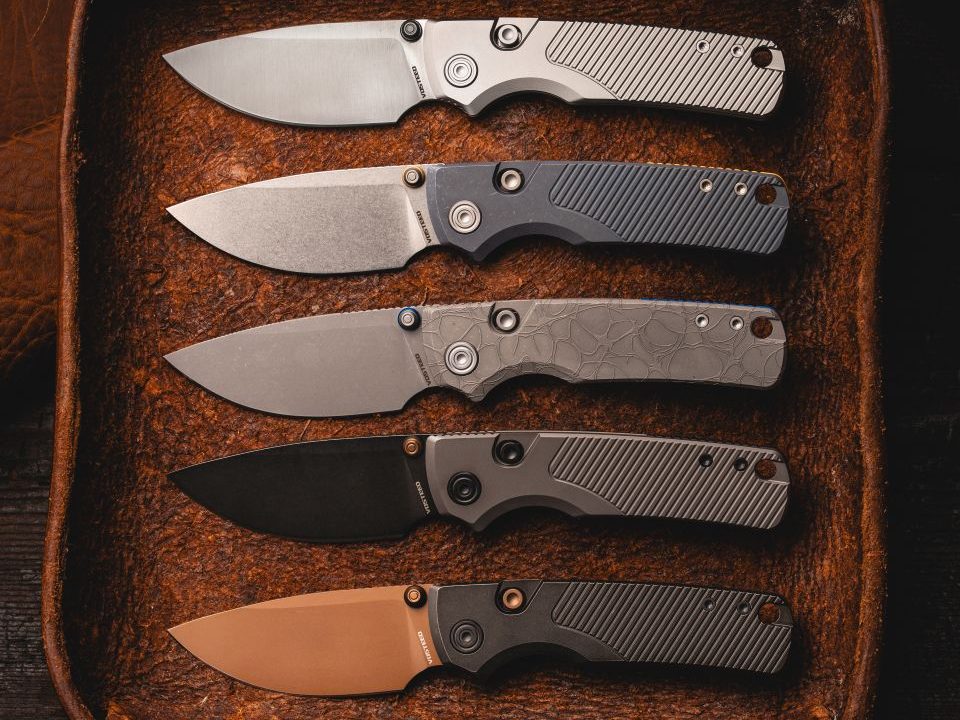
Not all knives with buttons are button lock knives.
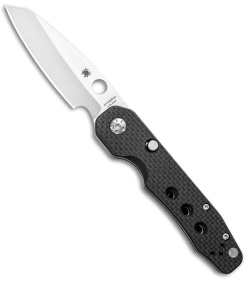
For example, the Spyderco Smock and the Vosteed Porcupine, despite having buttons, are not button lock knives since they use a different locking mechanism.
In 2026, the top liner lock is what people are talking about.
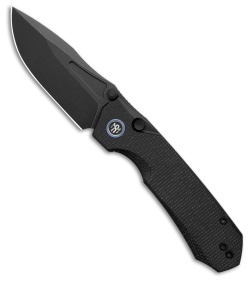
Companies like Vosteed, Kizer, and REMETTE built a version of the lock that has a button, making it super easy to use.
Pros:
- Intuitive to use
- Fidget-friendly
Cons:
- Somewhat complex to manufacture
Button-Actuated Top Liner Lock Knives
Carousel
Carousel-
4.75
-
-
 Vosteed Porcupine Top Liner Lock Knife Green Micarta (3" Copper Dune)MSRP: $81.00Our Price: $69.00
 -
5
Kizer Drop Bear Zero Button Liner Lock Knife Dark Gray Al (3.1" Matte DLC Elmax)MSRP: $152.88Our Price: $129.95
FAQ
What is the difference between a button lock and a pivot lock?
A traditional button lock uses a plunger positioned behind the blade pivot to engage the tang. A pivot lock integrates its locking and release components into the pivot itself, placing the button directly at the blade’s rotational axis.
Is a top liner lock stronger than a traditional button lock?
While it’s not universal, a well-made top liner lock is generally stronger than a well-made button lock. But for most use cases, either lock type is stronger than you’ll likely need.
What is the difference between a button lock and a button-actuated top liner lock?
A traditional button lock uses a spring-loaded plunger to secure the blade. A button-actuated top liner lock uses a separate lock bar near the handle’s spine (like a Compression Lock); the button makes it easier to move the bar.
What’s the difference between a button lock and a plunge lock?
Plunge lock is another name for button lock. "Plunge lock" refers to the internal plunger mechanism which locks the blade, and "button lock" describes its external user interface.
Do button locks wear out?
Button locks can wear where the plunger contacts the blade tang. Quality materials and properly designed engagement surfaces distribute that wear, but excessive fidgeting, contamination or poor geometry can accelerate it.
Can you open a manual button lock by holding the button down?
Many manual button locks can be swung open while the button is held, although this depends on the knife’s action and closed-blade retention.
Why does my button lock stick?
Button stick occurs when the plunger binds against the blade tang under pressure. Minor stick may improve as the contact surfaces break in, but severe or worsening stick may indicate contamination, poor geometry or a manufacturing issue.


 Copyright © 2026 Blade HQ. All rights reserved