





Knife Blade Shapes Guide: Every Blade Shape and What It’s For


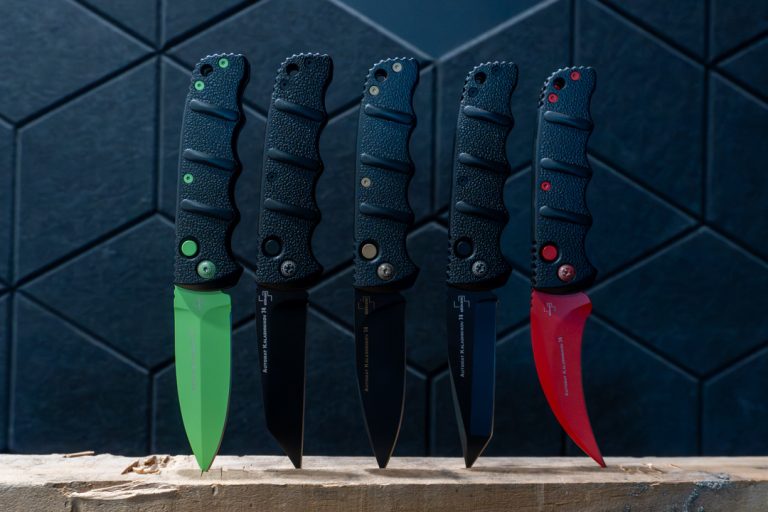
Knives come in all shapes and sizes. Some look boringly familiar; others look straight out of an edgy teenager’s college-ruled notebook. But no matter what your scout leader told you, every blade shape has a purpose. In this article, I’ll break down every major blade style, what they’re good for, what they’re not so good for, and who might want one. Let’s jump right in!
Blade Shapes
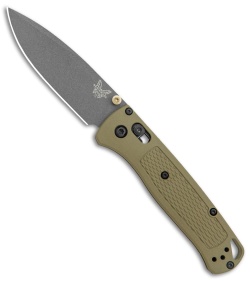
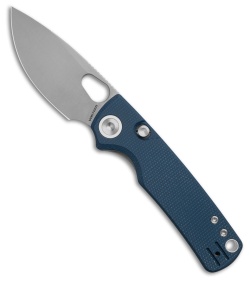
Drop Point
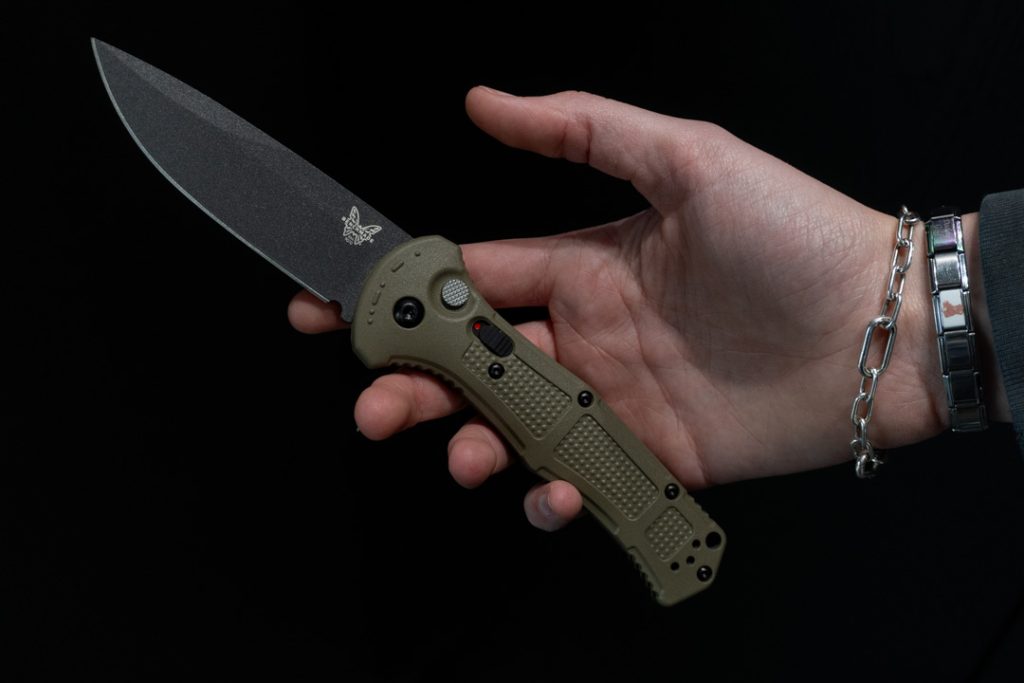
Description: A simple blade style where the spine of the blade "drops" a little to meet the tip. Easily the most popular blade style, found on knives of every kind.
Pros:
- Good tip strength
- Good mix of curved and straight edge
- Very versatile, can do all kinds of work
Cons:
- Thick tip isn’t optimized for piercing
- Curved edge section can be tricky to sharpen
Shop Drop Point Knives
Carousel
Carousel-
2
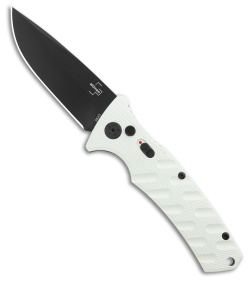 Boker Strike Drop Point Automatic Knife Imperial White (3.25" D2 Black)MSRP: $84.95Our Price: $69.95
Tanto
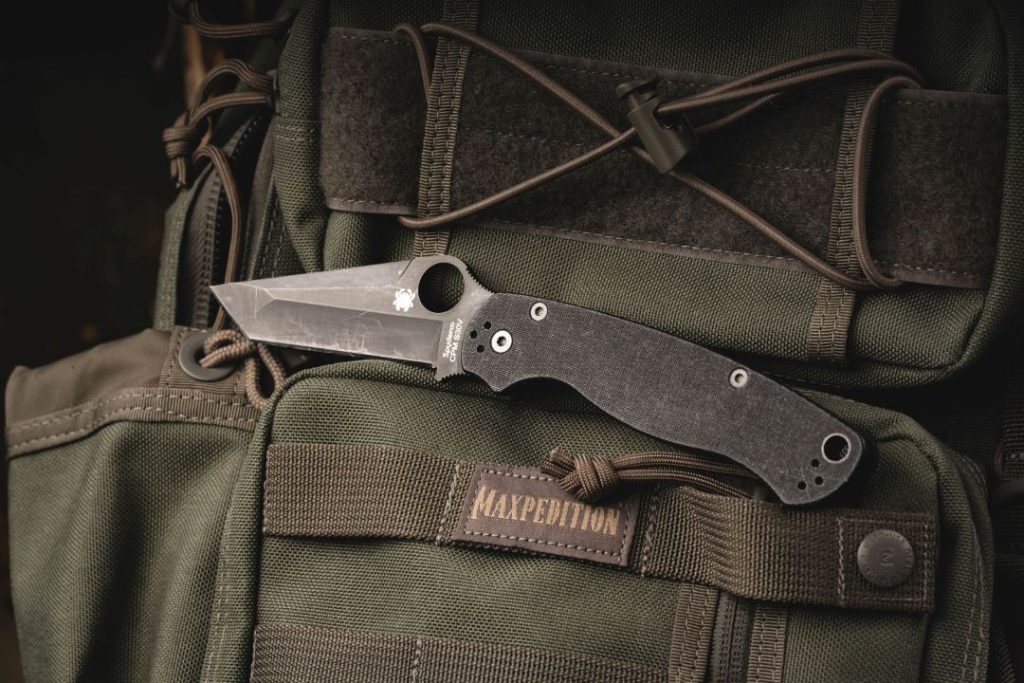
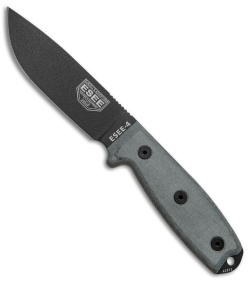
Description: Characterized by two points – one at the front of the blade, another just before the tip. Popular on tactical and hard-working knives.
Pros:
- Superb tip strength
- Great for stabbing and dragging cuts
- Straight edges make sharpening easy
Cons:
- Makes jagged cuts
- Looks like it was rendered in PS1 graphics
Shop Tanto Knives
Carousel
Carousel-
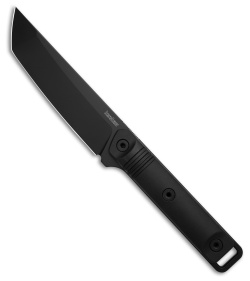 Kershaw Atreides Fixed Blade Knife Black Polypropylene (5.7" Black) 1088MSRP: $84.99Our Price: $59.95
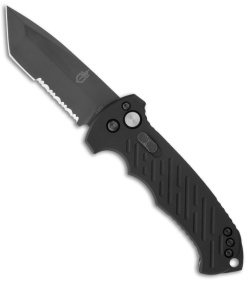
Sheepsfoot
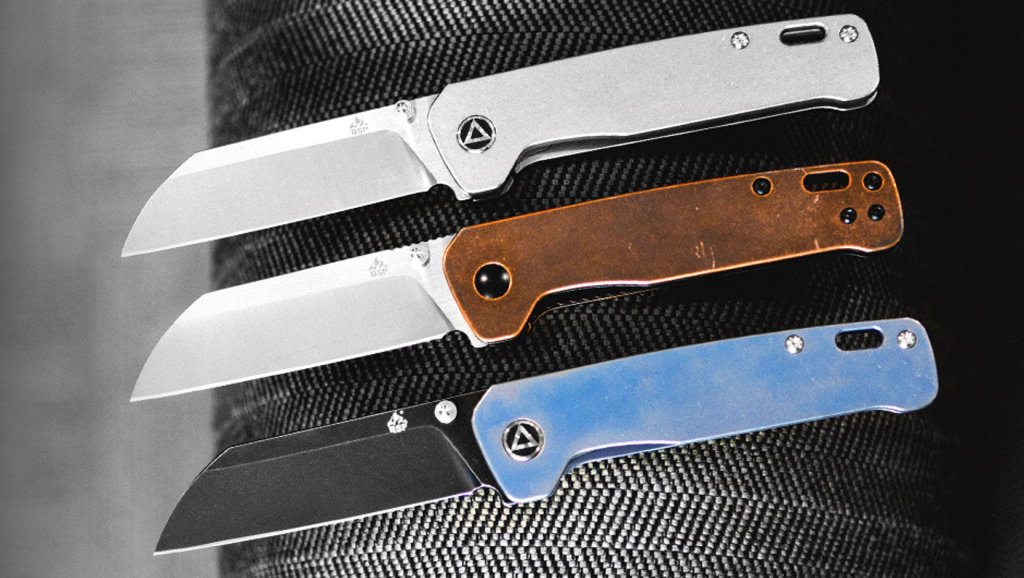
Description: A mostly straight edge ending in a blunt tip with a sharp curve in the spine. Kind of resembles the side-profile of a sheep’s hoof, hence the name. Common on EDC knives and some kitchen knives.
Pros:
- Very easy to sharpen
- Straight edge excels at push cuts
- Rounded tip makes it safer to use
Cons:
- Poor piercing performance
- Heavy towards the tip
Shop Sheepsfoot Knives
Carousel
Carousel-
5
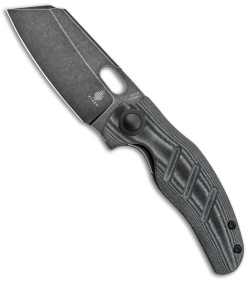 Kizer Vanguard C01C Sheepdog Thumb Hole Knife Black Micarta (3.25" Black SW)MSRP: $112.00Our Sale Price: $79.99!
 -
3.5
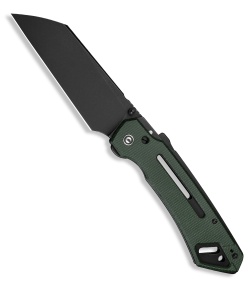 CIVIVI Buster FG Superlock Knife Green Canvas Micarta (4.2" Black SW)MSRP: $117.60Our Price: $99.96
 -
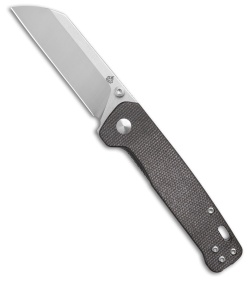
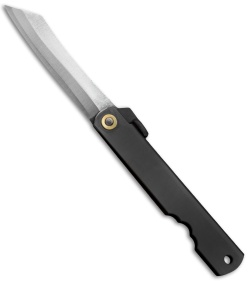
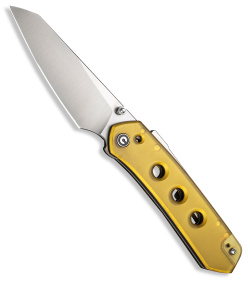
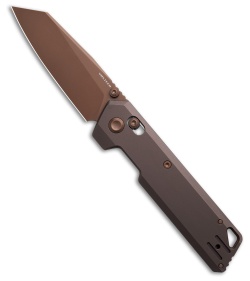
Reverse Tanto
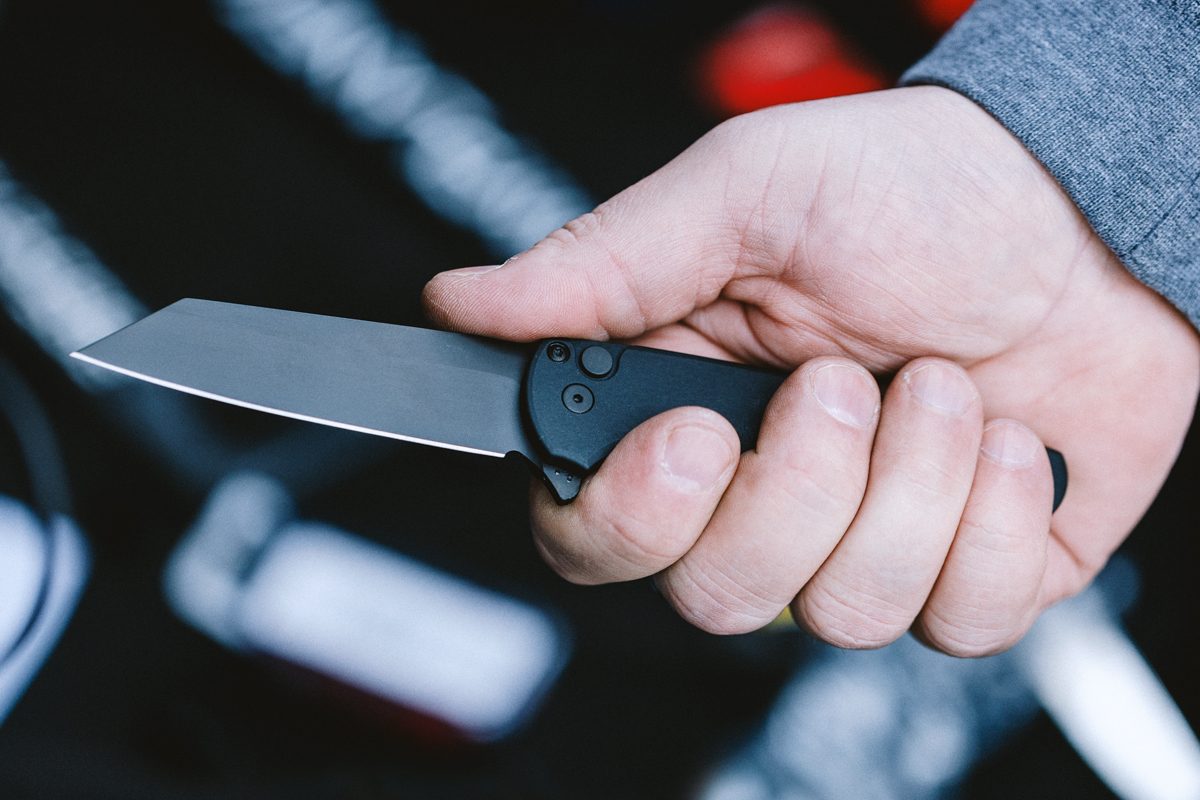
Description: Straight edge and straight spine with abrupt angled cut near the tip, sort of like a tanto, but sharpened along the opposite side. Most popular on EDC knives.
Pros:
- Very easy to sharpen
- Straight edge great for push cuts
- Great tip strength
Cons:
- Straight edge struggles with clean slicing
- Heavy towards the tip
Shop Reverse Tanto Knives
Carousel
Carousel-
-
4.5
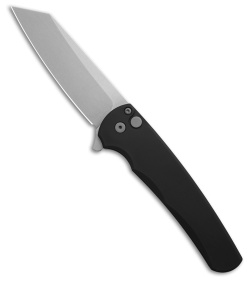 Pro-Tech Malibu MagnaCut Button Lock Knife Black Aluminum (3.25" Stonewash)MSRP: $290.00Our Price: $225.00
 -
4.25
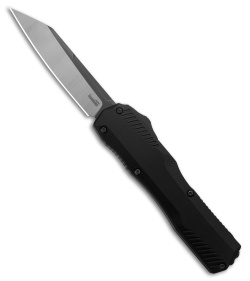 Kershaw Livewire Reverse Tanto OTF Automatic Knife Black (3.4" Black SW) 9000RMSRP: $400.00Our Price: $259.95
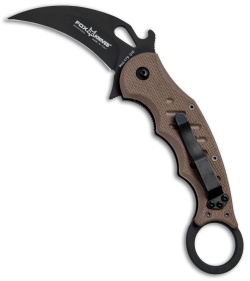
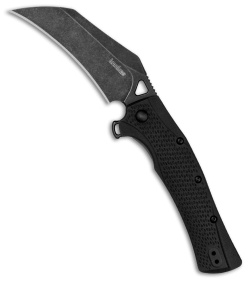
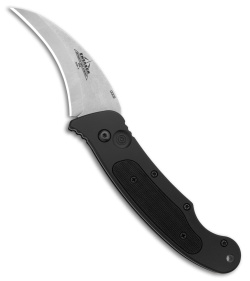
Hawkbill
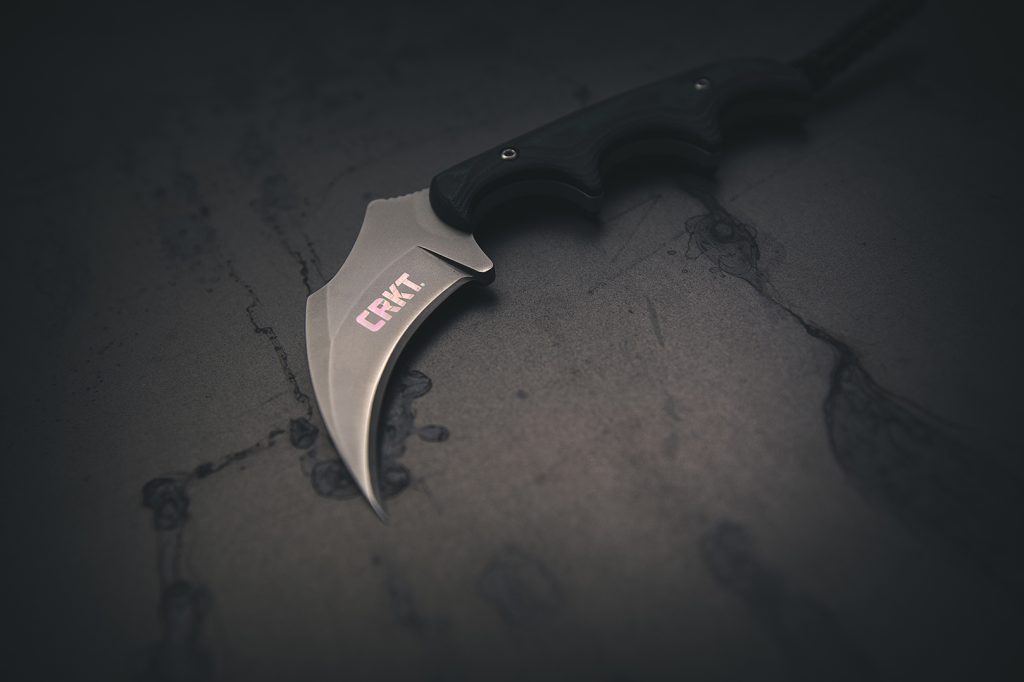
Description: A sharp inward curve in the edge with a needle-like tip. Found on utility, agricultural, and tactical knives.
Pros:
- Easily gathers and shears material
- Cuts deep and fast, great for self-defense
- Excellent piercing performance
Cons:
- Difficult to sharpen
- Fragile tip
Shop Hawkbill Knives
Carousel
Carousel-
5
-
-
5
 Kershaw Dawnstar Karambit Assisted Knife Black GFN (3.5" Black Stonewash)MSRP: $54.99Our Price: $39.95
Kukri
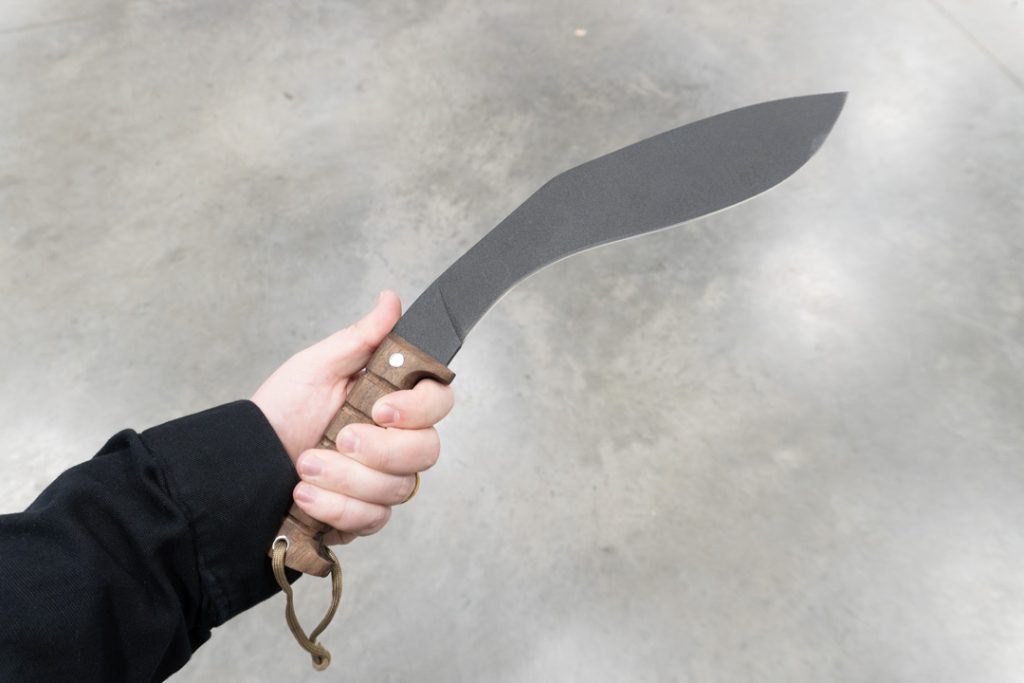
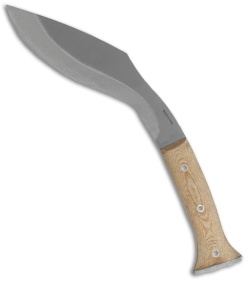
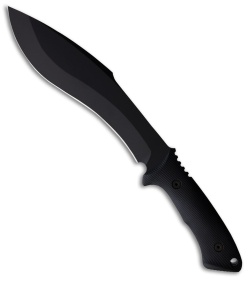
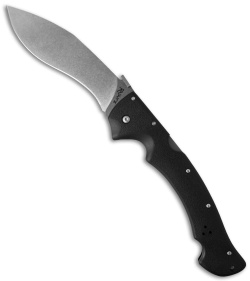
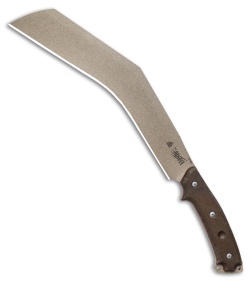
Description: An inward curve ending with a steep outward curve, with a boomerang-shaped curve in the spine. Most common on large fixed blades.
Pros:
- Heavy tip chops really well
- Great tip strength
- Curved belly has good slicing performance
Cons:
- Broad blade is rather heavy
- Tricky to sharpen
Shop Kukri Knives
Carousel
Carousel-
5
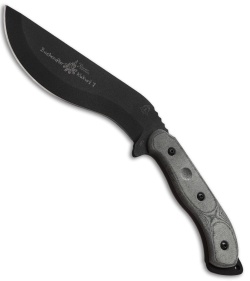 TOPS Knives Bushcrafter Kukuri 7.0 Fixed Blade Knife (7.75" Black) BKUK-01MSRP: $344.95Our Price: $249.95
 -
-
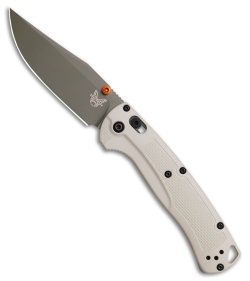
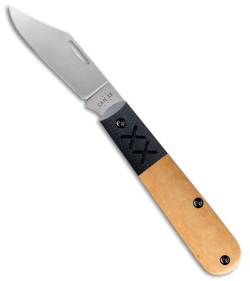
Clip Point
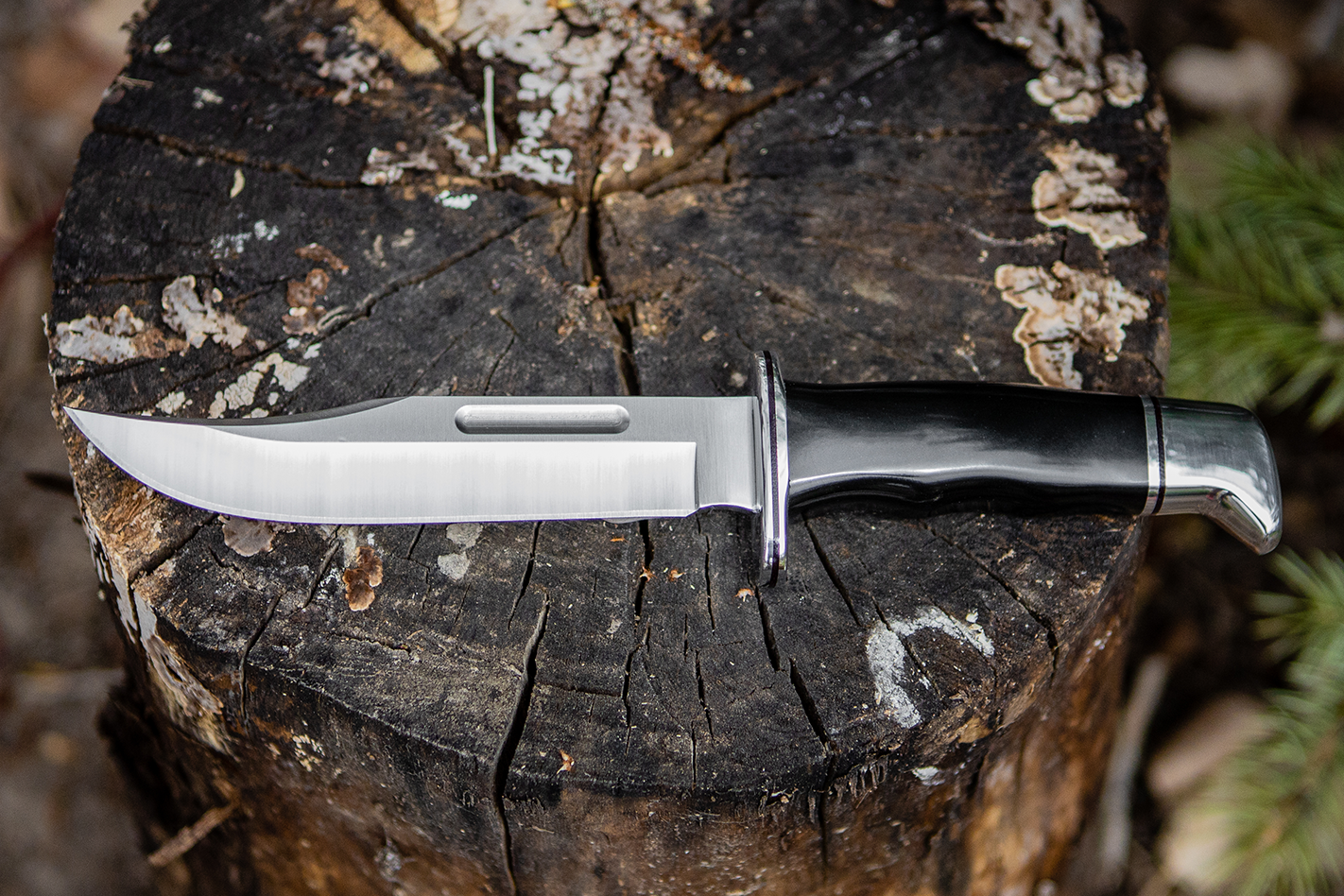
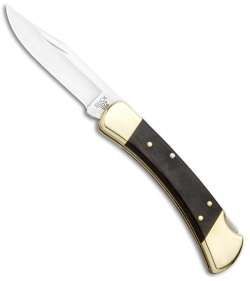
Description: Sections of straight and curved edge with a straight spine and an abrupt cut toward the tip, almost as if it had been "clipped." Common on many kinds of knives.
Pros:
- Great piercing performance
- Simple blade shape does many jobs
- Looks great, makes you feel like a cowboy
Cons:
- Fragile tip
- Deep curves in edge can be hard to sharpen
Shop Clip Point Knives
Carousel
Carousel-
4.75
-
5
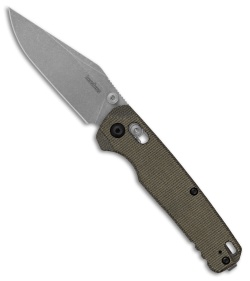 Kershaw Bel Air Clip Point MagnaCut DuraLock Knife Canvas Micarta (3.1" SW)MSRP: $249.99Our Price: $159.95
Dagger
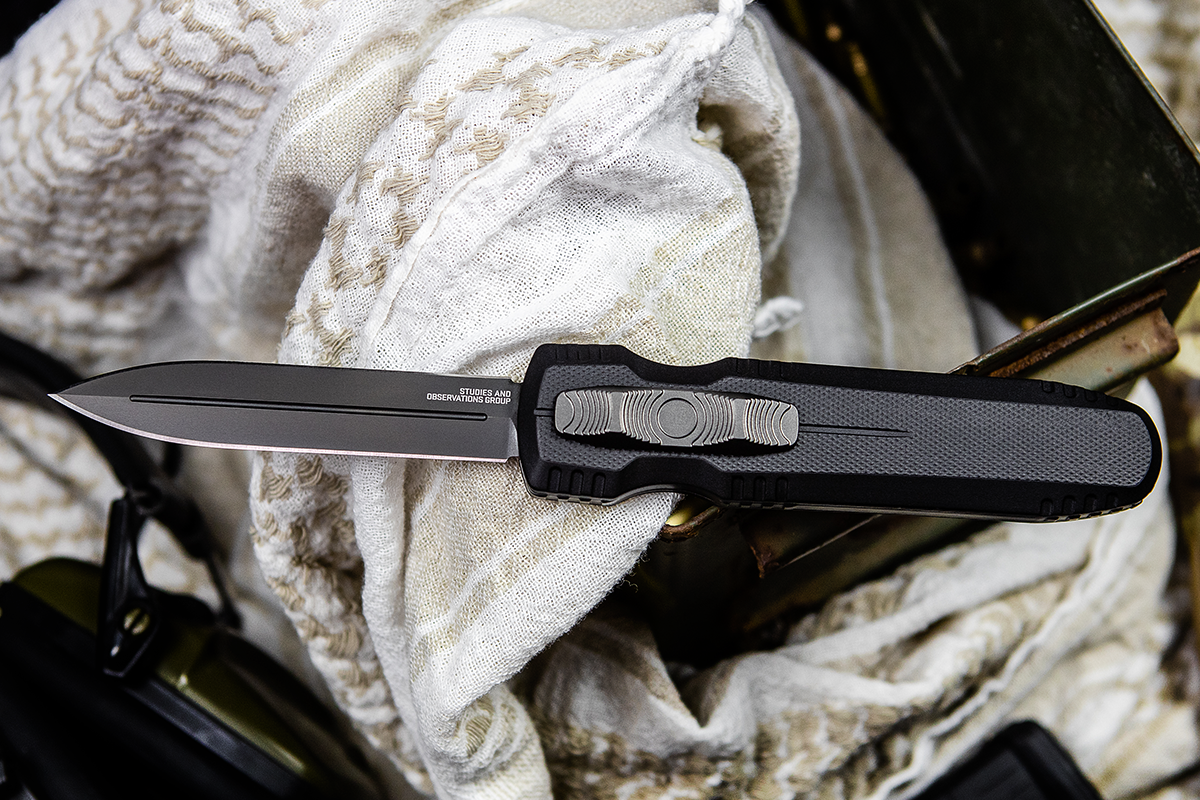
Description: A symmetrical blade with two grinds, and sometimes even two edges. Found mostly on tactical knives.
Pros:
- Excellent piercing performance
- Two edges means twice the edge retention
- Two grinds reduce weight
Cons:
- Illegal in some places
- You can’t rest your thumb on the spine
Shop Dagger Knives
Carousel
Carousel-
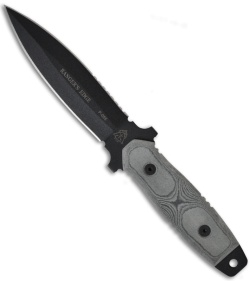 TOPS Knives Rangers Edge D/E Fixed Blade Knife w/ Micarta (Black SER) RE3010MSRP: $270.00Our Price: $192.95
 -
4.75
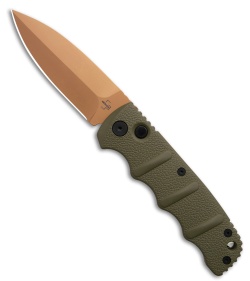 Boker Desert Warrior Kalashnikov Dagger Automatic Knife OD Green (3.3" D2)MSRP: $79.95Our Price: $54.95
 -
4.5
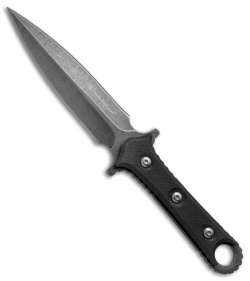 Smith & Wesson SWF606 D/E Fixed Blade Boot Knife Black G-10 (4.5" Black SW)MSRP: $47.95Our Price: $34.95
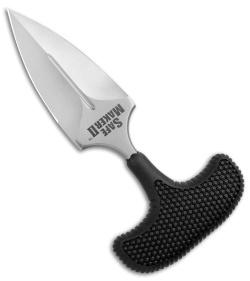
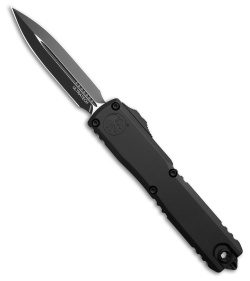
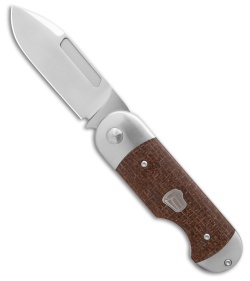
Spear Point
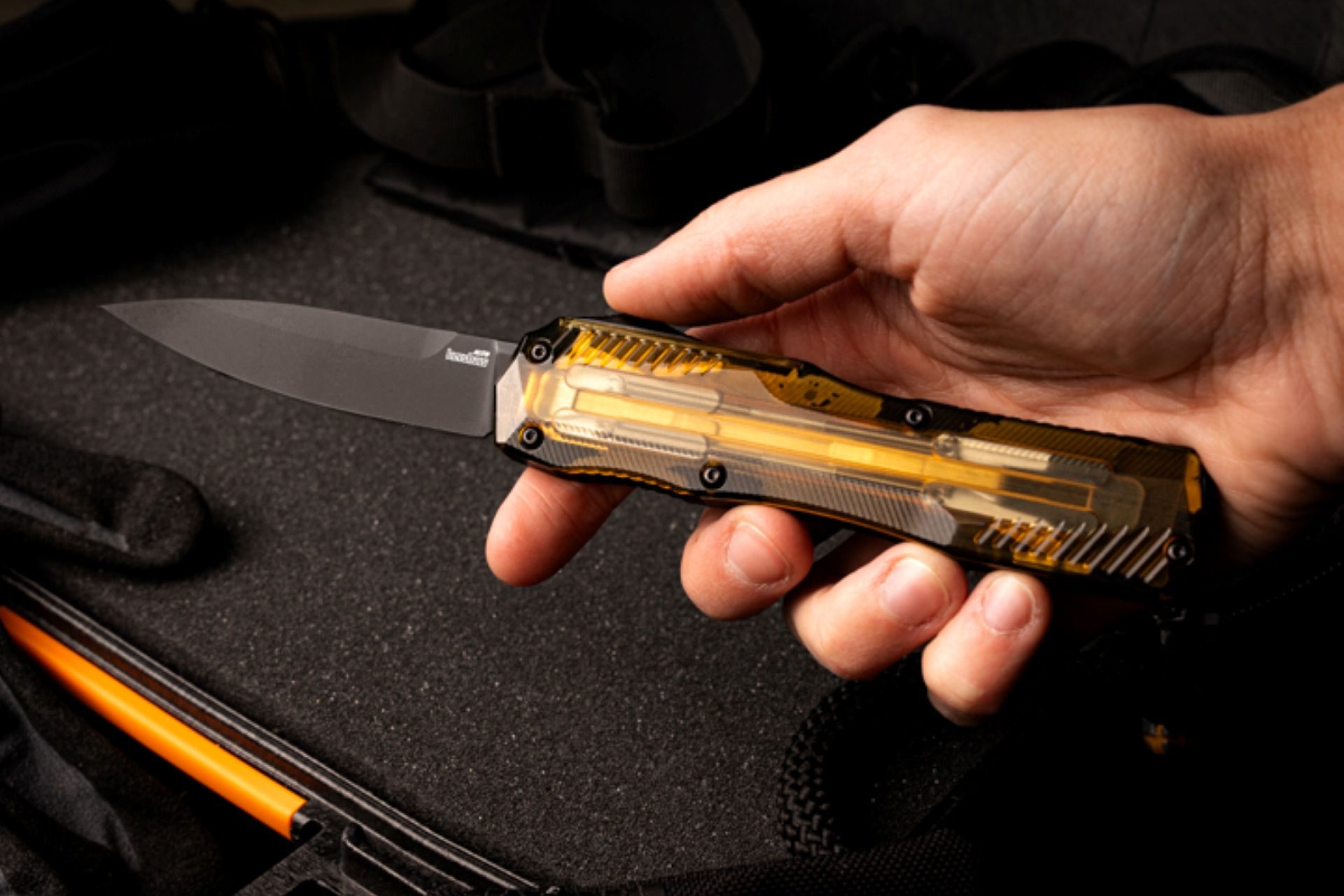
Description: A symmetrical, or at least almost symmetrical, blade profile with only one grind. Found on all kinds of knives.
Pros:
- Perfectly indexted tip is easy to control
- Excellent for piercing cuts
- Clean lines are aesthetically pleasing
Cons:
- Tip is a bit fragile
- Which side is sharp isn’t always clear
Shop Trailing Point Knives
Carousel
Carousel-
4.5
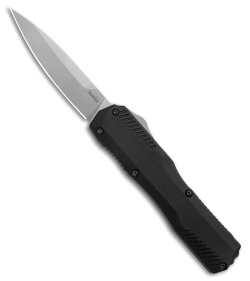 Kershaw Livewire MagnaCut D/A OTF Automatic Knife Black (3.4" Stonewash) 9000MSRP: $380.00Our Price: $249.95
 -
5
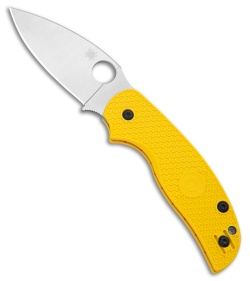 Spyderco Sage 5 Lightweight Salt Compression Lock Knife Yellow FRN (3" Satin)MSRP: $280.00Our Price: $210.00
Trailing Point
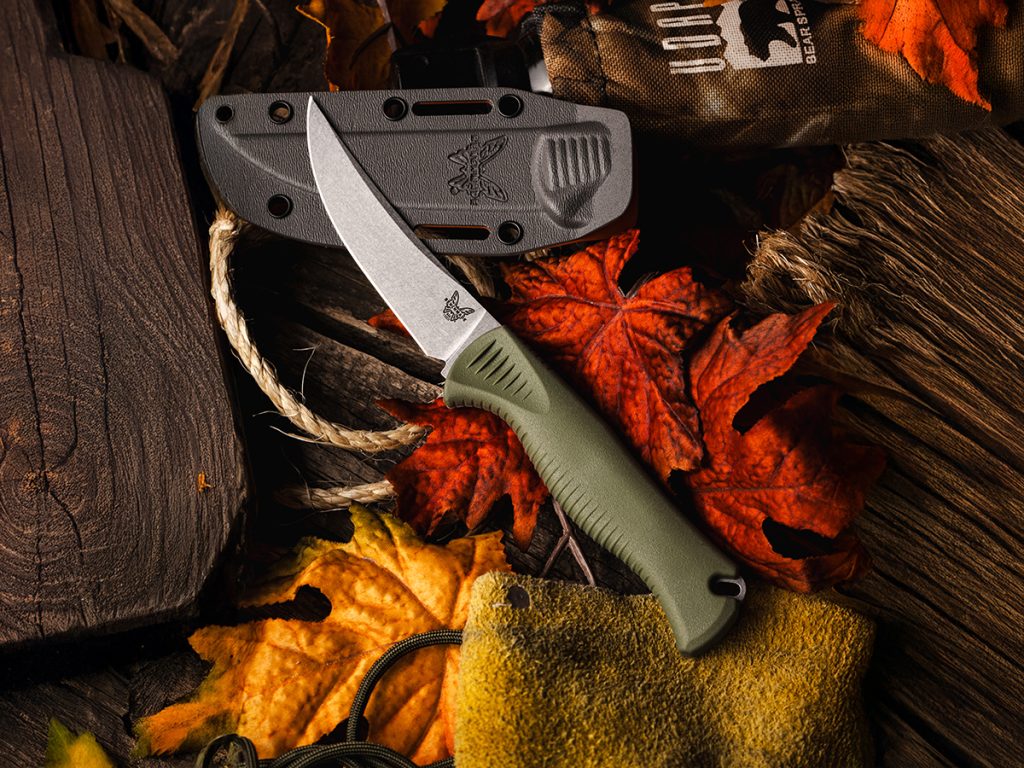
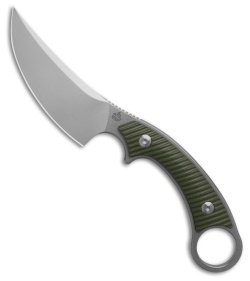
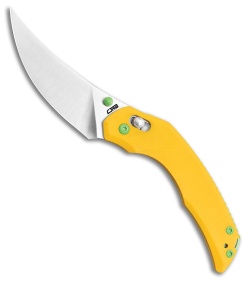
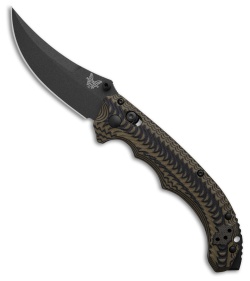
Description: A deeply curved edge with a tip with an inward curve in the spine. Common on fishing and hunting knives.
Pros:
- Deep belly in the edge is great for slicing
- Very sharp tip for precise work
- Curved edge allows you to cut against a board
Cons:
- Tip can be hard to access when piercing
- Extreme trailing points can be hard to control
Shop Trailing Point Knives
Carousel
Carousel-
3
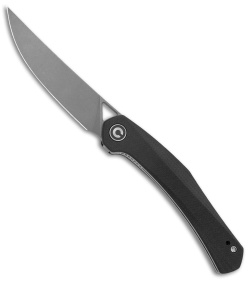 CIVIVI Lazar Liner Lock Knife Black G-10 (3.3" SW) C20013-1DiscontinuedMSRP: $70.00Our Sale Price: $39.99!
 -
4.25
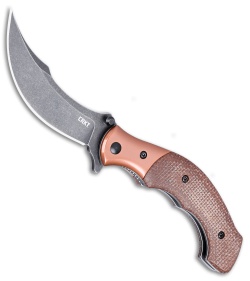 CRKT Ritual Compact Assisted Opening Knife Brown Micarta (3.3" Black SW)MSRP: $125.00Our Price: $94.95
 -
-
Standard
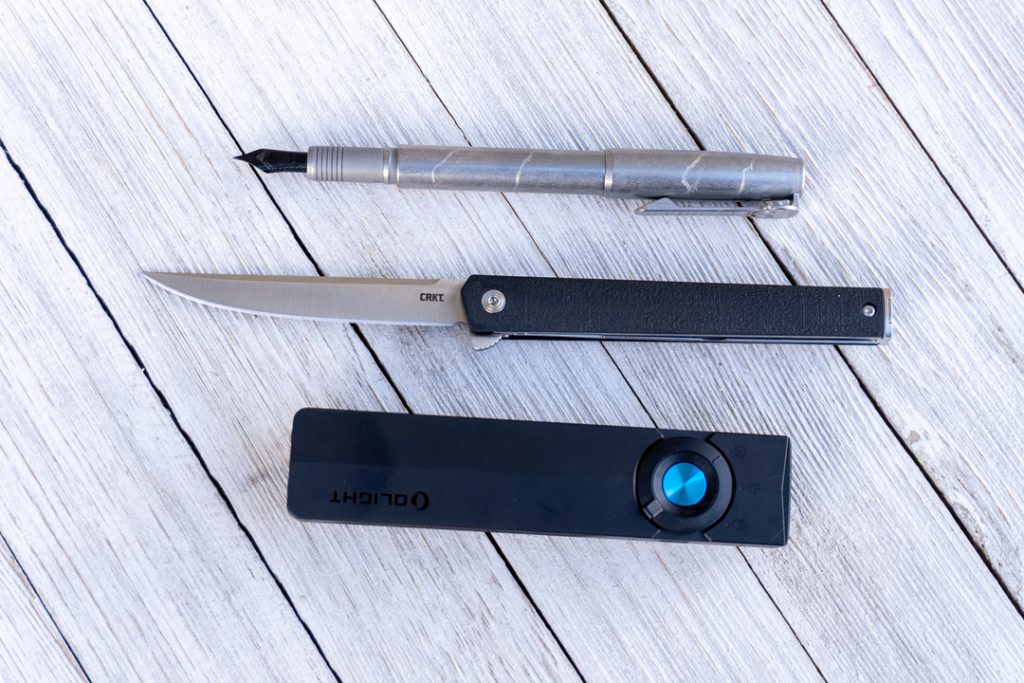
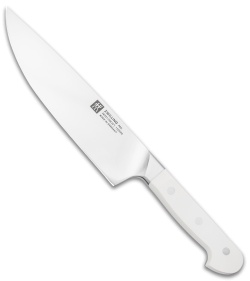
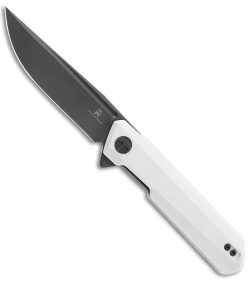
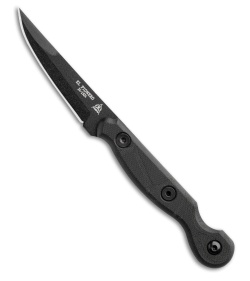
Description: A straight spine with a curved edge that rises to meet it. Very popular in chef’s knives.
Pros:
- Curved edge great for slicing
- Easy to sharpen
- Easy to access to the tip
Cons:
- Tip can be delicate
- Kind of boring
Shop Standard Blade Knives
Carousel
Carousel-
-
-
3.5
-
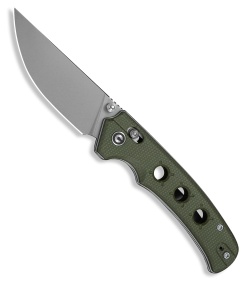 CIVIVI Noctis Crossbar Lock Knife Olive Canvas Micarta (2.98" Stonewash)MSRP: $70.00Our Price: $59.50
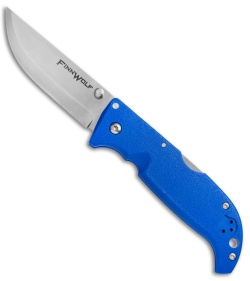
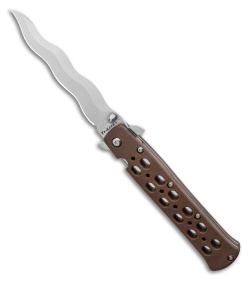
Kris
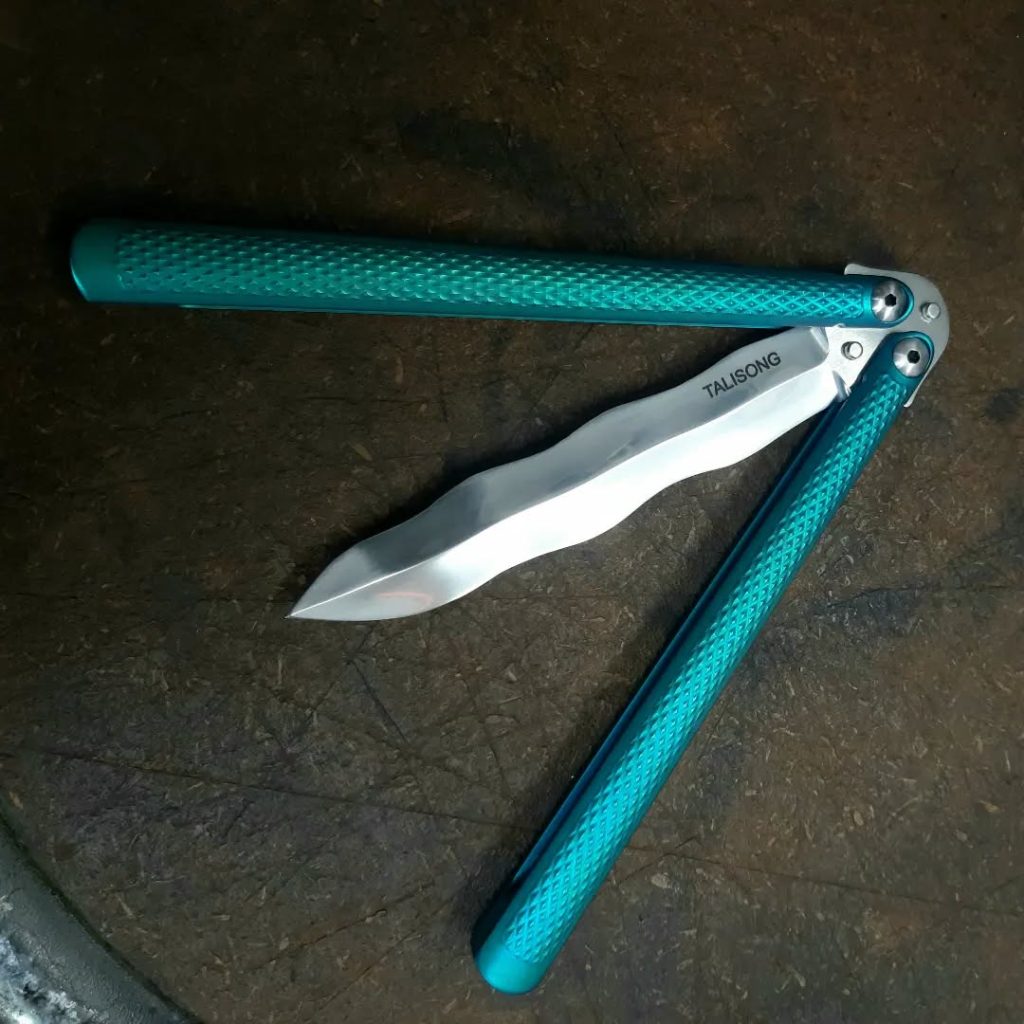
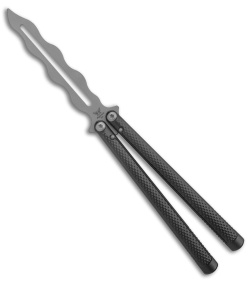
Description: A blade with multiple inward and outward curves, making a squiggly, snake-like blade style. Found mostly on custom and ornamental knives.
Pros:
- Looks really cool
- Bumpy edge cuts kind of like serrations
- Solid stabbing performance
Cons:
- Difficult and expensive to make
- Extremely hard to sharpen
Shop Kris Knives
Carousel
Carousel-
5
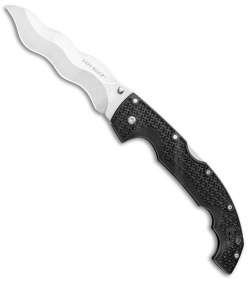 Cold Steel Kris Voyager Tri-Ad Lock Knife (5.5" Stonewash AUS-10A) 29AXWMSRP: $138.95Our Price: $99.95
 -
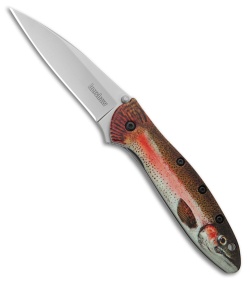
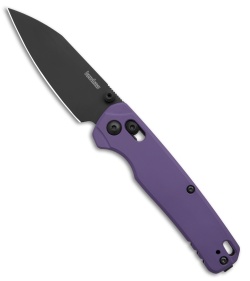
Wharncliffe
Description: A straight edge with a mostly straight spine that drops toward the tip, forming a sharp point. Found mostly on EDC knives.
Pros:
- Great piercing performance
- Very easy to sharpen
- Excels at push cuts
Cons:
- Fragile tip
- Not much belly for slicing
Shop Wharncliffe Knives
Carousel
Carousel-
4.75
 Kershaw Leek Assisted Opening Knife Rainbow Trout (3" Bead Blast) 1660TROUTMSRP: $124.99Our Price: $79.95
 -
 Kershaw Bel Air MagnaCut DuraLock Knife Purple Aluminum (3.1" Black)MSRP: $249.99Our Price: $159.95
Spay
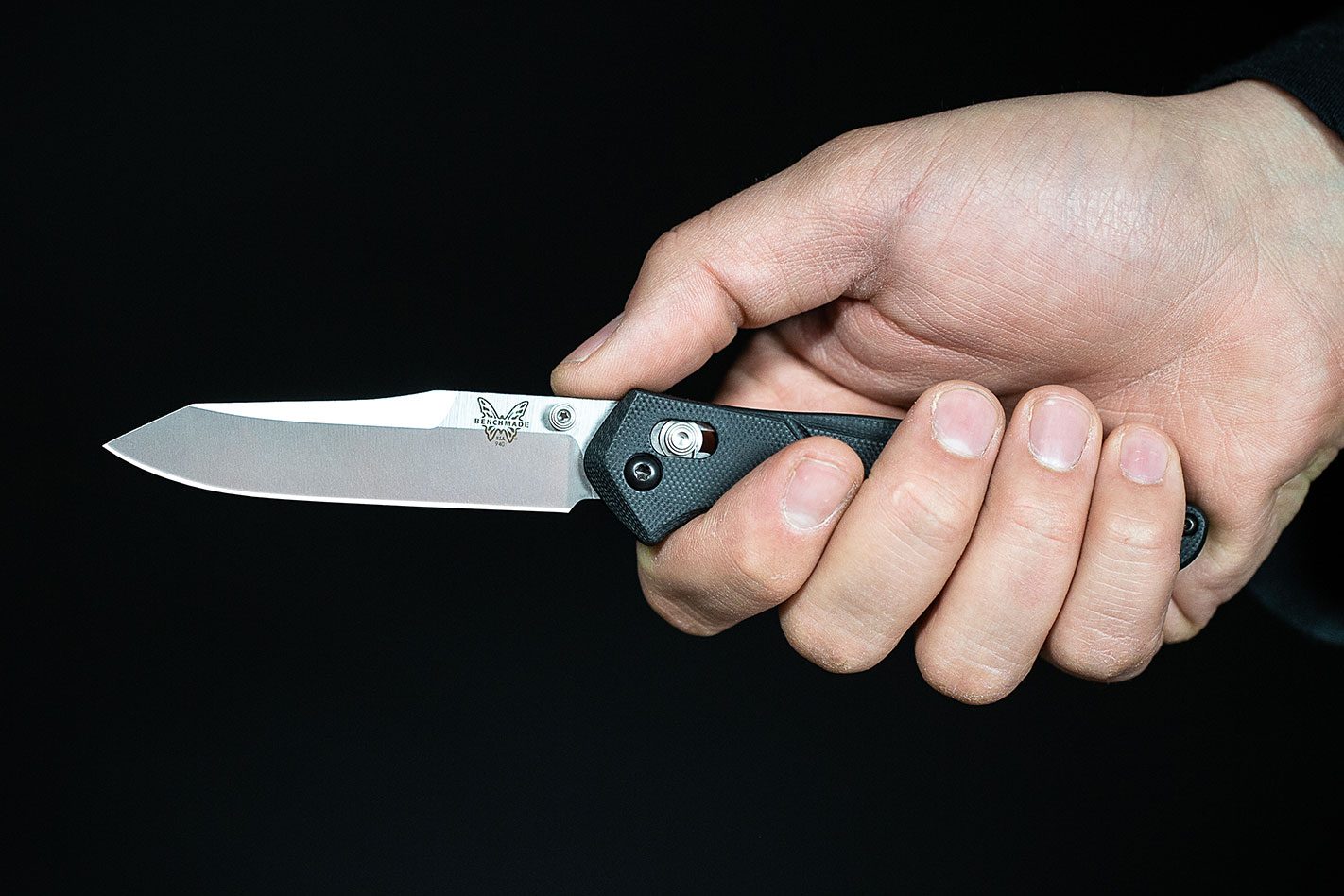
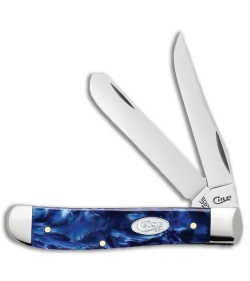
Description: A long section of straight edge with an abrupt curve near the tip that meets an equally abrupt clip point. Common in traditional pocket knives. You’ll never guess what it was made for.
Pros:
- Straight edge is great for push cuts
- Curved section makes clean slicing cuts
- Great tip strength
Cons:
- Not great for piercing cuts
- Abrupt curve can be hard to sharpen
Shop Spay Blade Knives
Carousel
Carousel-
-
4.75
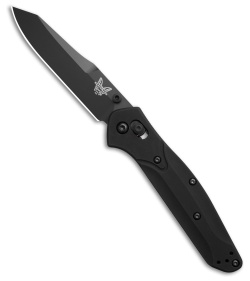
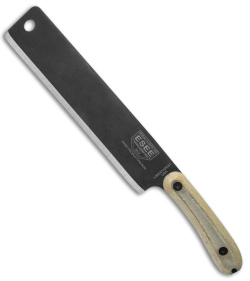
Cleaver
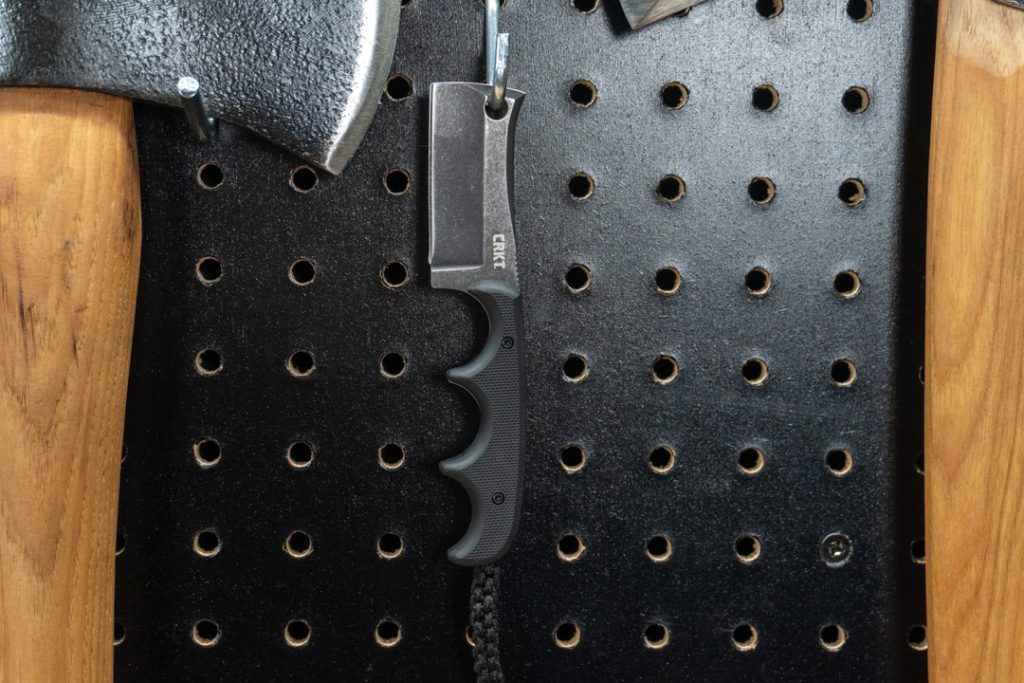
Description: A chunky rectangular blade with lots of weight towards the tip. Common in heavy chopping knives.
Pros:
- Heavy blade profile is great for chopping
- Straight edge is easy to sharpen
- Stout blade can take a beating
Cons:
- No tip for piercing
- Often too heavy to carry comfortably
Shop Cleaver Knives
Carousel
Carousel-
4.75
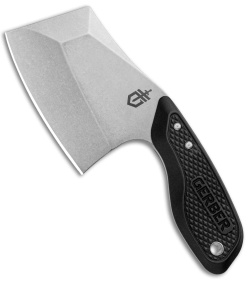 Gerber Tri-Tip Mini Cleaver Fixed Blade Knife Black Al (2" Black)MSRP: $45.00Our Sale Price: $19.99!
 -
4.5
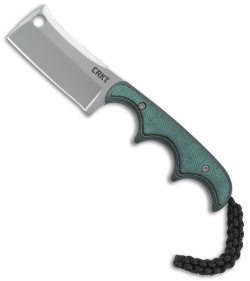 CRKT Folts Minimalist Cleaver Neck Knife Green (2.13" Bead Blast) 2383MSRP: $44.99Our Price: $36.95
 -
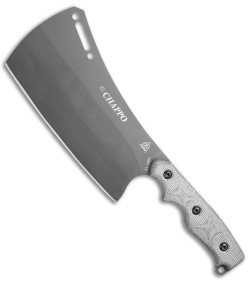 TOPS El Chappo Cleaver Fixed Blade Knife Sniper Gray (6" Acid Rain)MSRP: $199.95Our Price: $165.95
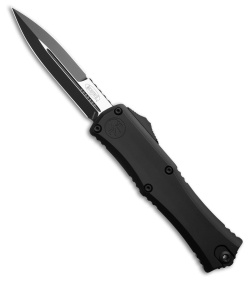
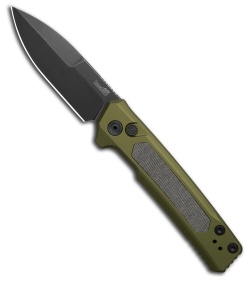
Bayonet
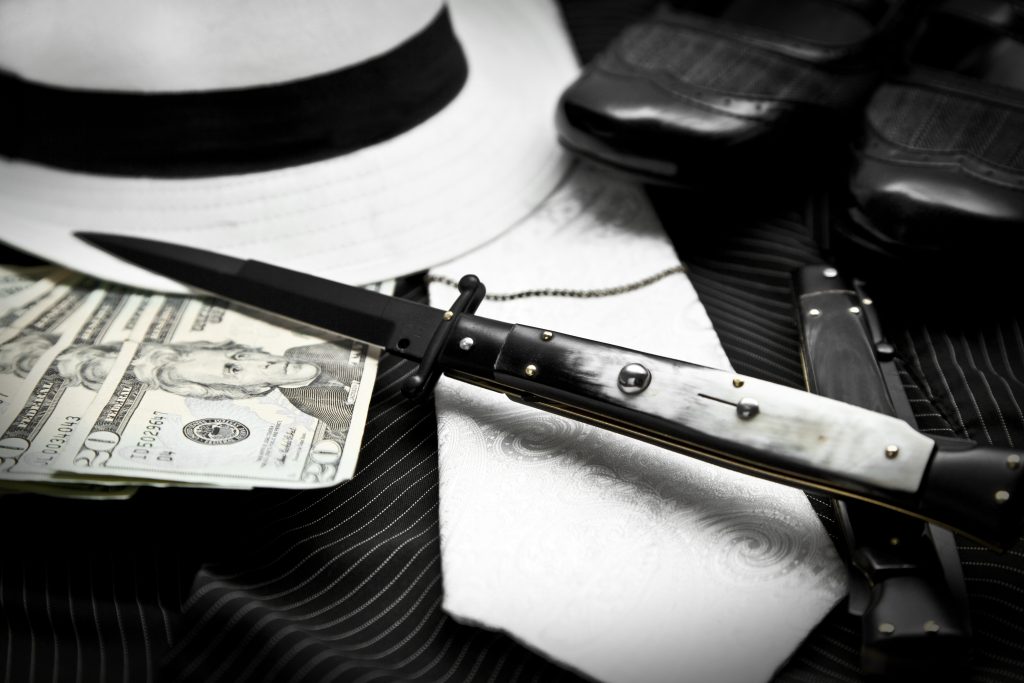
Description: A symmetrical blade with a partial grind on the top side, sometimes partially double edged. Popular option for tactical knives.
Pros:
- Great piercing performance
- Partial top grind allows for thumb placement
- Weighted toward the handle for nimble cutting
Cons:
- Top edge can be tricky to sharpen
- Illegal in some places
Shop Bayonet Knives
Carousel
Carousel-
5
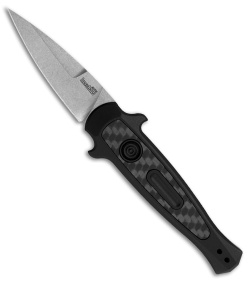 Kershaw Launch 12 Mini Stiletto Automatic Knife (2.5" Stonewash) 7125DiscontinuedMSRP: $194.99Our Price: $134.95
 -
-
4.75
 Kershaw Launch 22 Automatic Knife Green Aluminum/Micarta (3.5" Black SW) 7205MSRP: $284.99Our Price: $174.95
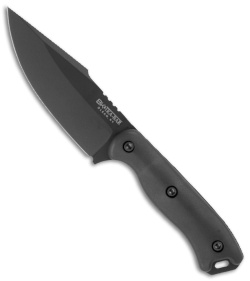
Harpoon
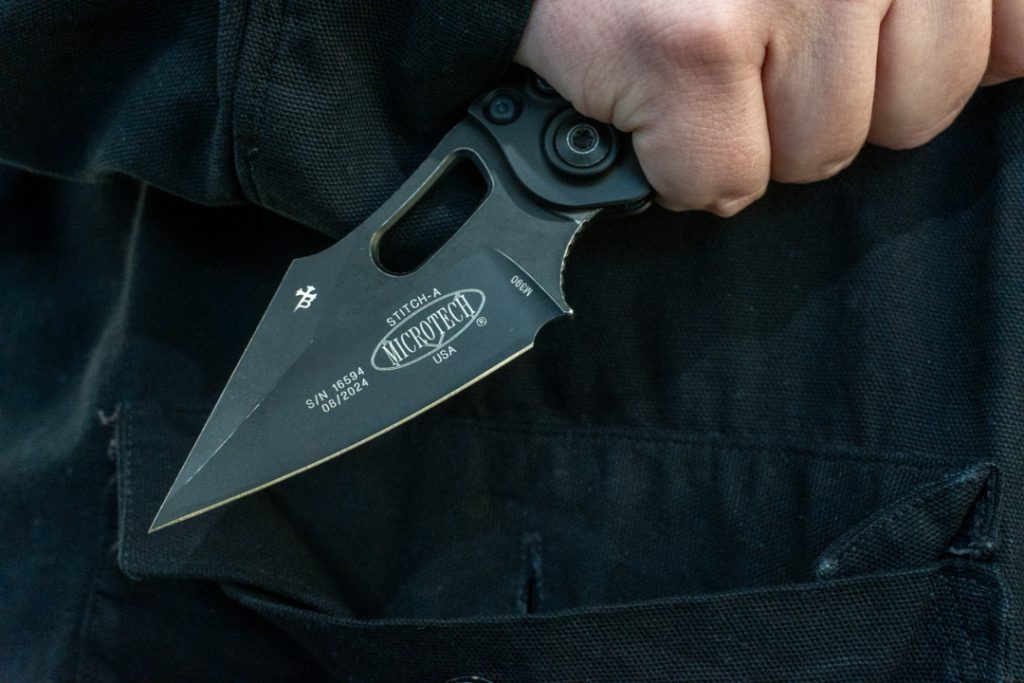
Description: A blade with a hook-esque hump on the spine. Found mostly on fancy EDC knives.
Pros:
- Great tip strength
- Harpoon hump prevents fingers riding up
- Looks super cool
Cons:
- Can get stuck during stabbing cuts
- Moves center of balance toward tip
Shop Harpoon Knives
Carousel
Carousel-
-
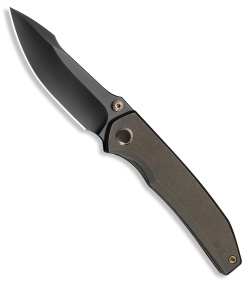 WE Knife Co. Ryson Frame Lock Knife Bronze Titanium (3.3" Polished Gray M390)MSRP: $300.00Our Price: $255.00

Variants
Recurve Blades
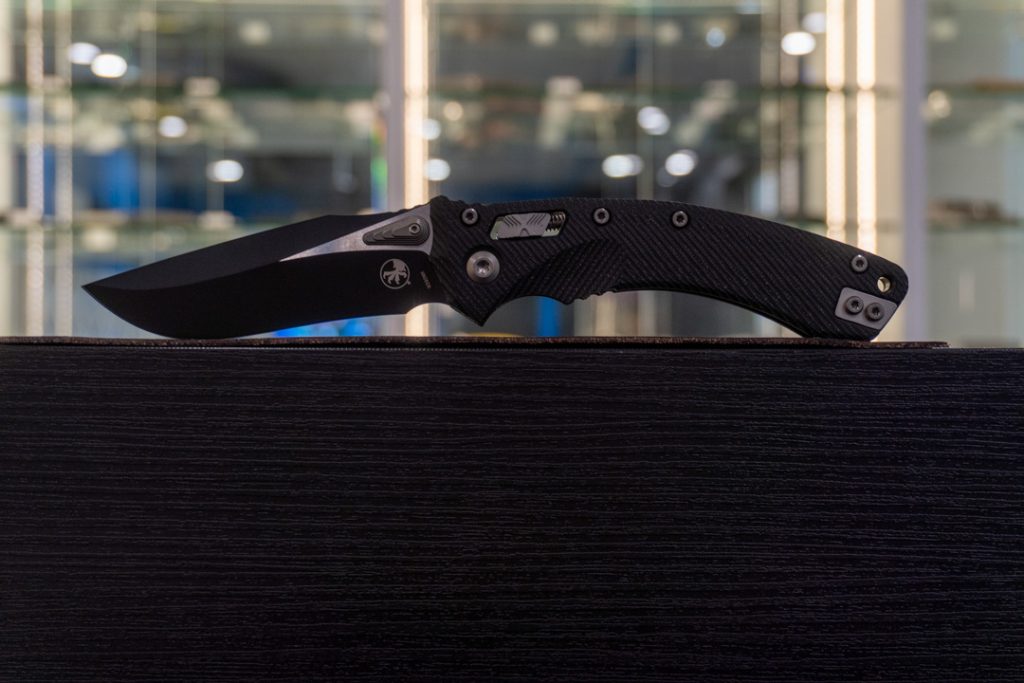
Any blade style with an inward curve in the edge is a recurve. If the curve is really deep, you can get into Kukri territory, but if it’s subtle, it’s just called a recurve. They look cool, and they deepen the belly of the edge for slicing cuts. They also gather material together for efficient push cuts, kind of like a sickle does. They’re great for cutting but can be tricky to sharpen. You see them mostly on hunting knives and artsy custom knives.
Trainer Blades
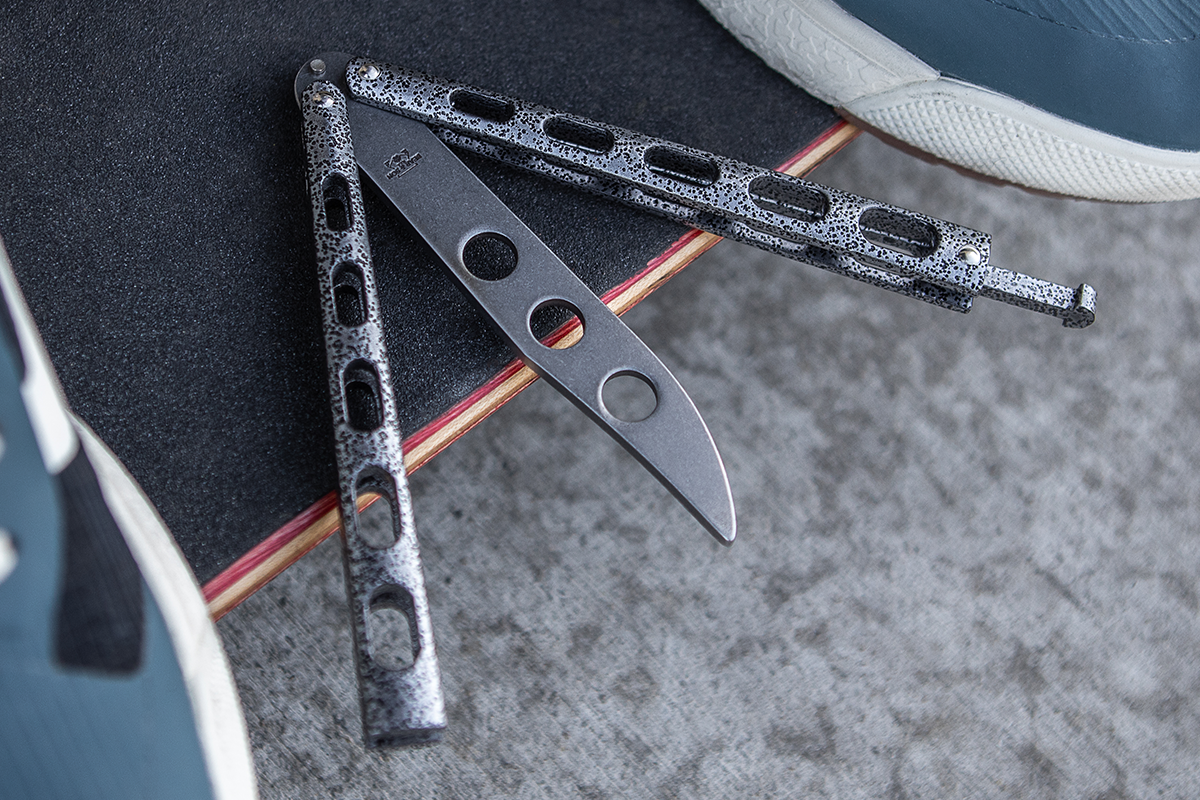
This can look like any blade you see above, but without a grind or an edge. These are for self-defense training. If you plan on carrying a knife to defend yourself, you should also get a similar trainer blade, a good teacher, and lots of practice!
Gut Hook Blades
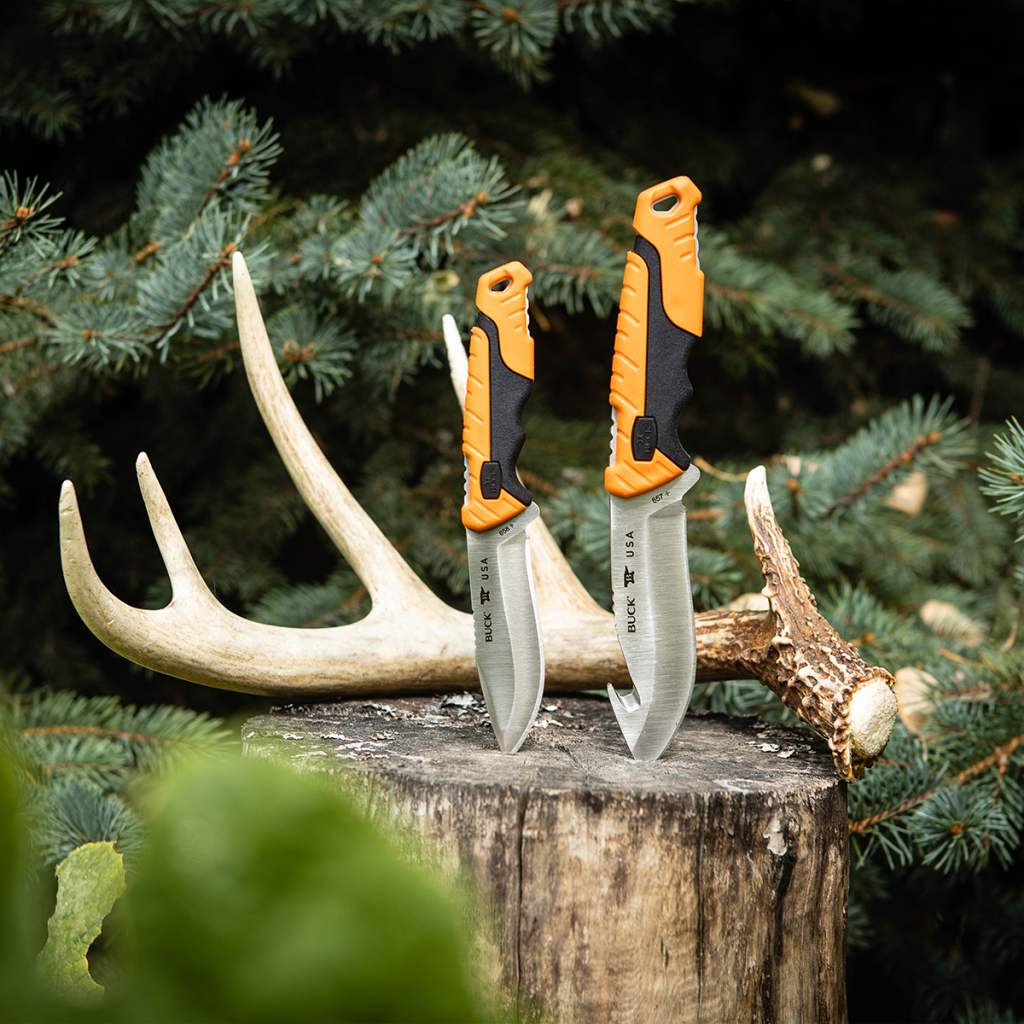
Once again, these can be added to many blade styles. In short, it’s a little hook on the back of the blade with a sharpened interior. These are for cutting open game without piercing anything gross. They don’t have much use beside that, but some hunters swear by them.
Traditional Blade Styles
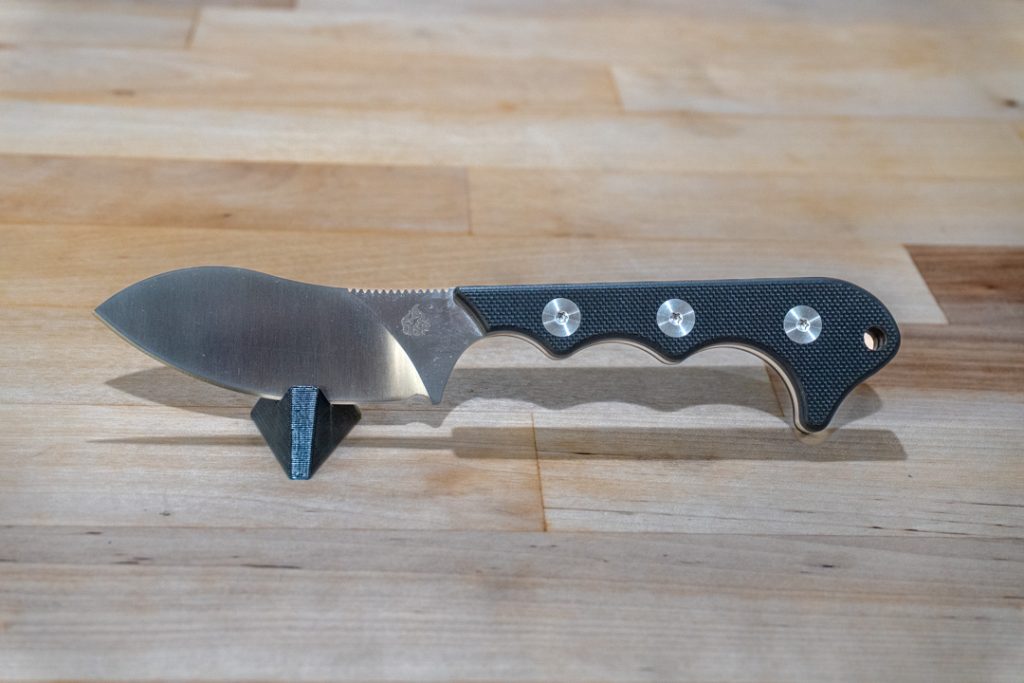
Many blade styles from old-school knives and various disciplines of martial arts have very distinctive designs. Think the Ginunting, Nessmuk, Citrus Peeler, or Coping Blade. Each of these is 100% a valid blade style, and each has a community that appreciates them, but they go beyond the scope of this article.
Which blade style is best?
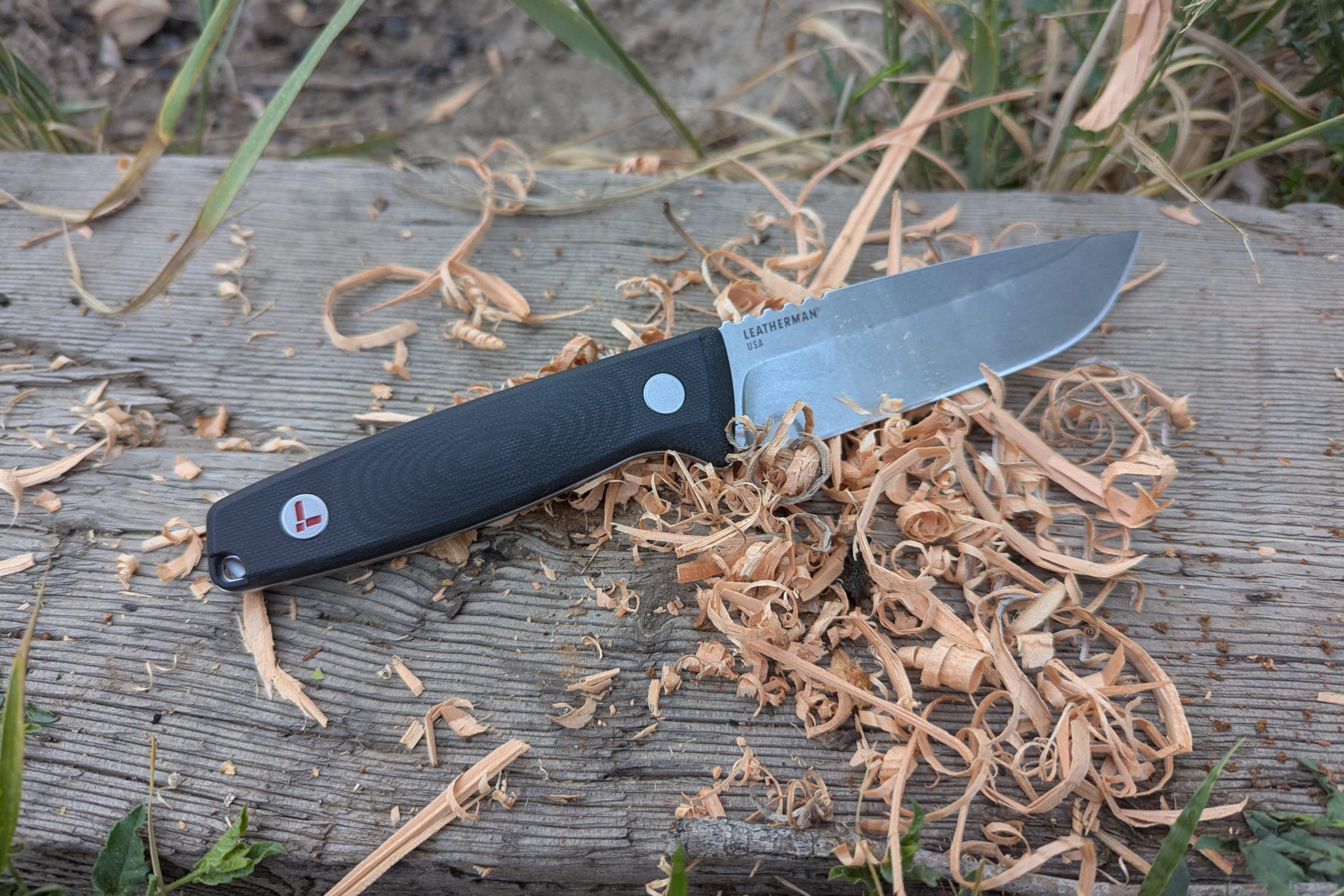
It really depends on you. What cutting jobs do you have? How is your hand trained to hold and use a knife? What sorts of blades look good to you? Factor all of that into your choice of blade style.
And while each blade style has its strengths and weaknesses, with a bit of creativity, most blade styles can do a lot more than what they’re designed for. I’ve see a karambit skin a deer, a sheepsfoot self-defense knife, and a folding cleaver in someone’s pocket. So whatever knife speaks to your needs and your preferences, carry it! A knife is only useless if you don’t carry it!
My personal favorite blade style is the drop point. Judging by the number of drop points on the market, I’m not the only one!


 Copyright © 2026 Blade HQ. All rights reserved