



Crossbar Locks Explained: AXIS Lock, DuraLock, Ram-Lok & More


In this Article
- The History of the Crossbar Lock
- What is a Crossbar Lock and How Does It Work?
- What is the Spyderco Ball Bearing Lock?
- Everyone Should Own a Crossbar Lock Knife
- FAQ
The History of the Crossbar Lock
If you look at the knives available today, you’re bound to notice the diversity of locking mechanisms manufacturers use to keep their folders from closing on your fingers.
Since the invention of the lockback, locking blades have been a staple of folding knives.
But it wasn’t until recently that the envelope was pushed, and new lock types began popping up everywhere.
Bill McHenry, the designer of the iconic Benchmade Infidel OTF knife, and Jason Williams—both custom knifemakers—were at the center of this explosion.
Not long after Michael Walker invented the Linerlock in 1981, they revolutionized the knife industry with an extremely effective, user-friendly design.
Benchmade purchased the rights to use said design in 1988 and gave it its most recognizable name: the AXIS Lock.
AXIS Lock to Crossbar Lock
The first production knife to feature the AXIS Lock was Benchmade’s Model 710. The lock was a hit, and now all of Benchmade’s brand-defining folders, like the Bugout, the 940 Osborne, and the Griptilian, proudly feature it.
When the patent on the AXIS Lock expired in 2016 and the mechanism became mainstream, the knife community coined a generic term for systems like it: crossbar lock.
Before I get into crossbar lock variations, let’s look at how it works and answer the question: "What makes it so spectacular?"
What is a Crossbar Lock and How Does It Work?
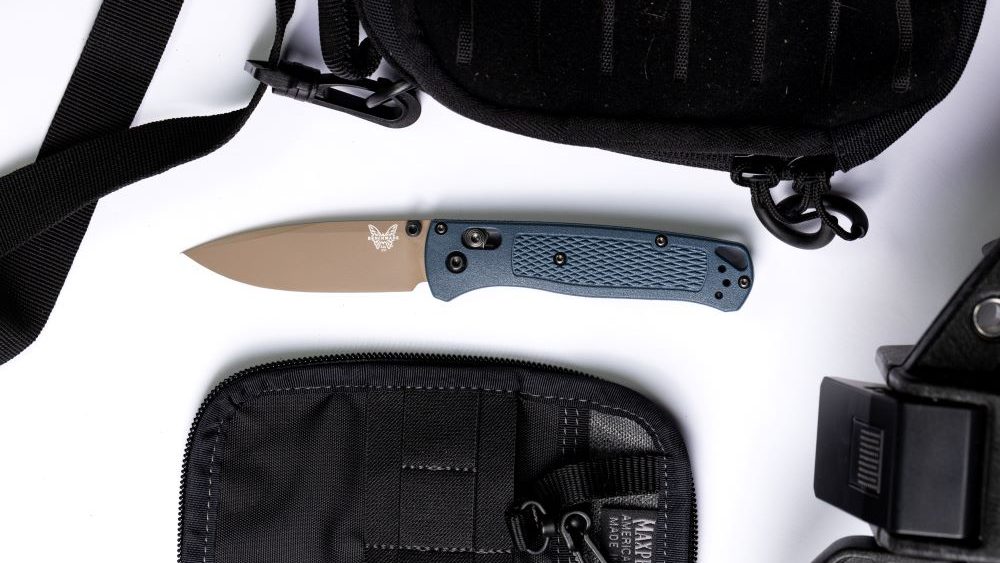
The principle behind a blade lock is simple: Put something in the way of the blade tang so the blade can’t rotate.
A liner lock bends inward to wedge against the tang and secure the blade open, and a lockback holds the tang with a backspring.
McHenry’s and William’s Method
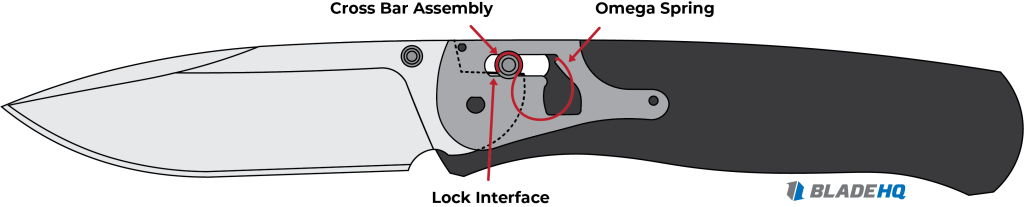
Their method was to wedge a bar between the back of the tang and the handle liners.
Sliding the bar away from the blade removes the obstruction, and the blade can close.
Mix in some spring tension and something to grip with your fingers, and voilà! You have an ambidextrous, one-hand-operated, extremely strong knife lock—that’s what makes the AXIS Lock spectacular.
So spectacular, in fact, that Spyderco engineered a new lock that functions on the same principle.
What is the Spyderco Ball Bearing Lock?
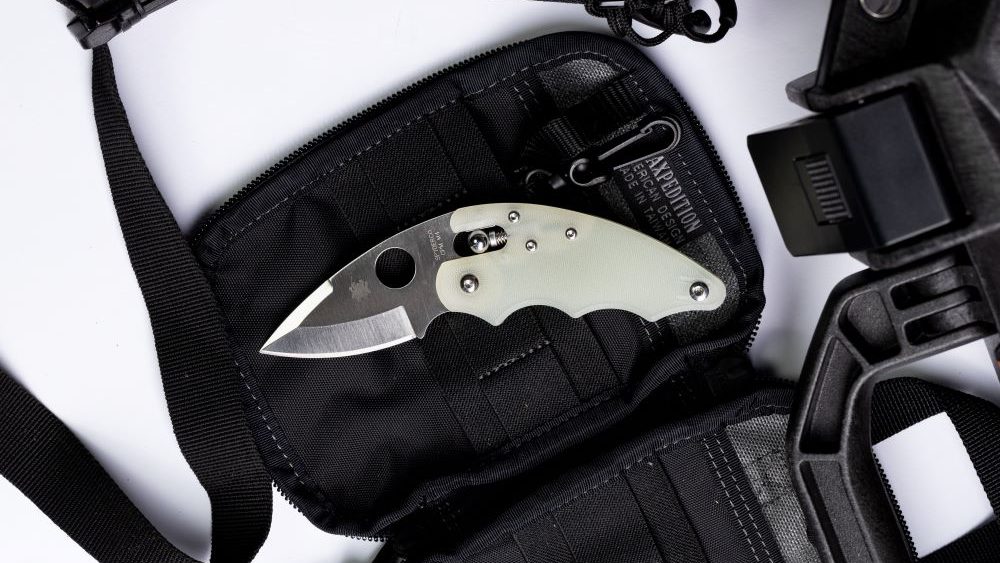
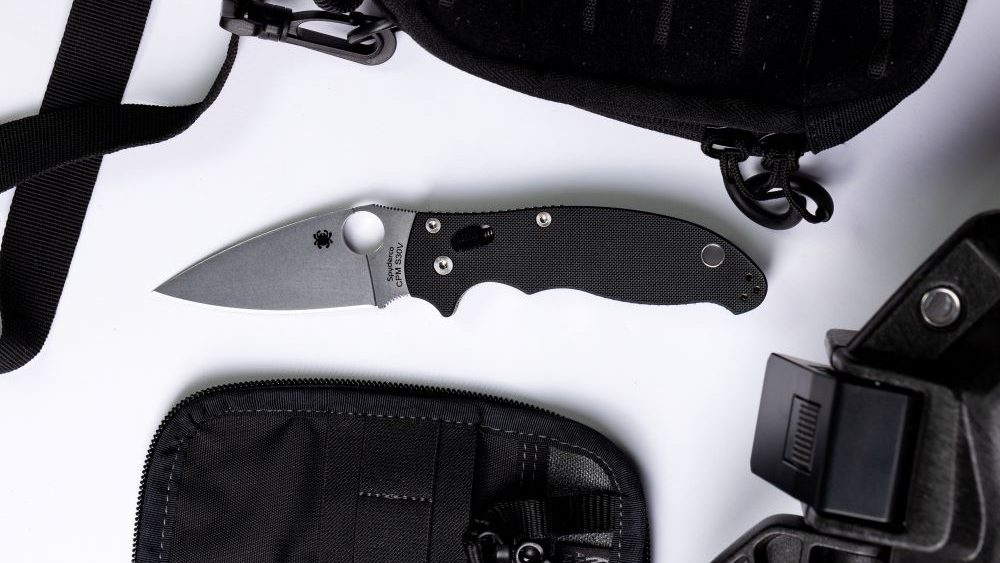
Meet Spyderco’s Ball Bearing Lock. At a glance, it’s nothing like the AXIS Lock—you might even argue that it’s not a crossbar lock.
And you’d probably be right.
But hear me out.
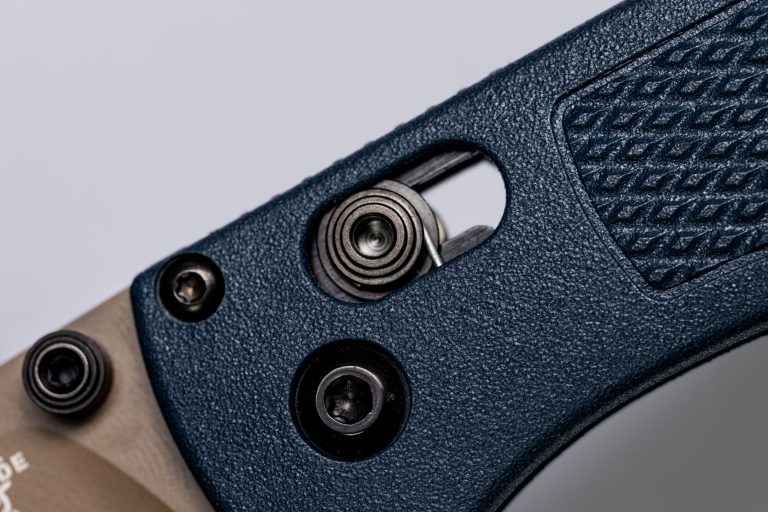
The AXIS Lock uses a pair of omega springs to wedge a metal bar between the blade tang and the handle liners.
The spring provides a detent to keep the knife closed in your pocket and automatically engages the lock when the blade is fully opened.
In principle, the Ball Bearing Lock is the same: a spring pushes a ball bearing up between the blade tang and the handle, functionally achieving the same thing.
The biggest difference between the two locks is their ease of construction and (more relevant to most of you) ease of use: There’s no easy way to disengage the original Ball Bearing Lock.
But Spyderco has since refined the system. You’ll usually see it as it appears on the Manix 2, where the ball has been shrunk down and housed in a plastic cage with grippy finger pads.
Shop Ball Bearing Lock Knives
Carousel
Carousel-
4.75
-
-
4.75
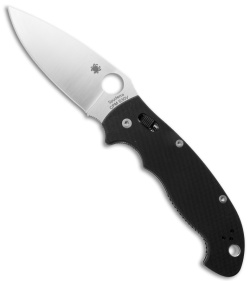 Spyderco Manix 2 XL Ball Bearing Lock Knife G-10 (3.88" Satin) C95GP2MSRP: $290.00Our Price: $217.50
 -
4.75
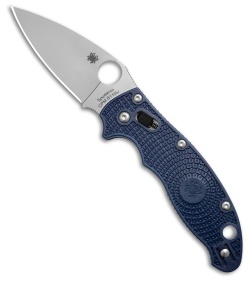 Spyderco Manix 2 S110V Knife Dark Blue FRCP (3.37" Satin) C101PDBL2MSRP: $251.00Our Price: $188.25
The AXIS Lock Patent Expired—And All Crossbar Locks Broke Loose!
Other locks, like SOG’s Arc Lock on the X-Ray Vision knife, employed technology similar to the AXIS Lock, but it wasn’t until 2016, when the patent on the AXIS Lock expired, that the crossbar lock really exploded in popularity.
Companies raced to make their own version, naming the mechanism something new and changing little things.
All the names and brands can get confusing, so I’ll break down the most popular.
Note that more companies are making new crossbar lock knives all the time, but these are the current main ones:
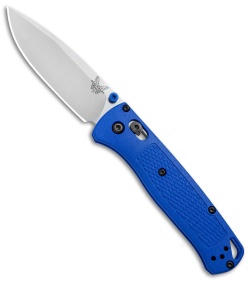
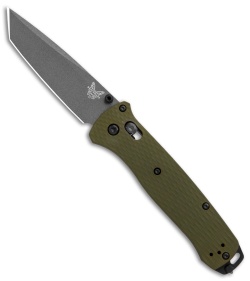
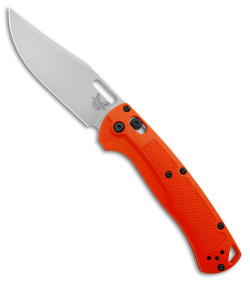
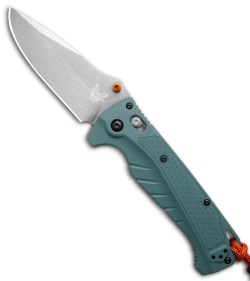
Benchmade AXIS Lock
The AXIS Lock was the original. It’s a simple bar with two round, stepped grip pads connected to omega springs.
Shop AXIS Lock Knives
Carousel
Carousel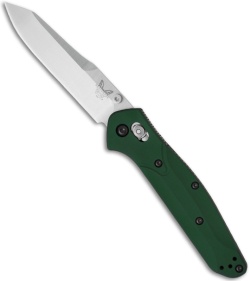
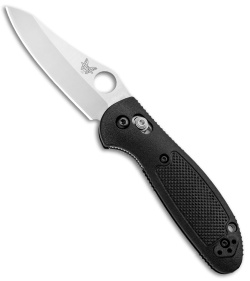
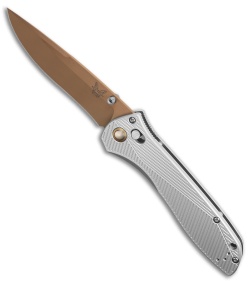
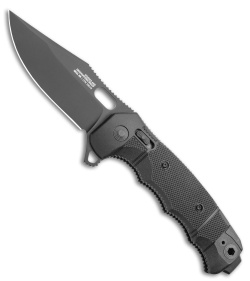
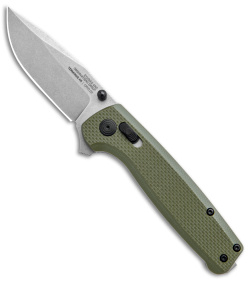
SOG XR Lock
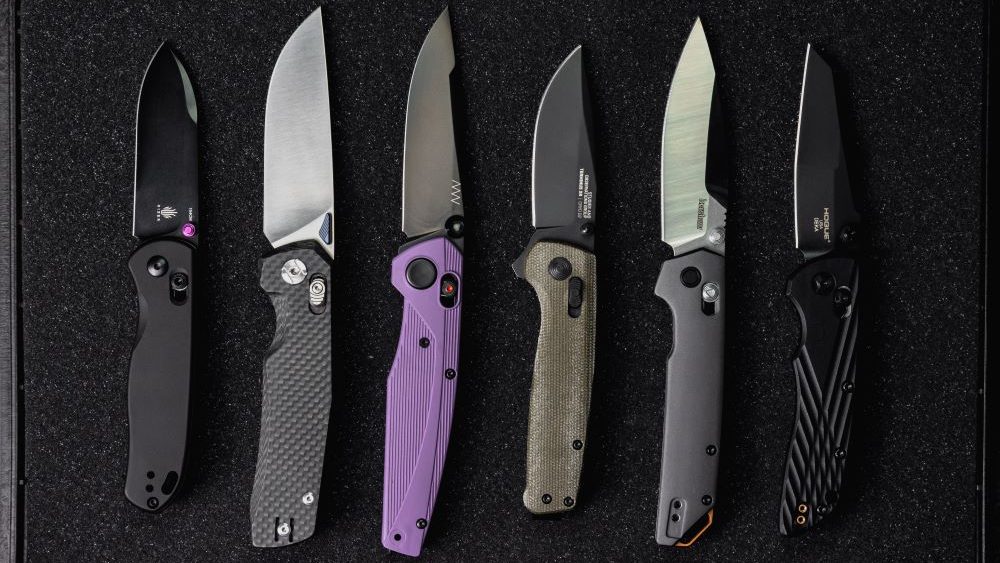
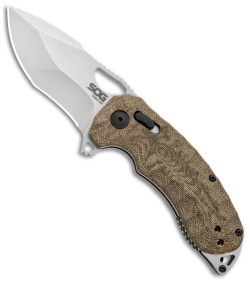
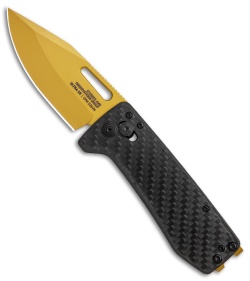
The XR Lock often uses polymer grip pads with stair jimping and often covers up the gaps.
Shop XR Lock Knives
Carousel
Carousel-
4.75
-
4.25
-
3.5
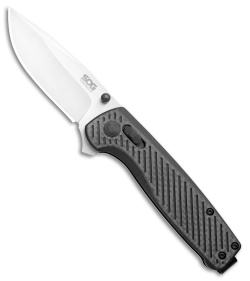 SOG Terminus XR Lock Knife Black G-10/Carbon Fiber (3" Satin S35VN) TM1025-BXMSRP: $110.95Our Price: $99.95
 -
-
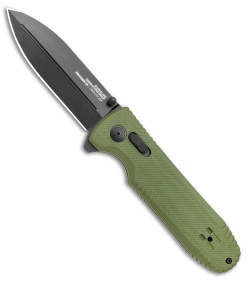
Hogue ABLE Lock
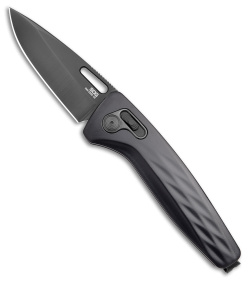
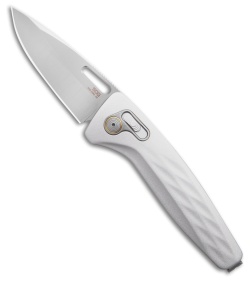
This ABLE Lock has a more aggressively jimped tri-step design for the grip pads.
Shop ABLE Lock Knives
Carousel
Carousel-
4.25
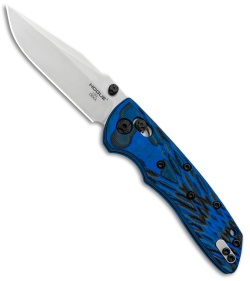 Hogue Knives Deka Clip Point Pocket Knife Blue Lava G-Mascus (3.25" SW 20CV)MSRP: $209.95Our Price: $188.96
 -
5
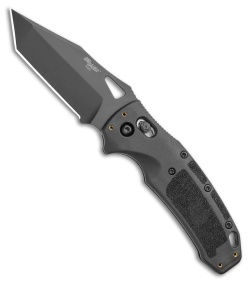 Hogue Sig K320 Nitron ABLE Lock Folder Knife Black Polymer Tanto (3.5 Black)MSRP: $199.95Our Price: $179.96
 -
4
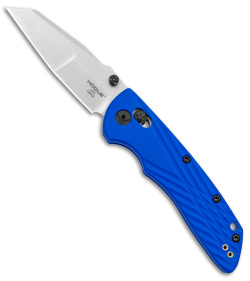 Hogue Knives Deka MagnaCut Wharncliffe Knife Blue Polymer (3.25" Stonewash)MSRP: $174.95Our Price: $157.46
 -
4.25
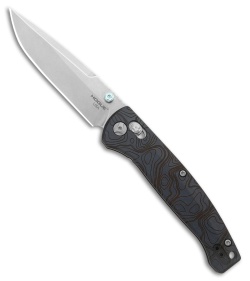
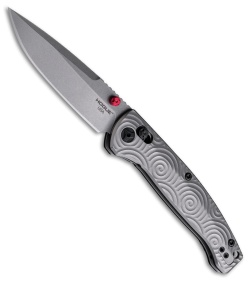
Kizer Clutch Lock
The Clutch Lock features holes in the liners that let you adjust the tension of the omega springs.
Shop Clutch Lock Knives
Carousel
Carousel-
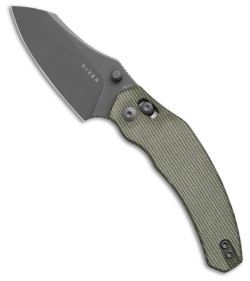 Kizer Bulldog Clutch Lock Knife Green Micarta (3" Black Nitro-V) V3672A3MSRP: $77.75Our Price: $65.75
 -
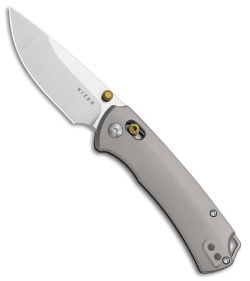
-
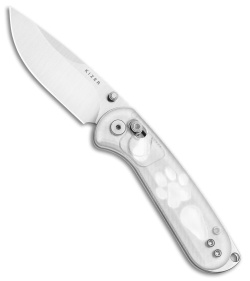 Kizer Buddy II Clutch Lock Knife White/Clear Acrylic (3" Satin AEB-L)MSRP: $82.31Our Price: $69.96
 -
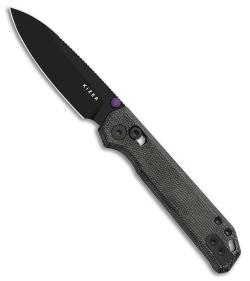 Kizer Cutlery Begleiter 2.9 Clutch Lock Knife Black Norplex Micarta (3" Black)MSRP: $82.31Our Price: $69.96
 -
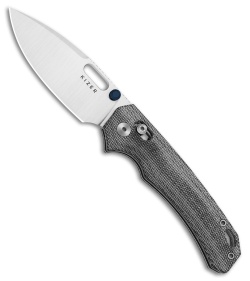 Kizer Outposter Crossbar Lock Knife BLK Norplex UltreX Micarta (3.3" Satin)MSRP: $82.31Our Price: $69.96
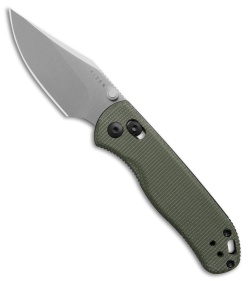
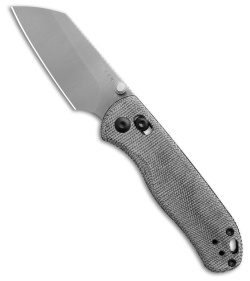
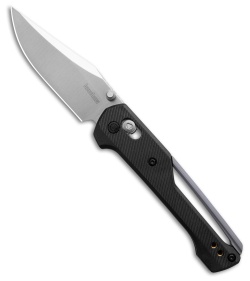
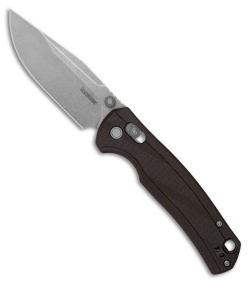
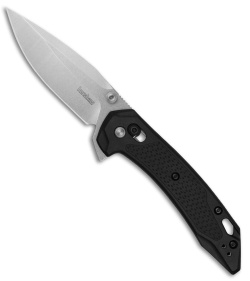
Kershaw/ZT DuraLock
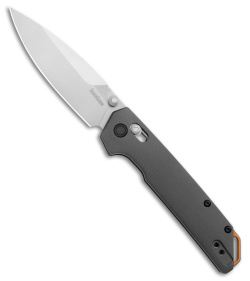
The DuraLock a rounded triangle milled in the finger grips.
Shop DuraLock Knives
Carousel
Carousel-
4.5
-
4.75
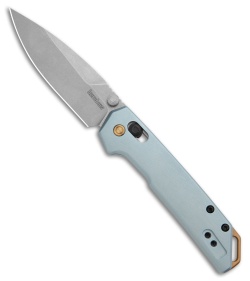 Kershaw Mini Iridium DuraLock Knife Ice Blue Anodized Aluminum (3" Stonewash)MSRP: $94.99Our Price: $64.95
 -
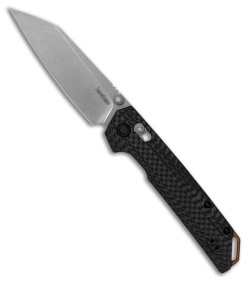 Kershaw Iridium Reverse Tanto DuraLock Knife Carbon Fiber (3.5" SW M390)MSRP: $299.99Our Price: $170.95
 -
5
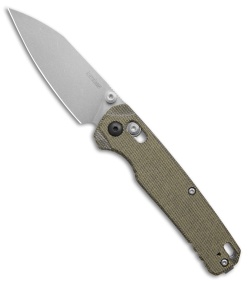 Kershaw Bel Air MagnaCut DuraLock Knife Olive Micarta (3.1" Stonewash)MSRP: $249.99Our Price: $159.95
 -
-
5
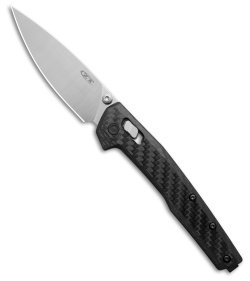 Zero Tolerance 0117 DuraLock Knife Carbon Fiber (3.3" SW/Satin MagnaCut)MSRP: $300.00Our Price: $240.00
 -
Other Crossbar Locks
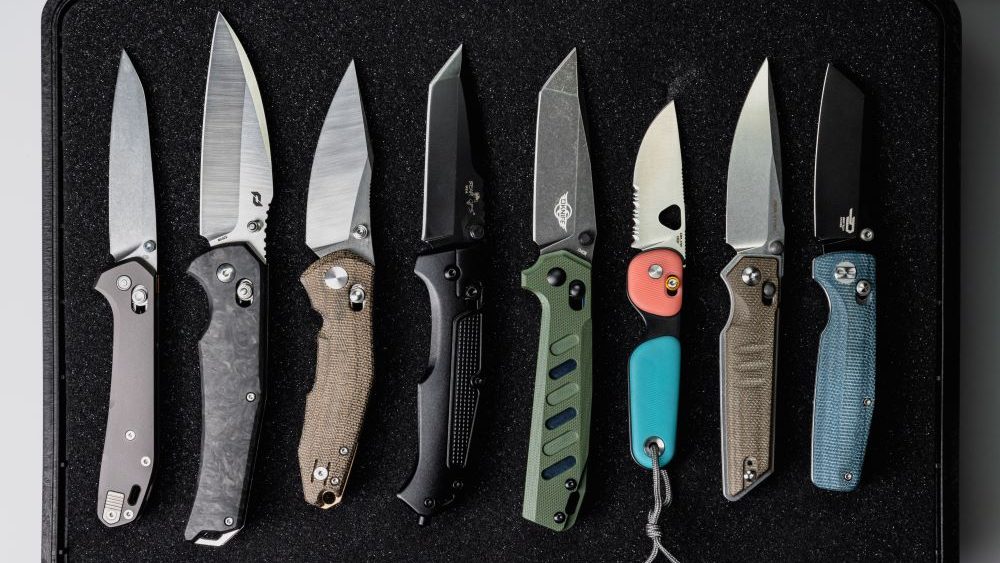
Other companies also use the Crossbar Lock but decided on a more generic name like Slide Lock, Pivot Lock, or Bar Lock. Here are a few that use one of those names:
- Gerber
- Schrade
- Bestech
- Giant Mouse
- Bear Ops
- Real Steel
- Oknife
- The James Brand
- Tuya Knife
- TB Outdoor
- And many others…
Continued Innovation
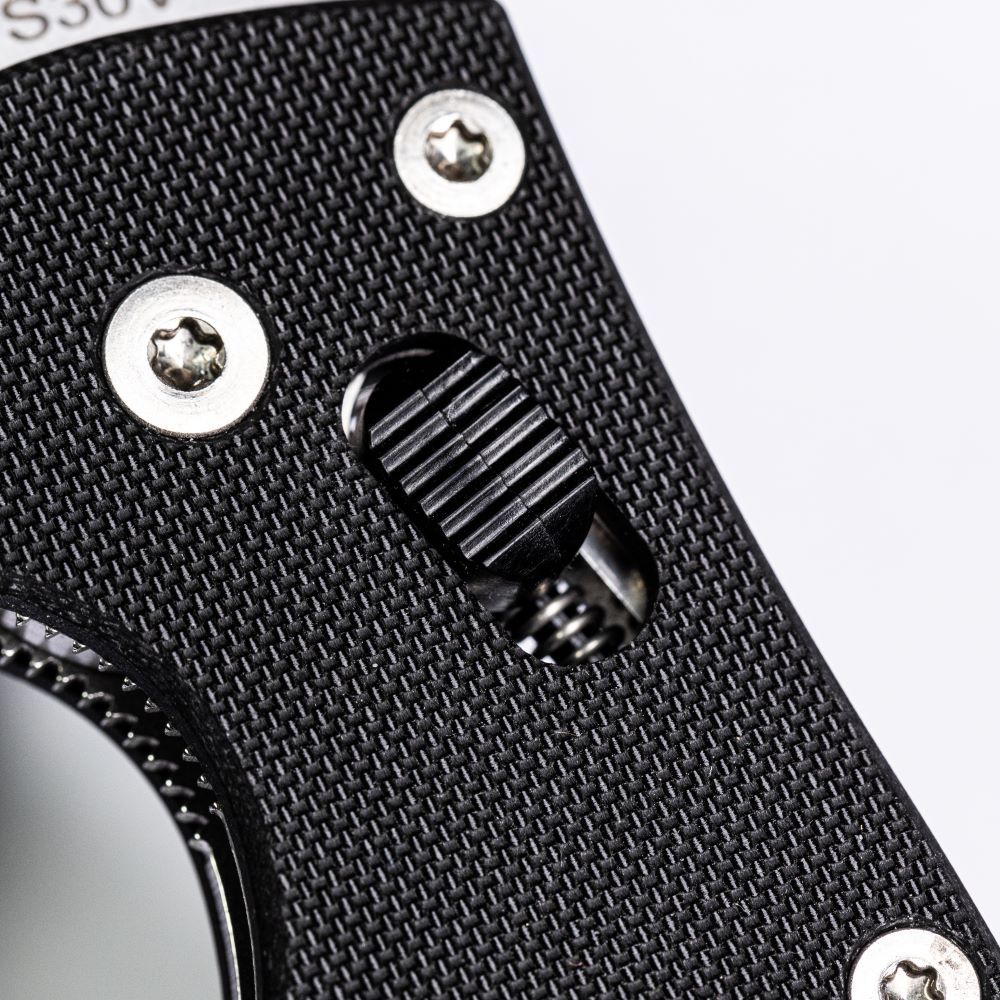
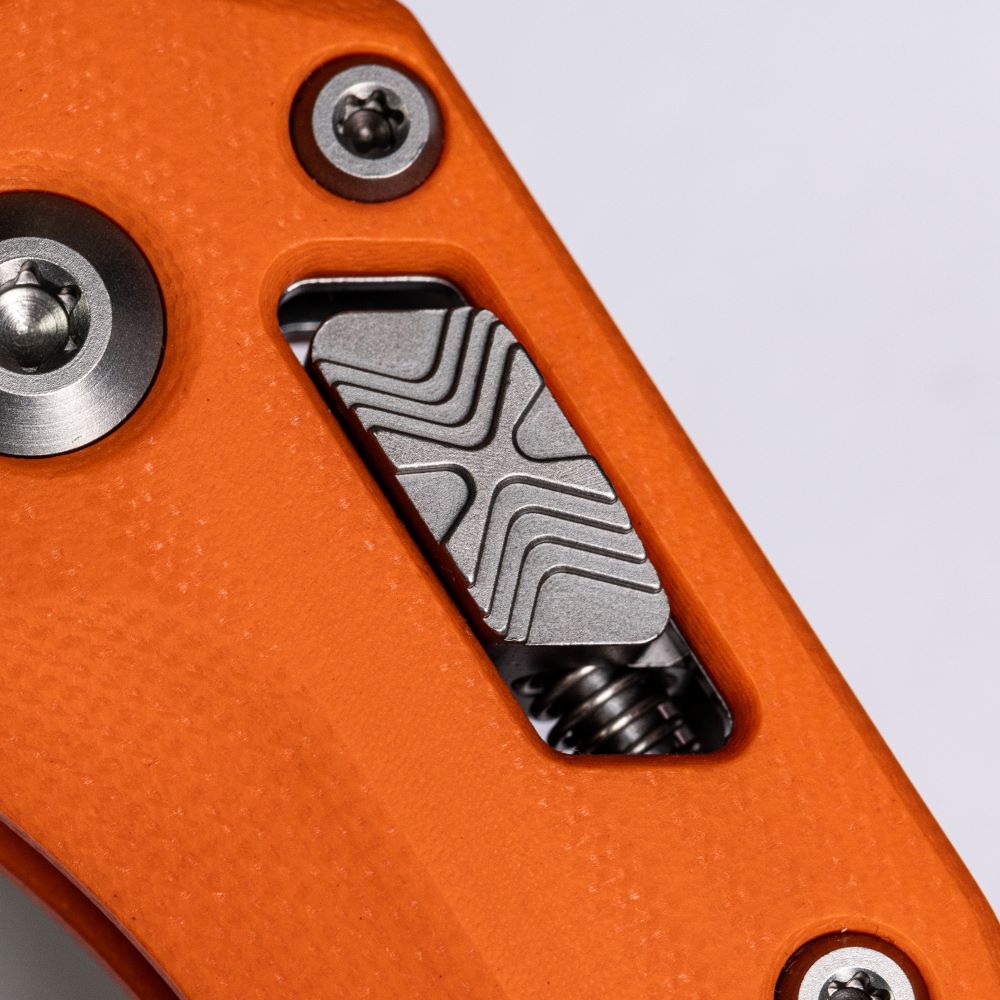
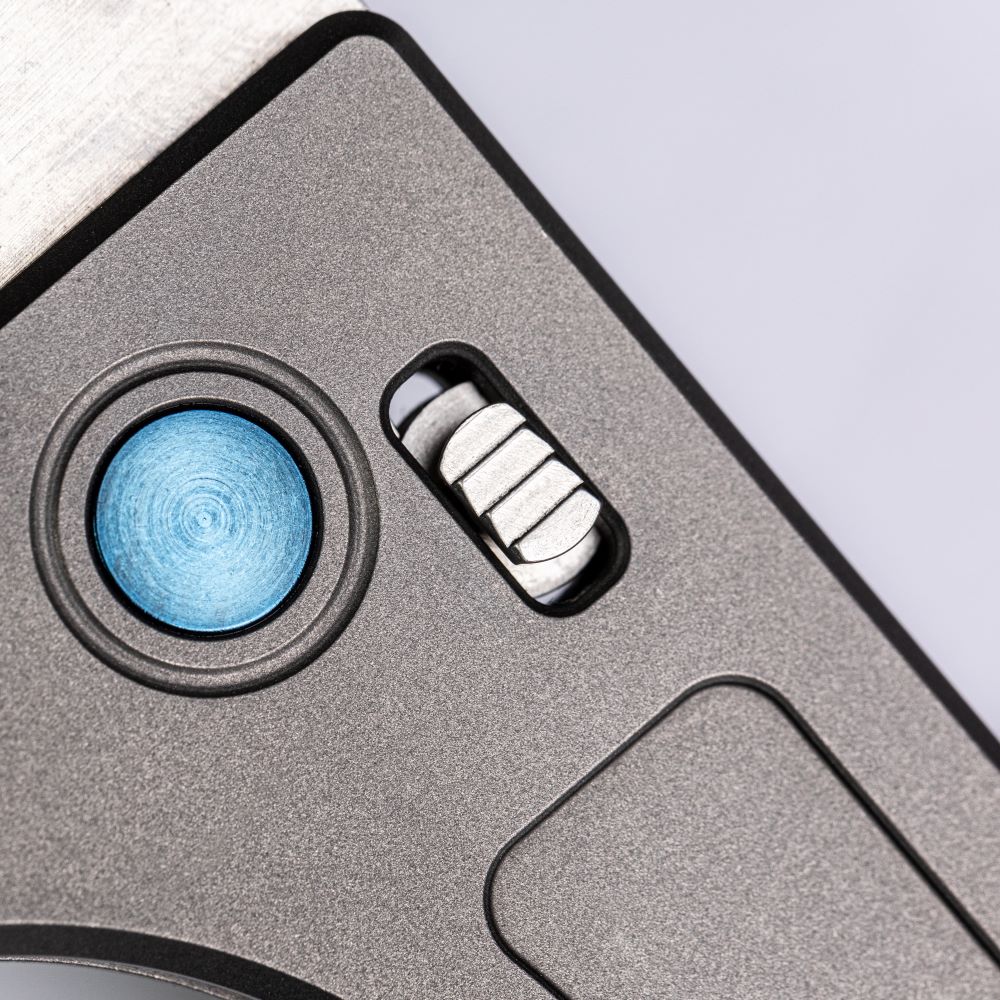
Without a doubt, all the locks listed in the above section are crossbar locks.
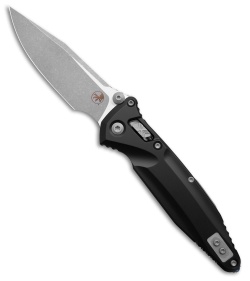
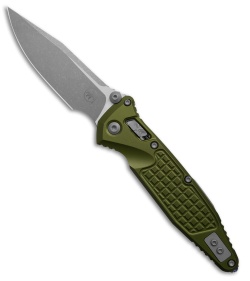
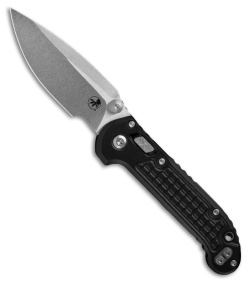
Some locks that are with a doubt also crossbar locks are Spyderco’s Ball Bearing Lock and a newcomer: the Ram-Lok by Microtech.
These two locks share two main differences that set them apart from the pack: they use coil springs instead of omega springs and have differently shaped "crossbars."
The omega springs on a crossbar lock are the most common fail points, which is why Microteach used a coil spring instead. Even some modern Benchmade knives, like the Narrows and the Bugout Vapyr, use a new torsion spring to improve the mechanism.
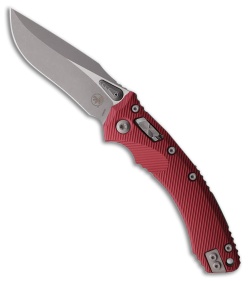
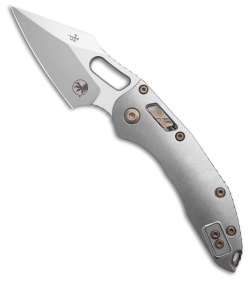
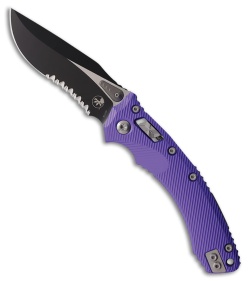
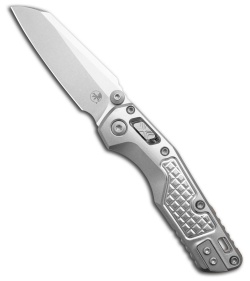
Microtech Ram-Lok
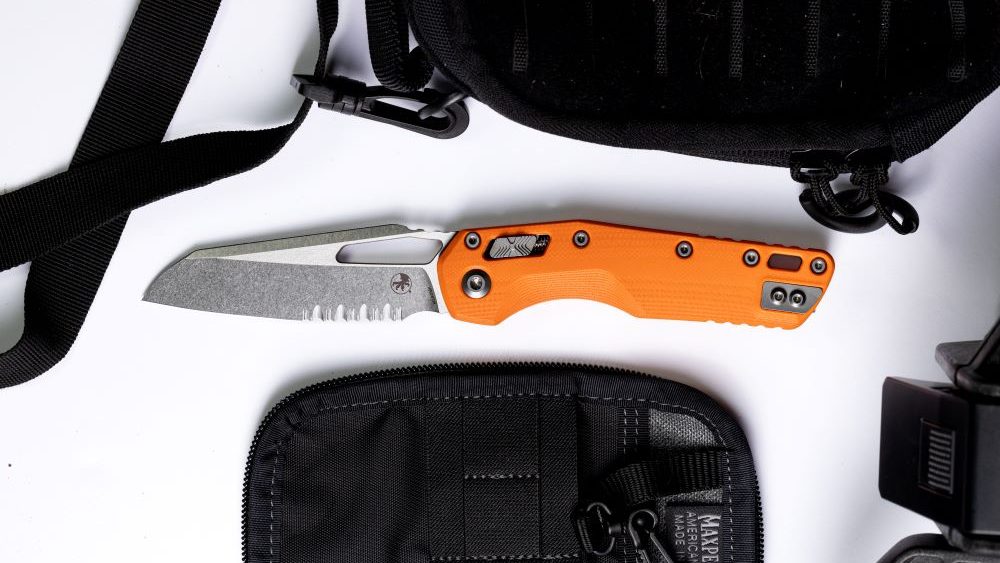
The Ram-Lok is more robust with a square lockbar and Microtech’s iconic X-Button grip pads. It’s also more robust than other crossbar-style locks, offering maximum strength.
Shop Ram-Lok Knives!
Carousel
Carousel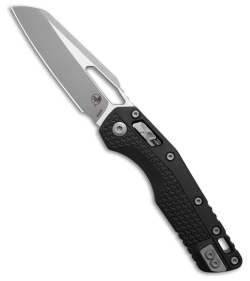
Everyone Should Own a Crossbar Lock Knife
With so many different names, it’s no wonder the knife community banded together and lumped all these locks under one name: crossbar lock.
Bill McHenry and Jason Williams couldn’t have known the impact of what they were about to create when they sat down to design this hugely popular system.
You have them to thank, along with Benchmade, for your favorite crossbar lock knife.
You’ll be hard-pressed to find another pocket knife lock that’s as strong while offering the same level of safety and accessibility. If you’ve never owned a crossbar lock knife, take it from me that’s something you want to change.
And when you do, you might find yourself inclined to join the rest of us in singing its praises.
FAQ
Are crossbar locks strong/safe?
Yes. Crossbar locks are among the strongest and safest types of pocket knife locks.
Is a crossbar lock stronger than a liner lock?
Yes. In most cases, a crossbar lock is less likely to fail than a liner lock. Keep in mind, however, that a high-quality liner lock can be safer/stronger than a poorly-made crossbar lock.
What’s the difference between an AXIS Lock and a crossbar lock?
The Benchmade AXIS Lock is a crossbar lock. The term "crossbar lock" is a generic term for the type of lock the AXIS Lock is.
Can a crossbar lock fail?
Yes. All knife locks can fail; however, a well-made crossbar lock won’t fail during normal use. Truth be told, most lock types are far stronger than you’re likely to ever need them to be, including crossbar locks.
Do crossbar locks wear out over time?
Yes, but the AXIS Lock—and, by extension, many of the crossbar lock variants it inspired—was designed to last through natural wear: There’s room within the mechanism to naturally accommodate a moderate amount of wear without affecting the blade lockup.


 Copyright © 2026 Blade HQ. All rights reserved